

In the high-stakes world of decentralized finance, privacy and compliance have always been at odds. But Concordium is rewriting the rules with its unique Layer-1 blockchain, fusing built-in identity verification and zero-knowledge proofs (ZKPs) to deliver a platform where privacy meets accountability. At a time when regulators are tightening their grip on DeFi, Concordium’s protocol-level integration of KYC and AML features is a tactical advantage for enterprises and developers building compliant solutions without sacrificing user privacy.
Concordium’s Built-in ID: Privacy at the Protocol Level
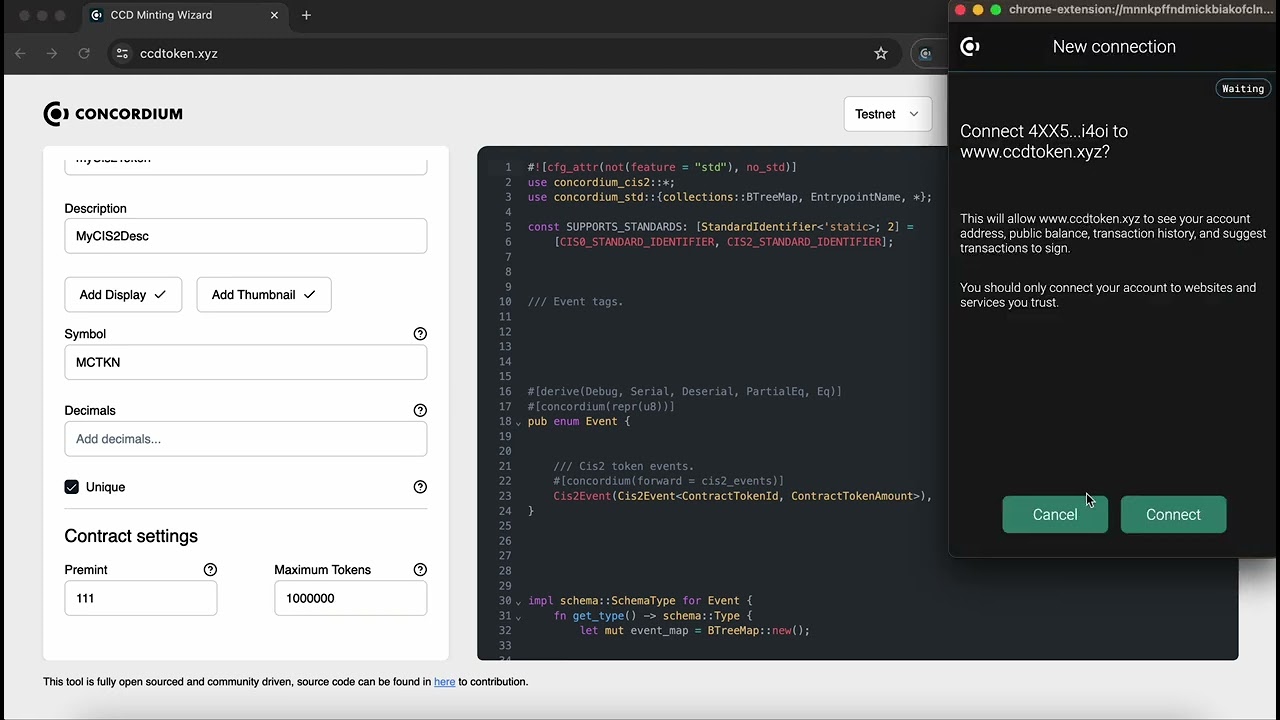
Unlike most blockchains that treat identity as an afterthought or bolt-on solution, Concordium bakes identity verification right into its core protocol. Every user must verify their real-world identity through trusted providers before creating an on-chain account. This isn’t just about ticking regulatory boxes - it’s about enabling trust in digital interactions while keeping users in control of their information.
The magic happens after onboarding: once verified, users transact on-chain pseudonymously. Their sensitive details stay shielded from public view, but they can still prove required attributes (like age or nationality) to dApps or regulators using ZKPs. This architecture is a game-changer for regulated DeFi - it means you can build apps that meet global compliance standards without leaking confidential data.
Zero-Knowledge Proofs: The Cryptographic Backbone for Regulated DeFi
Zero-knowledge proofs are the secret weapon in Concordium’s arsenal. They let users prove facts about themselves - like being over 18 or residing in a certain country - without revealing any extra personal info. For example, a user could access an age-restricted dApp by proving they’re old enough, but their exact birthdate stays private.
This approach directly addresses one of DeFi’s biggest headaches: how to enforce KYC/AML requirements without undermining the ethos of privacy and self-sovereignty. With ZKPs built into the stack, Concordium offers privacy-preserving compliance that sets it apart from both legacy blockchains and privacy coins like Monero or Zcash, which lack native ID layers or regulatory readiness.
6-Month Price Comparison: Privacy & Compliance Cryptocurrencies
Real-time price performance of Concordium (CCD) vs. leading privacy coins and major cryptocurrencies, highlighting privacy vs. compliance approaches in blockchain.
| Asset | Current Price | 6 Months Ago | Price Change |
|---|---|---|---|
| Concordium (CCD) | $0.0167 | $0.0153 | +9.0% |
| Monero (XMR) | $309.75 | $250.00 | +23.9% |
| Zcash (ZEC) | $239.19 | $200.00 | +19.6% |
| Bitcoin (BTC) | $112,992.00 | $60,000.00 | +88.3% |
| Ethereum (ETH) | $4,122.23 | $3,000.00 | +37.4% |
| Dash (DASH) | $46.03 | $40.00 | +15.1% |
| Secret Network (SCRT) | $0.1898 | $0.1500 | +26.5% |
| Beam (BEAM) | $0.0385 | $0.0350 | +9.9% |
Analysis Summary
Over the past six months, all featured cryptocurrencies have experienced positive price growth, reflecting a broader market recovery. While Concordium (CCD) saw a modest gain of +9.0%, privacy-focused coins like Monero (XMR) and Zcash (ZEC) outperformed with +23.9% and +19.6% respectively. Major assets like Bitcoin (BTC) and Ethereum (ETH) posted even stronger gains, with Bitcoin leading at +88.3%.
Key Insights
- Concordium (CCD) delivered positive but moderate growth (+9.0%) compared to other privacy coins and the broader market.
- Monero (XMR) and Zcash (ZEC) outperformed CCD, reflecting strong demand for privacy-focused assets.
- Secret Network (SCRT) and Dash (DASH) also outpaced CCD in 6-month growth.
- Bitcoin (BTC) and Ethereum (ETH) led the market with significant gains, indicating robust investor confidence in major assets.
- CCD's unique position lies in its compliance-ready privacy features, distinguishing it from other privacy coins that focus solely on anonymity.
All prices and percentage changes are sourced directly from the real-time market data provided, comparing each asset's current price to its price exactly six months ago. No estimates or external data were used.
Data Sources:
- Main Asset: https://www.coingecko.com/en/coins/concordium/historical_data
- Monero: https://www.coingecko.com/en/coins/monero/historical_data
- Zcash: https://www.coingecko.com/en/coins/zcash/historical_data
- Bitcoin: https://www.coingecko.com/en/coins/bitcoin/historical_data
- Ethereum: https://www.coingecko.com/en/coins/ethereum/historical_data
- Dash: https://www.coingecko.com/en/coins/dash/historical_data
- Secret Network: https://www.coingecko.com/en/coins/secret/historical_data
- Beam: https://www.coingecko.com/en/coins/beam/historical_data
Disclaimer: Cryptocurrency prices are highly volatile and subject to market fluctuations. The data presented is for informational purposes only and should not be considered as investment advice. Always do your own research before making investment decisions.
Geofencing and Attribute Verification Without Data Leaks
The applications go way beyond simple KYC. Concordium’s protocol-level ID layer enables advanced features like geofencing and attribute-based access control using ZKPs. Imagine launching a dApp that restricts participation to users from specific jurisdictions or only allows cross-border trades if both parties meet regulatory criteria - all without ever exposing who those users are.
This unlocks new frontiers for enterprise-grade DeFi, tokenized assets, and global fintech platforms seeking compliance-ready blockchain infrastructure. The result? A modular blockchain ecosystem where developers can innovate freely while enterprises sleep soundly knowing they’re covered on the regulatory front.
Concordium (CCD) Price Prediction 2026-2031
Professional Outlook Based on Market Trends, Technology, and Regulatory Developments (Baseline: $0.0167 as of October 2025)
| Year | Minimum Price (Bearish) | Average Price (Base Case) | Maximum Price (Bullish) | % Change (Avg. vs. 2025) | Market Scenario Insights |
|---|---|---|---|---|---|
| 2026 | $0.012 | $0.018 | $0.032 | +7.8% | Post-regulatory adjustments and slow DeFi adoption; potential for recovery if privacy DeFi demand grows |
| 2027 | $0.015 | $0.023 | $0.045 | +37.7% | Improved integration with DeFi platforms; increased regulation could boost demand for compliant solutions |
| 2028 | $0.019 | $0.030 | $0.060 | +79.6% | Expansion of regulated DeFi and cross-border compliance; ZKP tech gains wider acceptance |
| 2029 | $0.024 | $0.038 | $0.080 | +127.5% | Mainstream adoption of privacy-preserving ID; competition intensifies, but Concordium maintains niche |
| 2030 | $0.030 | $0.049 | $0.110 | +193.4% | Potential for large-scale institutional use; regulatory clarity in major markets supports growth |
| 2031 | $0.038 | $0.062 | $0.145 | +271.3% | If Concordium becomes standard for regulated DeFi, price could surge; risks remain from tech shifts and new entrants |
Price Prediction Summary
Concordium (CCD) is projected to see steady growth over the next six years, driven by increasing demand for privacy-compliant blockchain solutions in regulated DeFi markets. The price outlook is cautiously optimistic, with significant upside if Concordium's zero-knowledge proofs and built-in identity features become industry standards. However, competition, regulatory uncertainty, and overall crypto market cycles will play crucial roles in shaping CCD's trajectory.
Key Factors Affecting Concordium Price
- Adoption of regulated DeFi platforms leveraging Concordium's ID and ZKP technology
- Global regulatory developments affecting privacy and KYC/AML standards
- Technological advancements in zero-knowledge proofs and blockchain scalability
- Competition from other privacy-focused or compliance-ready blockchains
- Overall crypto market sentiment and macroeconomic cycles
- Institutional participation and partnerships with major dApps or financial institutions
Disclaimer: Cryptocurrency price predictions are speculative and based on current market analysis. Actual prices may vary significantly due to market volatility, regulatory changes, and other factors. Always do your own research before making investment decisions.
CCD Price Snapshot: $0.0167 Defines Today’s Market Context
The current price of Concordium (CCD) stands at $0.0167, reflecting both market volatility and growing interest in regulation-ready blockchain solutions (24h range: $0.0152-$0.0185). As institutional demand for compliant DeFi ramps up, Concordium’s unique value proposition puts it firmly on the radar of forward-thinking investors and builders alike.
With privacy and compliance locked in at the protocol layer, Concordium’s architecture is tailor-made for the next wave of institutional DeFi. Enterprises can finally deploy permissionless financial products that satisfy global regulatory frameworks, while users retain control over their personal data. This is a sharp contrast to legacy blockchains, where compliance is often retrofitted through third-party solutions or cumbersome manual processes.

What’s especially tactical is how Concordium lets dApps request only the minimum information needed for any interaction. For example, a lending protocol can confirm a user meets jurisdictional requirements or passes an age check, without ever seeing the underlying sensitive data. The real-world impact? Reduced risk of data breaches, streamlined onboarding, and frictionless user experiences that don’t sacrifice security or privacy.
Enterprise-Grade Compliance: Why Regulated DeFi Needs Protocol-Level Privacy
As regulators worldwide scrutinize DeFi with increasing intensity, projects lacking robust identity frameworks are facing mounting challenges. Concordium’s protocol-level ID and ZKP integration is not just a technical feat, it’s a strategic moat for enterprises seeking to launch compliant DeFi products at scale. Whether it’s tokenized securities, compliant stablecoins, or cross-border remittance platforms, Concordium delivers the infrastructure to meet stringent AML and KYC standards without exposing user identities.
Top Benefits of Building Regulated DeFi on Concordium
- Protocol-Level Identity Verification: Concordium integrates real-world ID checks directly into its blockchain, ensuring every user is verified before transacting—crucial for KYC and AML compliance.
- Privacy-Preserving Zero-Knowledge Proofs (ZKPs): Developers can leverage ZKPs to prove user attributes (like age or nationality) without exposing personal data, balancing regulatory needs with user privacy.

- Regulation-Ready Geofencing: Built-in geofencing lets dApps restrict access based on verified user locations, enabling seamless cross-border compliance without compromising privacy.
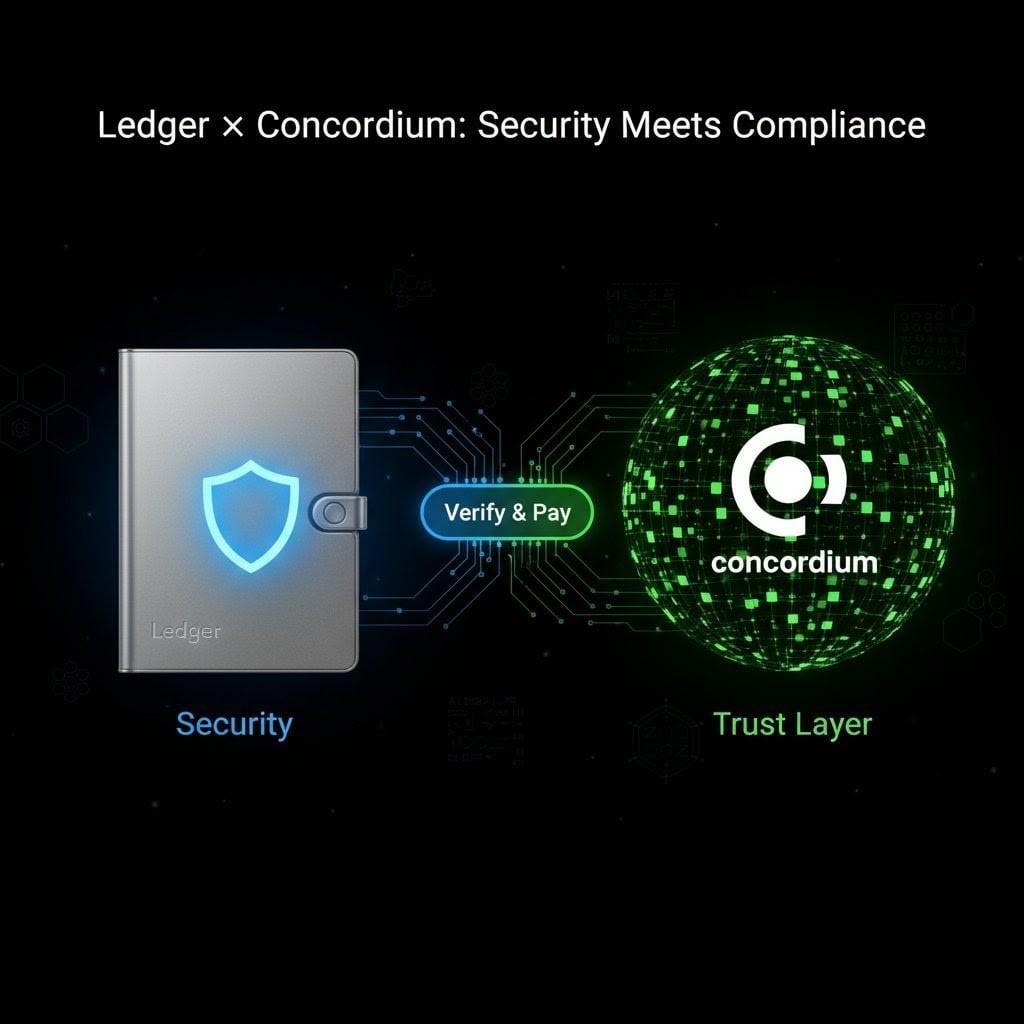
- Compliance Without Compromising User Experience: Users enjoy frictionless onboarding and privacy-first interactions, while projects meet global regulatory standards—no trade-off required.
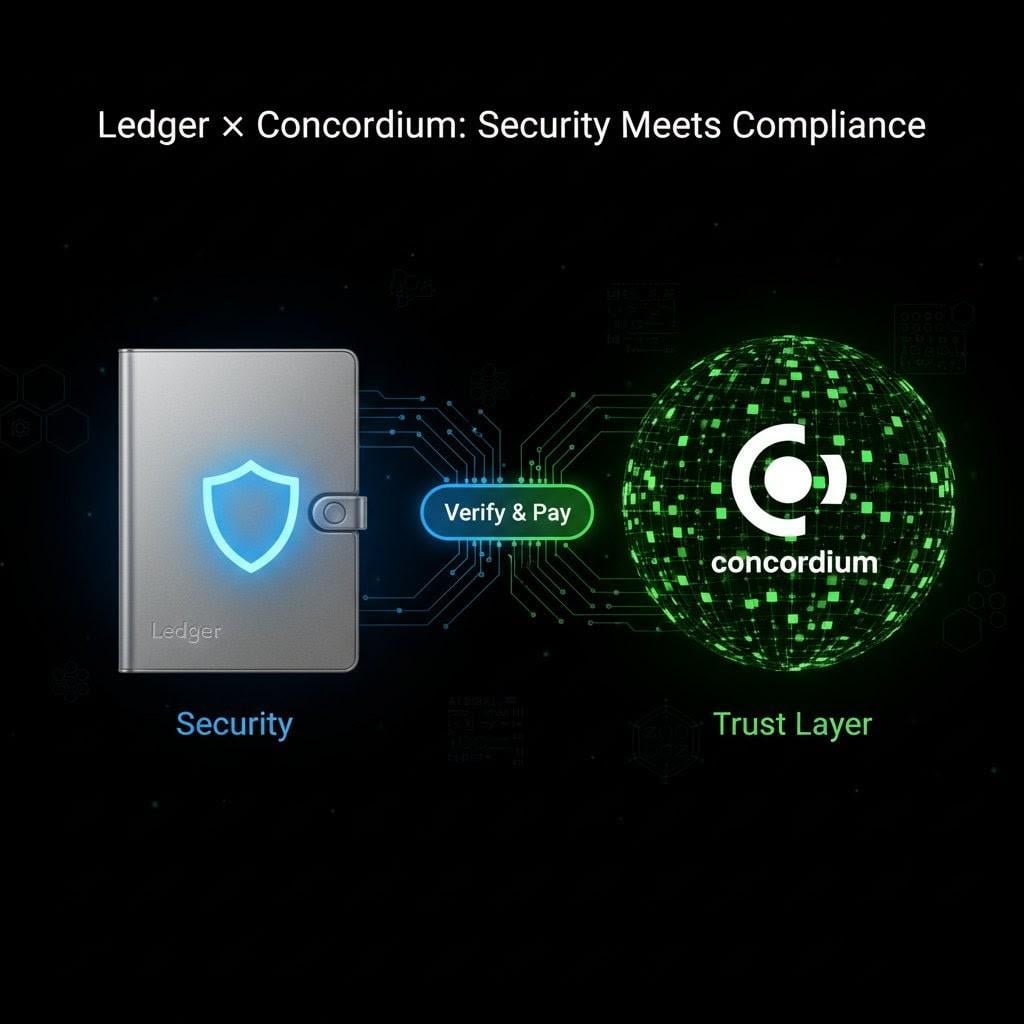
- Secure, Transparent Transactions with CCD: Concordium's native CCD token ($0.0167 as of now) powers secure, traceable transactions, supporting accountability and regulatory reporting.

This isn’t theoretical, real-world deployments are already leveraging Concordium’s capabilities to unlock new markets and use cases. From geofenced token launches to privacy-first age verification for gaming platforms, builders are using these features to deliver solutions that were previously impossible in public blockchains.
How Does Concordium Stack Up?CCD vs Monero and Zcash
Privacy coins like Monero and Zcash have long championed on-chain anonymity, but they lack built-in mechanisms for accountable identity verification. Concordium stands apart by making privacy compatible with regulatory obligations. It’s not about choosing between privacy or compliance, it’s about having both by design.
The market seems to be catching on: with CCD trading at $0.0167, volatility remains high but so does developer momentum around regulation-ready blockchains. As global crypto policies evolve, expect demand for compliant infrastructure like Concordium to intensify.
The Future of Modular DeFi: Privacy With Accountability as Standard
The modular rollup era demands infrastructure that can scale while meeting real-world legal requirements. By embedding identity and zero-knowledge proofs into its foundation, Concordium provides a tactical blueprint for building scalable, compliant dApps without compromise.
If you’re serious about regulated DeFi, and want privacy without giving up accountability, Concordium is setting the new standard.




No comments yet. Be the first to share your thoughts!