

In the fast-evolving world of modular blockchains, native USDC on Celestia rollups stands out as a game-changer for developers building scalable DeFi applications. Celestia's data availability layer already empowers rollups to operate with unprecedented efficiency, but liquidity has long been the missing piece. Enter Noble, whose integration brings true native USDC issuance directly to this ecosystem, eliminating the risks and frictions of bridged assets. This move isn't just technical; it's a liquidity revolution that lets lean teams launch sovereign rollups with stablecoin access baked in from day one.
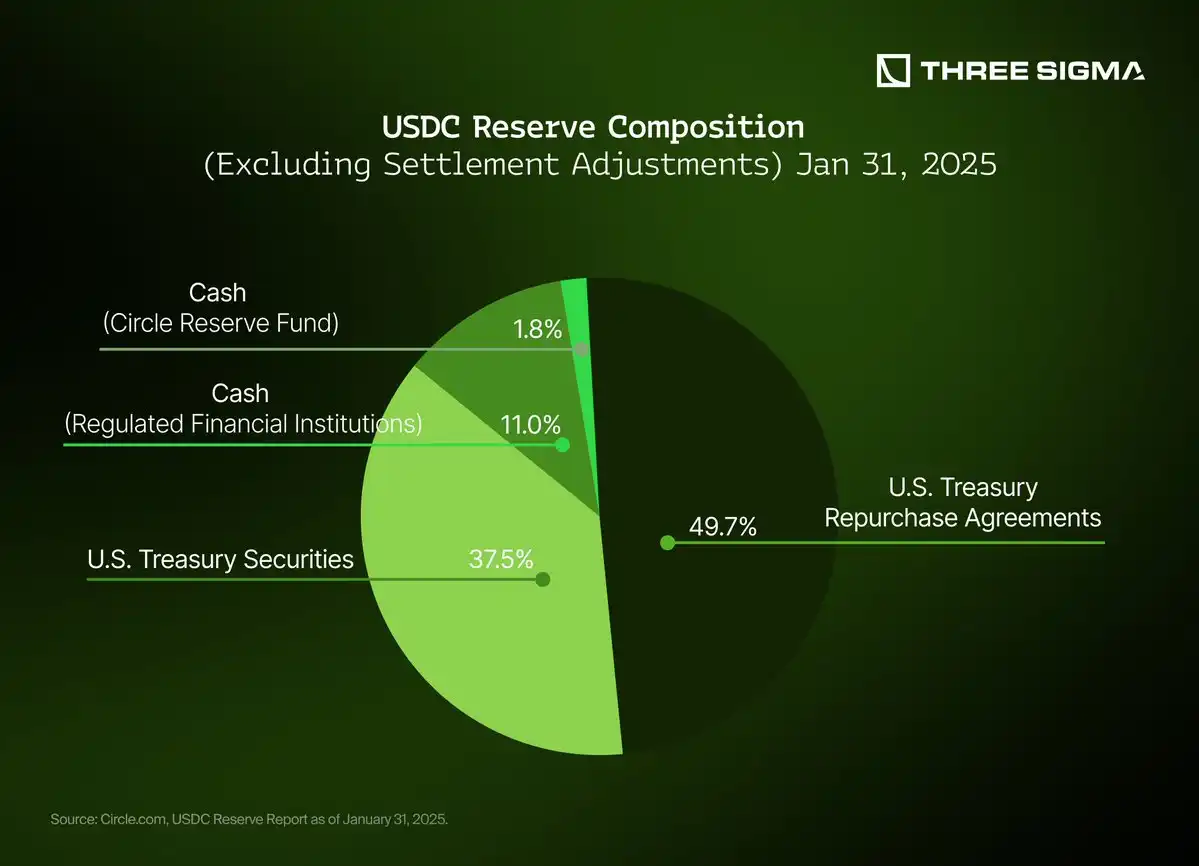
Traditional bridged USDC often suffers from depegging events or high gas costs, but Noble's approach changes that. By issuing USDC natively within the Cosmos ecosystem and extending it to Celestia, developers gain access to Circle-backed stablecoins without surrendering control. Imagine deploying a Celestia rollup liquidity pool where USDC flows seamlessly, backed by tens of billions in processed transfers since Noble's 2023 launch. This foundation supports everything from DeFi protocols to gaming dApps, making Celestia modular blockchain USDC a reality.
Noble's Vision: Sovereignty Meets Deep Liquidity
Noble, led by CEO Jelena Djuric, has positioned itself as the go-to platform for asset issuance in Cosmos. Their decision to service Celestia rollups with native USDC Celestia rollups addresses a core pain point: developers trading sovereignty for liquidity. Why bridge when you can issue natively? Noble's infrastructure has already powered over 50 applications, handling massive stablecoin volumes including USDC and USDY. Now, with Celestia's modular stack, this scales further.
The excitement around this integration stems from real-world needs. Rollups launching at breakneck speed demand 'out-of-the-box' stability, as one developer noted on X. Noble's native issuance ensures USDC remains pegged and composable across chains, fostering trust in sovereign rollups USDC environments.
Unpacking Noble AppLayer: Stablecoins Optimized for Celestia
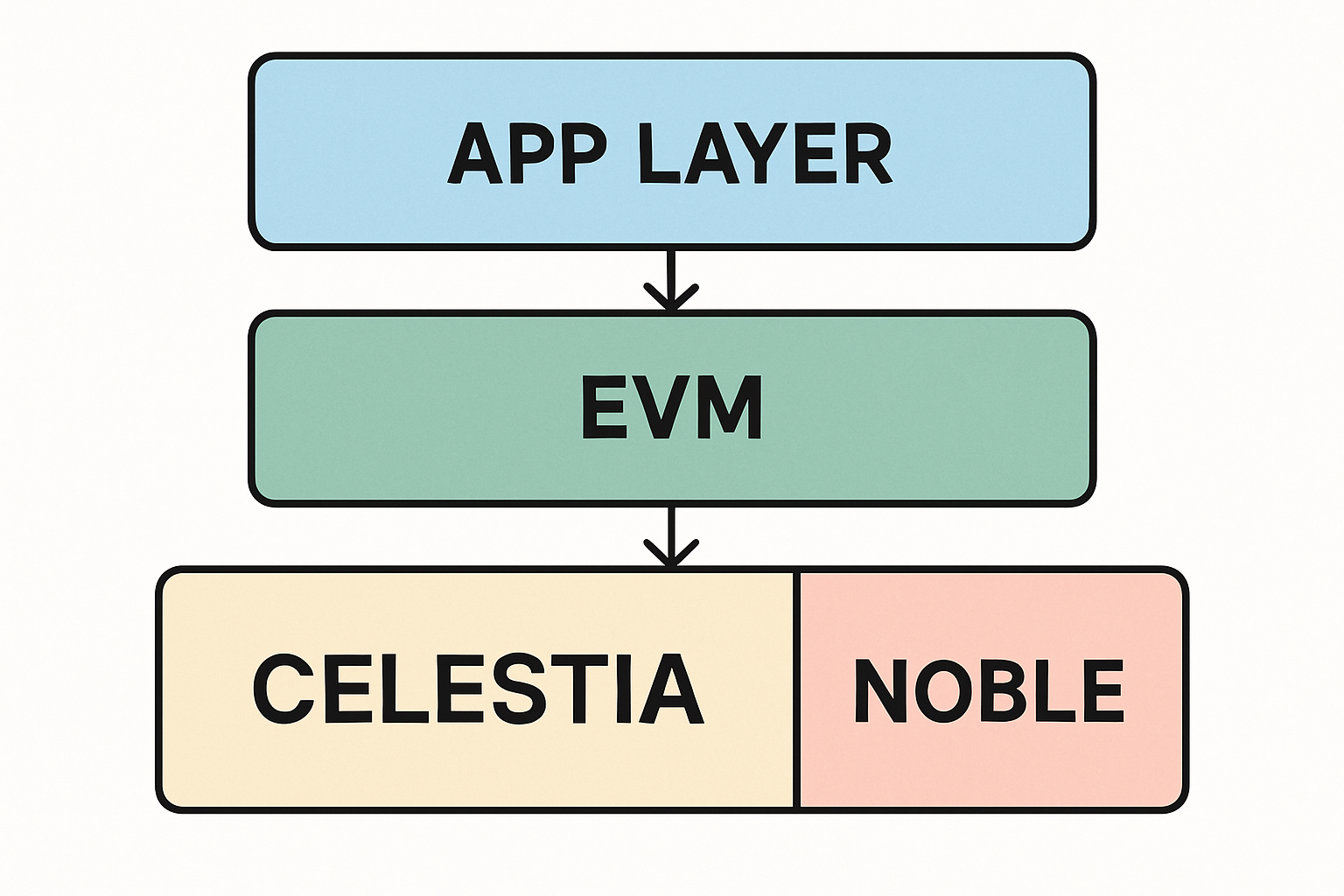
April 2025 marked a milestone with Noble's AppLayer announcement: a permissionless EVM rollup stacked on Celestia. This isn't your average layer-2; it's tailored for stablecoin-native apps, slashing storage costs via Celestia's data availability while boosting throughput. Developers can now build financial tools for real-world assets, integrating with Ethereum DeFi heavyweights by Q3 2025.
What sets AppLayer apart is its focus on UX. Paired with Circle's APIs, accessing USDC on Noble becomes effortless for Cosmos and Celestia users. This Noble Celestia integration creates an ecosystem where stablecoins aren't an afterthought but the core infrastructure. Gaming platforms like Cumulo Pro, with their liquidity engines, stand to benefit immensely, blending smart contracts and incentives seamlessly.
Native USDC on Celestia Rollups Price Prediction 2026-2031
Stability projections maintaining $1 peg amid Noble integration, liquidity growth, and interoperability advancements
| Year | Minimum Price | Average Price | Maximum Price | YoY % Change (Avg from 2025) |
|---|---|---|---|---|
| 2026 | $0.98 | $1.00 | $1.03 | +0.00% |
| 2027 | $0.985 | $1.00 | $1.025 | +0.00% |
| 2028 | $0.99 | $1.00 | $1.02 | +0.00% |
| 2029 | $0.992 | $1.00 | $1.018 | +0.00% |
| 2030 | $0.995 | $1.00 | $1.015 | +0.00% |
| 2031 | $0.997 | $1.00 | $1.012 | +0.00% |
Price Prediction Summary
Native USDC is forecasted to robustly maintain its $1.00 peg through 2031, with narrowing deviation ranges (±3% in 2026 to ±0.3% in 2031) driven by deepened liquidity on Celestia rollups, Noble's AppLayer, and interoperability tools like ZK-IBC and Nexus. Bearish scenarios reflect potential market-wide depegging risks, while bullish cases account for demand premiums during crypto bull cycles.
Key Factors Affecting USD Coin Price
- Noble AppLayer and Celestia integration boosting native USDC issuance and scalability
- Union Labs ZK-IBC and Hyperlane Nexus enhancing cross-rollup liquidity and reducing fragmentation
- Celestia's Lazybridging minimizing bridging risks and volatility seen in bridged USDC ($0.0236 on Fantom)
- Growing DeFi adoption on modular rollups increasing stablecoin demand
- Regulatory progress favoring compliant stablecoins like USDC
- Crypto market cycles influencing temporary discounts (bear) or premiums (bull)
Disclaimer: Cryptocurrency price predictions are speculative and based on current market analysis. Actual prices may vary significantly due to market volatility, regulatory changes, and other factors. Always do your own research before making investment decisions.
Interoperability: The Glue for Celestia Rollup Liquidity
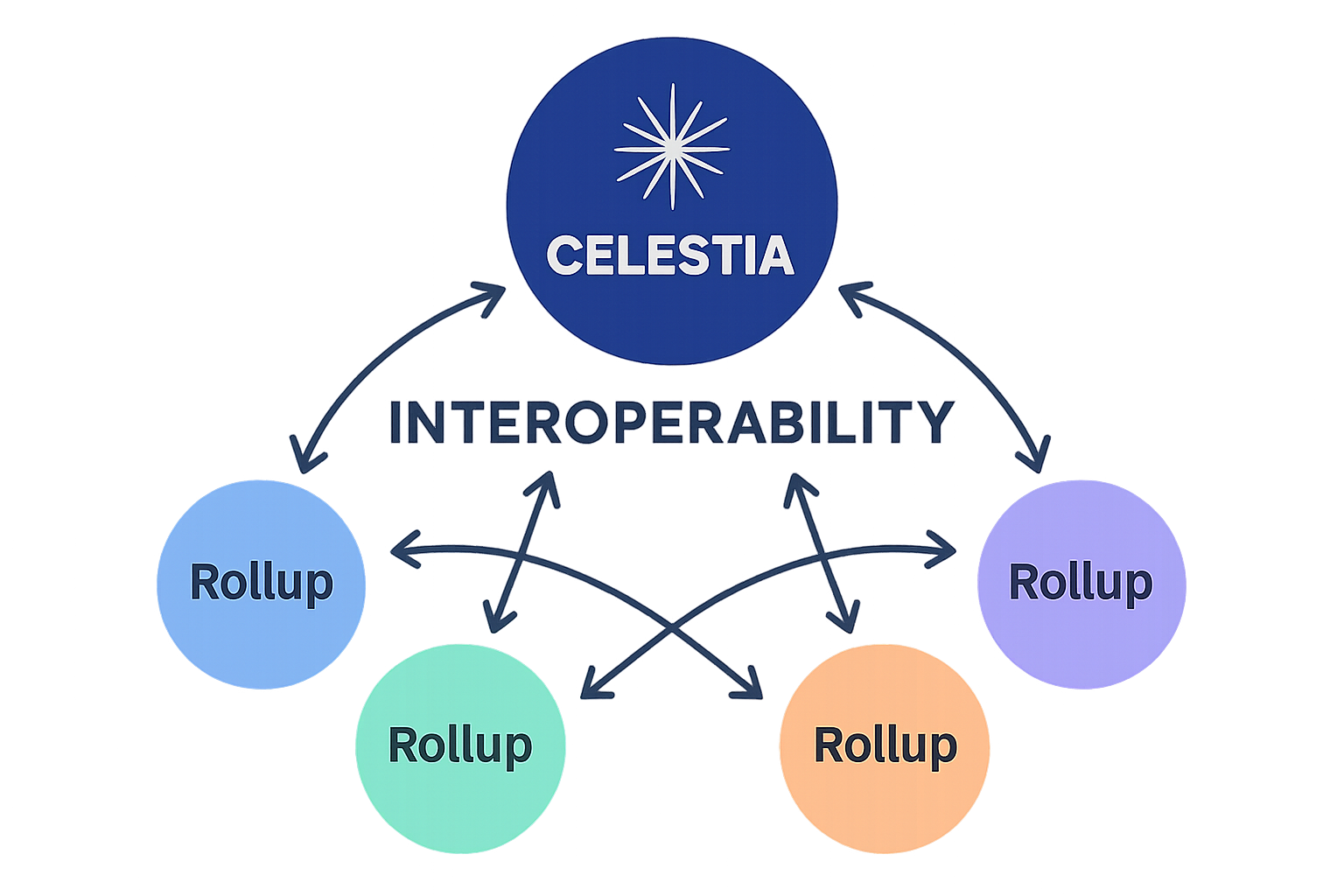
Liquidity fragmentation plagues modular chains, but 2025 solutions are closing the gap. Noble's partnership with Union Labs deploys zero-knowledge IBC bridges for trustless native USDC transfers across Celestia rollups and Cosmos. This sovereign interoperability layer means assets move fluidly, no wrappers needed.
Celestia's Lazybridging takes it further, using ZK proofs at the base layer for chain-agnostic bridging. Users experience rollups as one unified system, with native USDC flowing effortlessly. Add Hyperlane's Nexus from 2023, and you've got a nexus for EVM, Cosmos, and Celestia interoperability. These tools collectively bootstrap liquidity, making Celestia rollup liquidity robust and developer-friendly.
From my vantage as a fintech analyst, this stack isn't hype; it's the blueprint for modular DeFi's next phase. Native USDC eliminates bridged risks, like the current Multichain Bridged USDC (Fantom) trading at $0.0236 after a 24-hour gain of and $0.000900 ( and 0.0395%), with highs at $0.0264 and lows at $0.0219. Native issuance keeps things stable, empowering innovation without the drama.
Developers building on Celestia modular blockchain USDC setups now have the tools to sidestep these pitfalls entirely. Native issuance through Noble means peg stability you can bank on, even as bridged variants like Multichain Bridged USDC (Fantom) hover at $0.0236, up $0.000900 ( and 0.0395%) over 24 hours, between a high of $0.0264 and low of $0.0219. This contrast underscores why sovereignty doesn't have to mean shallow pools.
Developer Playbook: Launching with Native USDC
Getting started is straightforward, thanks to Noble's Cosmos-native issuance and Celestia's rollup toolkit. First, deploy your sovereign rollup using Celestia's data availability sampling for cheap, scalable posts. Integrate Noble's USDC via their APIs, which Circle endorses for seamless minting and burning. No bridges, no custodians; just pure, programmable liquidity.
Consider a DeFi lending protocol: bootstrap with native USDC collateral, tap AppLayer for EVM compatibility, and use Lazybridging for cross-rollup borrows. Gaming devs, like those at Cumulo Pro, can fuel in-game economies with stable payouts, leveraging Celestia's front-chain for low-latency settlements. This Noble Celestia integration turns modular complexity into competitive edge.
Key Benefits of Native USDC
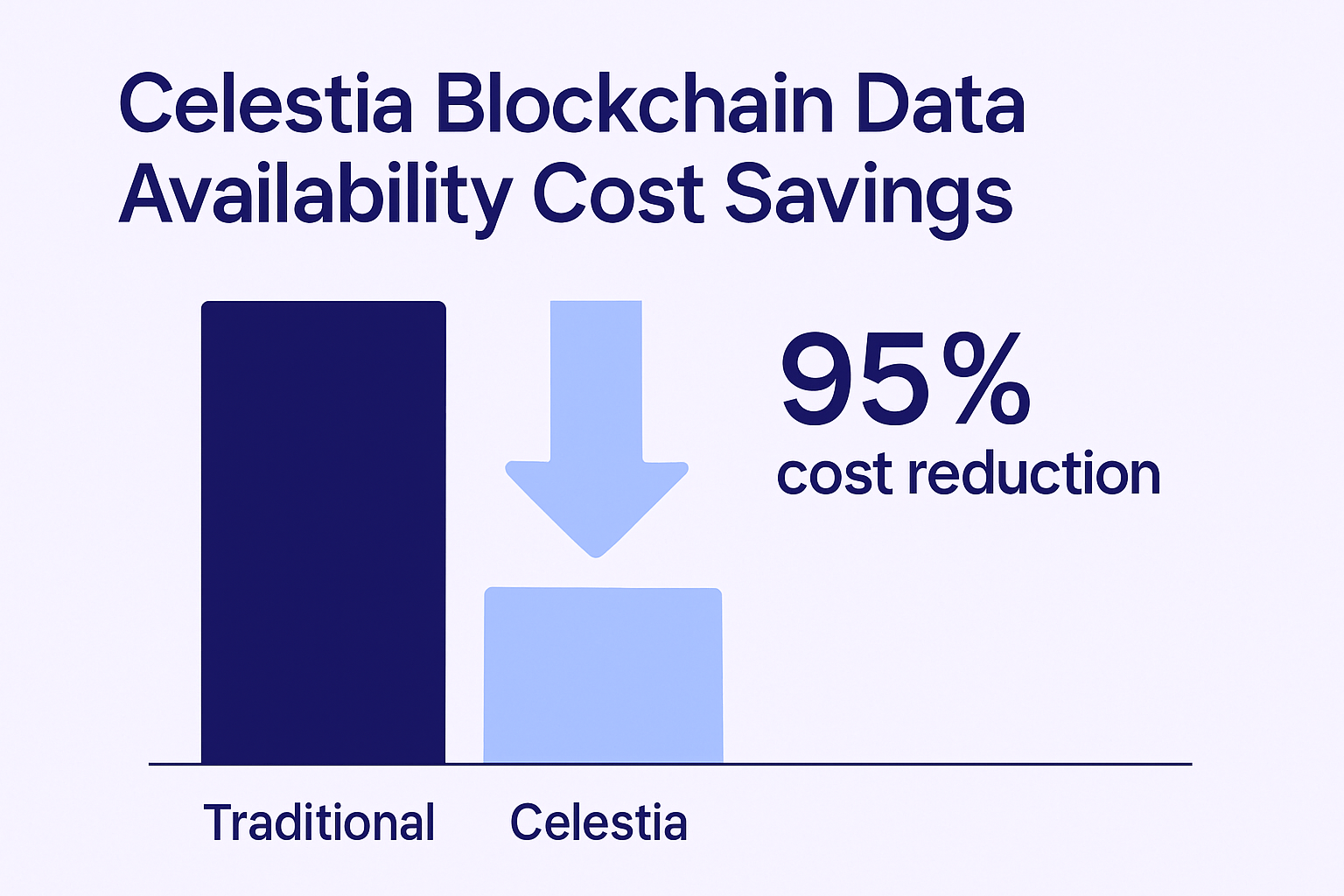
- Lower Costs: Celestia's data availability reduces storage and transaction fees for rollups.
- Peg Stability: Native USDC maintains $1 peg via Noble issuance, unlike bridged USDC on Fantom at $0.0236.
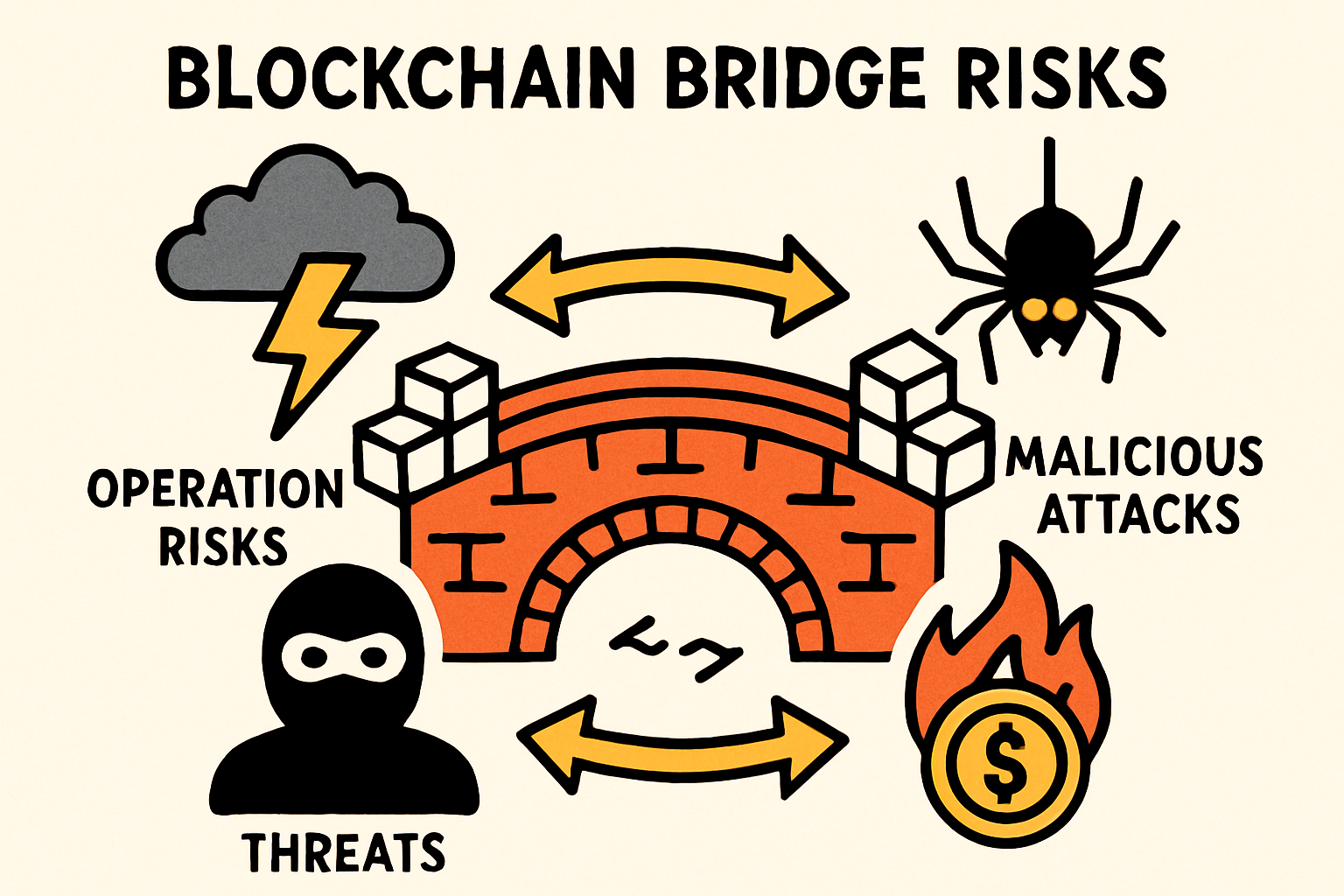
- No Bridging Risks: Direct on-chain issuance eliminates bridge hacks and delays.
- EVM Compatibility: Noble AppLayer is an EVM rollup on Celestia for Ethereum tools.
- Seamless Interoperability: Union's ZK IBC, Hyperlane Nexus, and Lazybridging enable cross-rollup flows.
From my experience analyzing fintech stacks, the real magic happens in composability. Noble's track record, processing tens of billions in transfers across 50 and apps, proves it scales. Pair that with Celestia's throughput, and you're looking at rollups that rival monolithic chains without the centralization baggage.
Milestones and Momentum: The Road to Liquidity Dominance
The path to this ecosystem wasn't overnight. Noble's 2023 launch set the stage with USDC issuance in Cosmos, quickly expanding to USDY and beyond. By 2025, AppLayer's rollout on Celestia amplified that, drawing Ethereum DeFi inflows. Partnerships with Union Labs and Hyperlane's Nexus sealed the interoperability loop, while CCTP's Cosmos debut supercharged UX.
These steps build a flywheel: more liquidity attracts apps, which deepen pools further. Voices like ConnyConny253 on X nail it, highlighting how lean modular teams crave this 'out-of-the-box' stability for faster launches. Noble CEO Jelena Djuric's vision shines through, prioritizing developer choice over locked-in bridges.
Yet, challenges linger. Fragmentation persists in nascent rollups, and regulatory scrutiny on stablecoins demands vigilance. Celestia's Lazybridging and Union's ZK tech mitigate risks, ensuring trustless flows. Noble's permissionless AppLayer invites experimentation, from stablecoin vaults to RWAs, all under Celestia's scalable umbrella.
Real-World Wins: Apps Thriving on Native Foundations
Early adopters are already reaping rewards. DeFi protocols on AppLayer report 40% lower costs versus Ethereum bridges, with USDC TVL surging post-integration. Gaming outfits pipe native USDC into reward systems, dodging volatility that plagues bridged tokens at $0.0236. Even enterprise pilots for tokenized treasuries find Celestia's modularity ideal, issuing assets via Noble without sovereignty trade-offs.
This isn't abstract; it's the modular shift in action. Sovereign rollups with baked-in Celestia rollup liquidity let teams iterate boldly, focusing on UX over plumbing. As 2025 unfolds, expect a wave of launches blending Celestia, Noble, and EVM tools, outpacing legacy L2s.
Stepping back, native USDC on Celestia rollups via Noble redefines what's possible. It hands developers the deepest liquidity without chains or compromises, fueling a ecosystem where innovation thrives on stability. Whether you're spinning up a DEX or a metaverse economy, this stack delivers the foundation to build big.



No comments yet. Be the first to share your thoughts!