

In the high-stakes world of modular blockchains, where billions in value flow across interconnected networks, security isn't just a feature- it's the foundation. Conduit has quietly emerged as a powerhouse, safeguarding over $1.2 billion in Total Value Locked (TVL) across more than 50 mainnet rollups with an impeccable record: zero losses. This isn't luck; it's the result of deliberate engineering and foresight in conduit rollup security, setting a benchmark for secure rollup infrastructure in the Ethereum ecosystem.

Developers flock to Conduit for its ability to deploy, customize, and scale appchains, onchain games, DEXs, and entire ecosystems. Mainnet rollups on the platform now represent 55% of all hosted mainnets and a dominant 70% slice of hosted mainnet activity. Yet, amid this explosive growth- fueled by stablecoin proliferation and DeFi composability- Conduit's defining edge lies in its unyielding security posture. While exploits plague other frameworks, Conduit's networks have stood firm, protecting user funds and protocol integrity.
Quantifying Conduit's Dominance in Rollup Metrics
Let's break down the numbers that paint Conduit's rise. With $1.2 billion TVL under its wing, Conduit isn't just participating in the rollup race- it's leading the pack. This TVL spans diverse applications, from high-throughput DEXs to gaming ecosystems demanding low-latency execution. What impresses me most, as someone who's tracked multi-asset portfolios through crypto winters and booms, is the conduit TVL chains concentration without compromising safety.
Conduit Rollup Metrics
| Metric | Value | Market Position |
|---|---|---|
| TVL | $1.2B | Leading |
| Mainnet Rollups Hosted | 55% | Dominant |
| Mainnet Activity | 70% | Dominant |
| Losses | Zero | Unmatched |
These figures underscore a platform engineered for scale. Conduit's infrastructure supports conduit modular blockchain deployments that rival monolithic chains in performance while inheriting Ethereum's settlement guarantees. But raw metrics only tell half the story; the real test comes in adversarial conditions, where most rollups falter.
Layered Defenses: From Multisig to HSM Keys
Conduit's security begins with battle-tested primitives. Many networks start with a 3/5 multisig setup, private keys secured in hardware wallets- a step up from single points of failure. But Conduit pushes further, introducing Hardware Security Module (HSM)-generated rollup keys. These eliminate human error in key management, generating keys in tamper-resistant environments that withstand sophisticated attacks.
Key Conduit Security Features
- HSM-generated rollup keys for keyless operations, eliminating key exposure risks.

- Customizable security frameworks per chain, allowing tailored protection strategies.
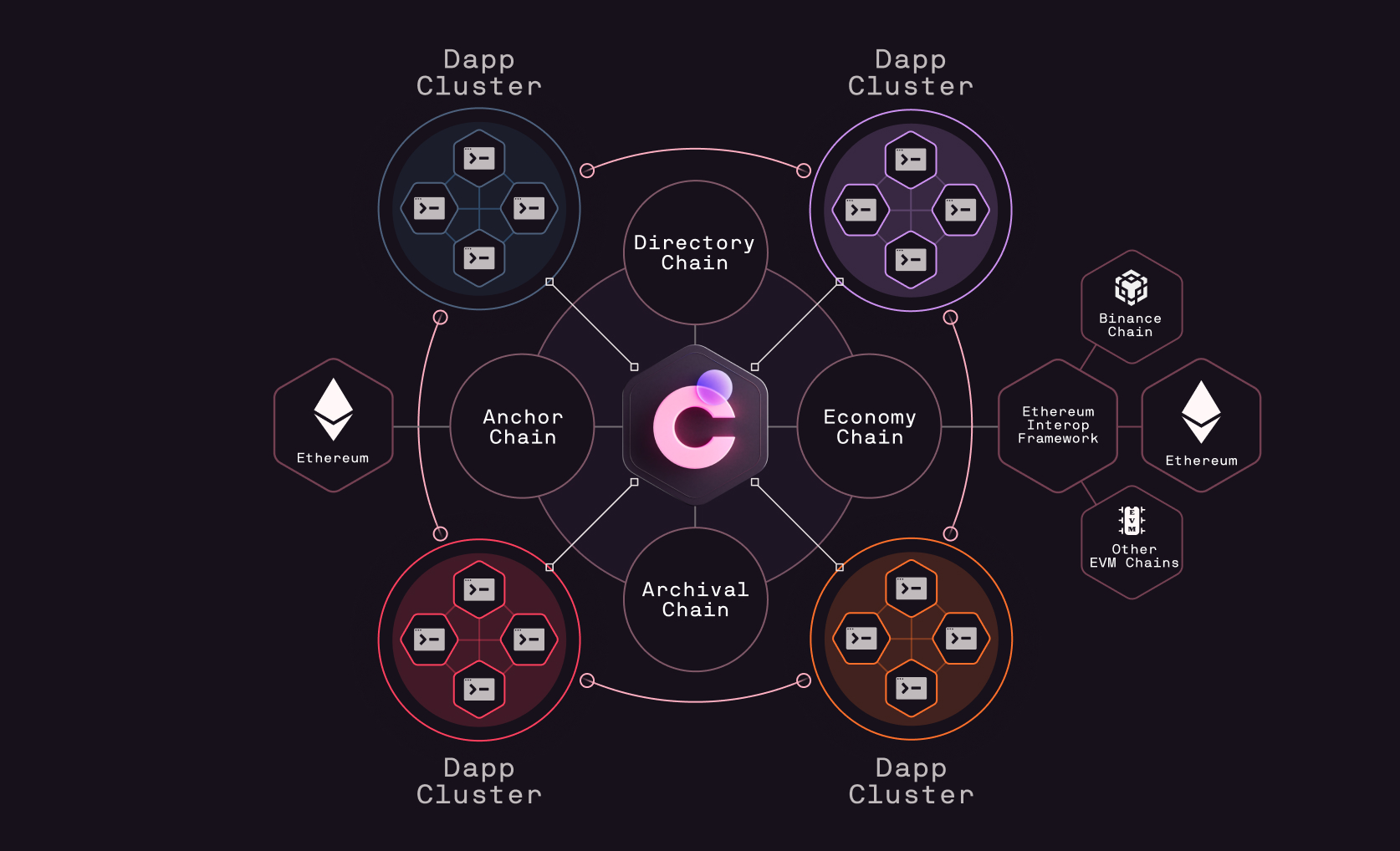
- High-availability sequencing to prevent downtime exploits and ensure reliability.
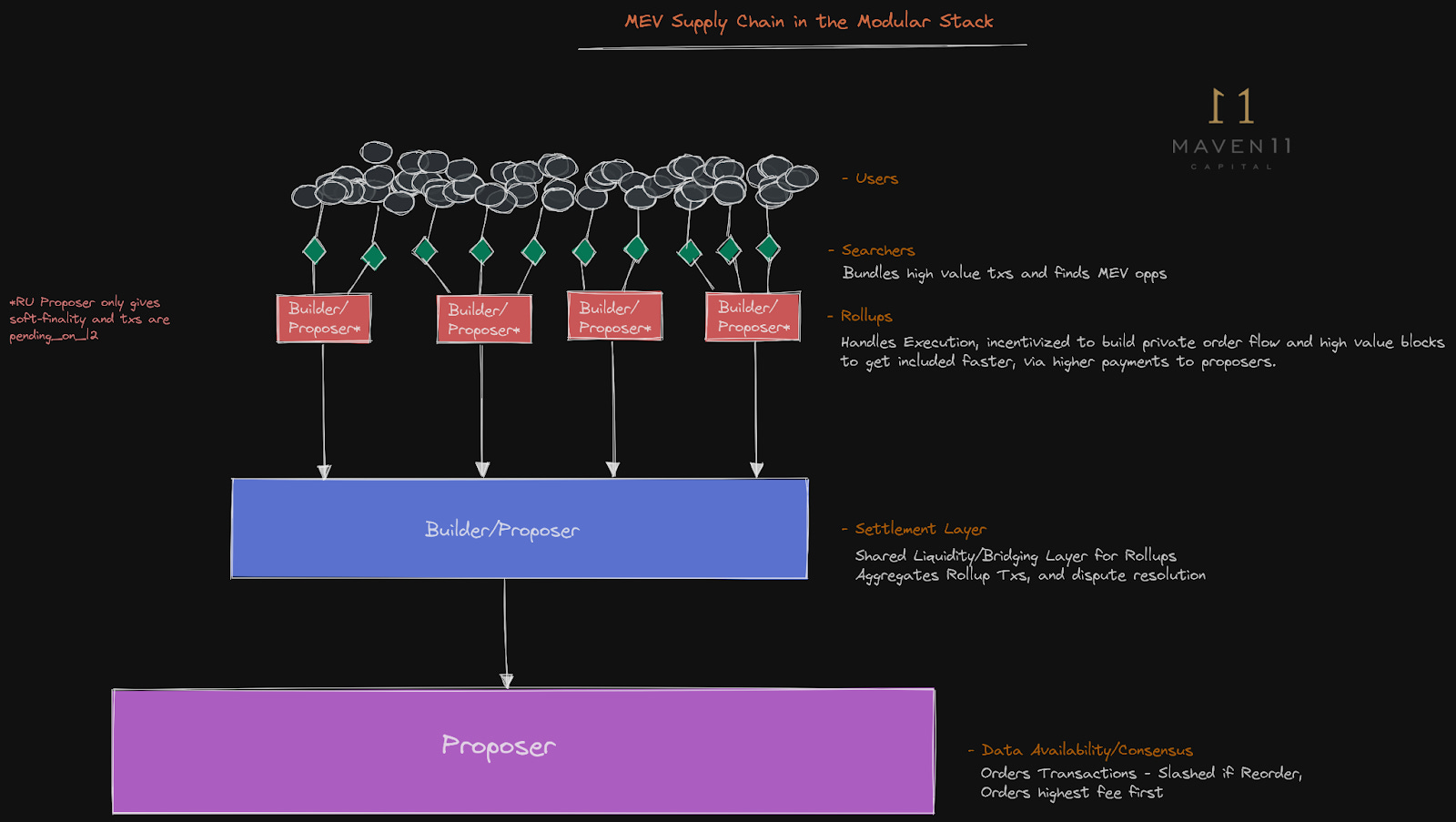
- 3/5 multisig with hardware wallet storage for secure key management.
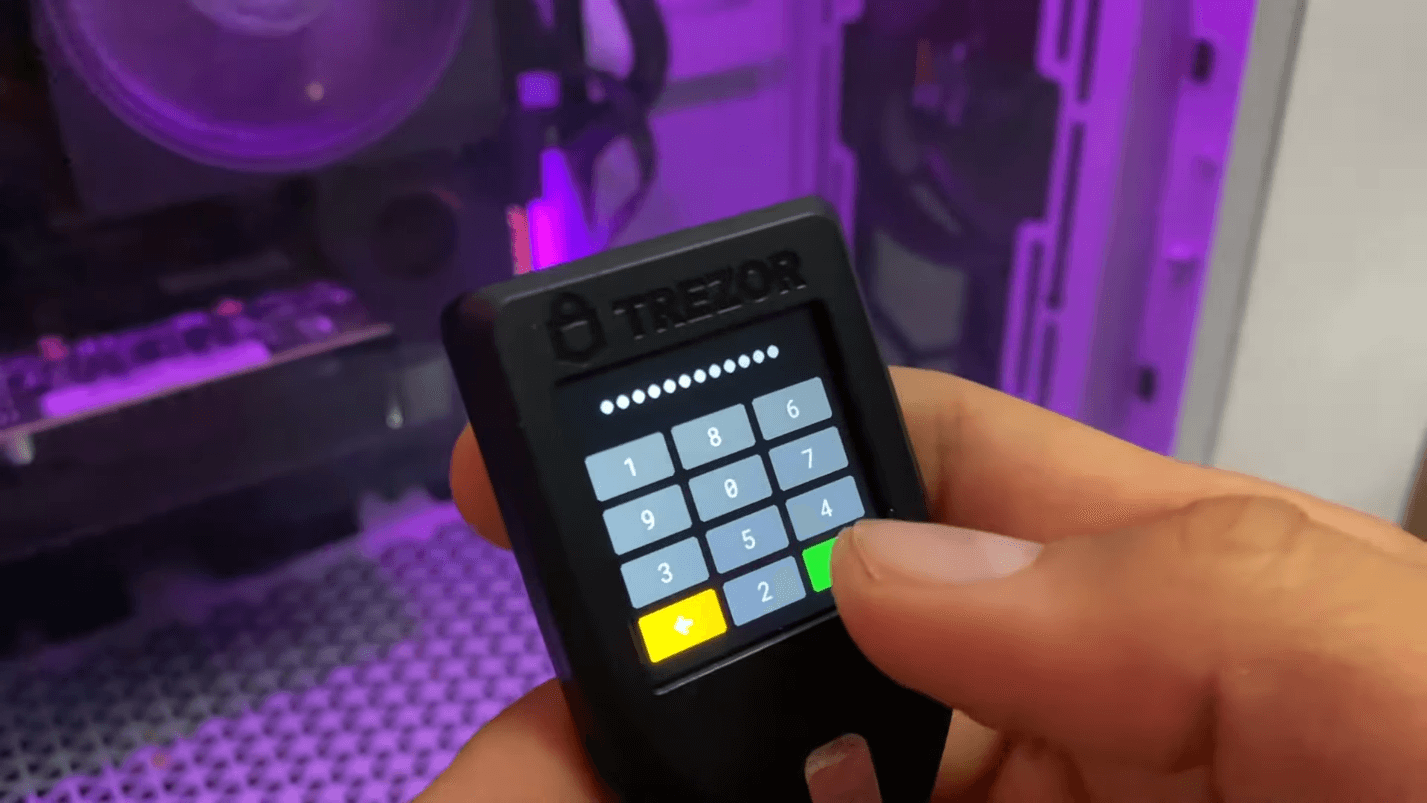
This multi-layered approach allows operators to tailor protections- think permissionless upgrades for some chains, ironclad multisigs for others handling conduit ethena polygon integrations. High-availability sequencing ensures no single sequencer outage cascades into losses, a common vector in less mature setups. In my view, this flexibility without fragility is what elevates Conduit above generic rollup stacks.
Elite Guardians: Dedicated Engineers and Security Councils
Behind the tech are Conduit's dedicated security engineers, who don't just react- they hunt. Representation on both Optimism and Arbitrum security councils gives them insider access to ecosystem threats, enabling preemptive hardening. They've proactively identified zero-day vulnerabilities in leading rollup frameworks and protocols, patching them before exploitation.
This proactive stance reflects a mature philosophy: security as an ongoing offensive. While competitors audit post-incident, Conduit's team simulates attacks, stress-tests custom frameworks, and iterates relentlessly. For portfolio builders like me, deploying on such infrastructure means aligning with proven resilience, not gambling on untested promises.
Real-world proof comes from Conduit's track record amid rising threats. As stablecoins and yield-bearing assets dominate TVL compositions- stabilizing at massive scales across ecosystems- exploits in sequencer downtime or key compromises have drained millions from rivals. Conduit's zero-loss streak across conduit TVL chains proves these defenses work under fire. Take the recent push for security upgrades on Conduit-based networks: transitioning from basic multisigs to HSM integrations has fortified high-value deployments like those bridging conduit ethena polygon liquidity pools.
Benchmarking Against the Rollup Landscape
Stack Conduit against the field, and the gap widens. While many rollup frameworks tout speed or cost, few match Conduit's security depth. Its representation on security councils provides an edge competitors lack, turning collective intelligence into bespoke protections. I've seen portfolios crumble from single exploits in modular setups; Conduit's approach- blending custom frameworks with relentless vulnerability hunting- offers the diversification I preach: spread risk across proven layers.
In a landscape where LayerZero connects 150 and blockchains for seamless value transfer, Conduit's infrastructure powers the backbone, ensuring those flows remain secure. Messari's theses highlight secure block space as crypto's future; Conduit delivers it now, with 70% mainnet activity share underscoring adoption.
Future-Proofing: Custom Frameworks and Beyond
Looking ahead, Conduit's customizable security frameworks let operators dial in protections matching their risk profile. Permissionless upgrades minimize governance attacks, while high-availability sequencing thwarts MEV extraction during outages. This isn't static; dedicated engineers iterate on zero-days, simulating nation-state threats that sideline lesser platforms. For developers building on conduit modular blockchain, it means launching with enterprise-grade safeguards baked in.
Conduit Security vs Common Vulnerabilities
| Vulnerability | Conduit Mitigation | Industry Average |
|---|---|---|
| Sequencer Downtime | High-Availability Sequencing | Frequent |
| Key Compromise | HSM-Generated Keys | Rampant |
| Governance Exploits | Custom Multisig Frameworks | Persistent |
| Zero-Day Exposure | Council Representation and Audits | Reactive |
Operators gain peace of mind knowing Conduit's crypto-native cloud scales Ethereum without the pitfalls. As TVL shifts toward stablecoins- now a cornerstone in $124B and ecosystems- platforms ignoring secure rollup infrastructure will fade. Conduit's zero losses aren't an anomaly; they're the new standard.
Deploying here aligns technical prowess with fundamental resilience. Chains handling DEXs, games, or app-specific logic thrive because Conduit anticipates failures others ignore. Picture your project among the 55% of hosted mainnets: performant, scalable, unbreakable.
This checklist distills years of multi-asset lessons into actionable defense. Conduit's ecosystem doesn't just protect $1.2 billion today; it fortifies tomorrow's trillions, proving that in modular blockchains, true leaders secure the stack from the ground up.




No comments yet. Be the first to share your thoughts!