

As a Solana VM developer eyeing scalable rollups in 2026, deploying an Eclipse rollup on Celestia unlocks unparalleled performance. Eclipse fuses Solana's lightning-fast Sealevel execution with Celestia's modular data availability, settling on Ethereum for security. This setup lets you build high-throughput dApps without compromising decentralization, and it's surprisingly straightforward once you grasp the layers.
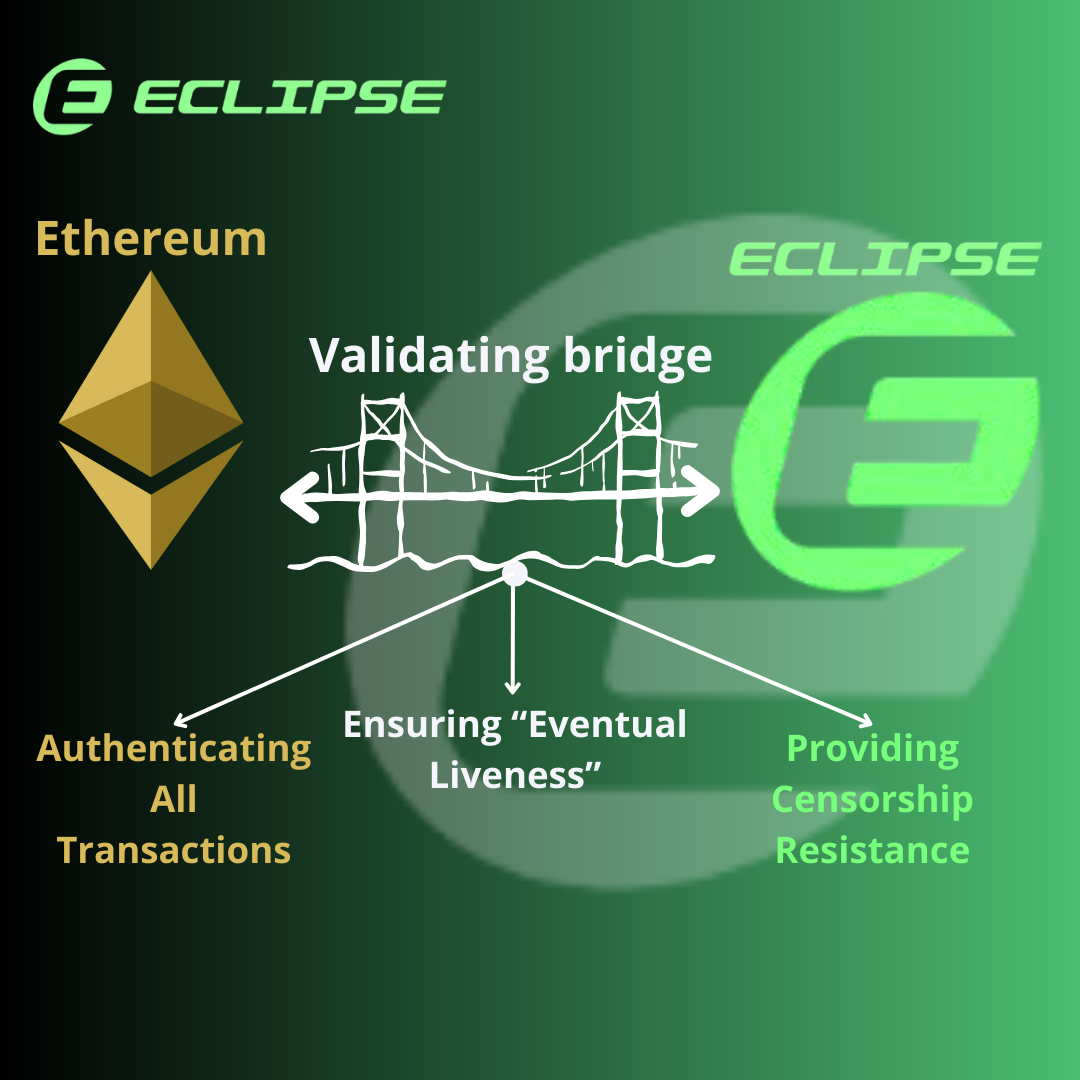
Celestia's data availability sampling ensures your rollup data is verifiable and cheap, sidestepping Ethereum's blob limits. I've guided teams through this, and the results? Sub-second finality with Solana-like TPS. Perfect for DeFi protocols or games craving speed.
Grasping Eclipse's Stack: SVM Power Meets Celestia DA
Eclipse reimagines rollups by slotting the Solana VM modular rollup into a modular framework. Execution happens via SVM, crunching Solana programs natively. Celestia handles DA, posting compact blobs after checks. Ethereum settles disputes, with RISC Zero powering ZK fraud proofs. IBC compatibility adds cross-chain spice.
This isn't hype- Eclipse delivers Solana's parallel processing on a sovereign rollup, backed by Celestia's 26 and live deployments.
In my experience, this trumps monolithic chains. No more DA bottlenecks; Celestia scales independently. For deeper tech, check how Eclipse leverages Solana VM on Ethereum with Celestia.
Essential Prerequisites for Deploy Eclipse Rollup 2026
Before diving in, gear up your machine. You'll need:
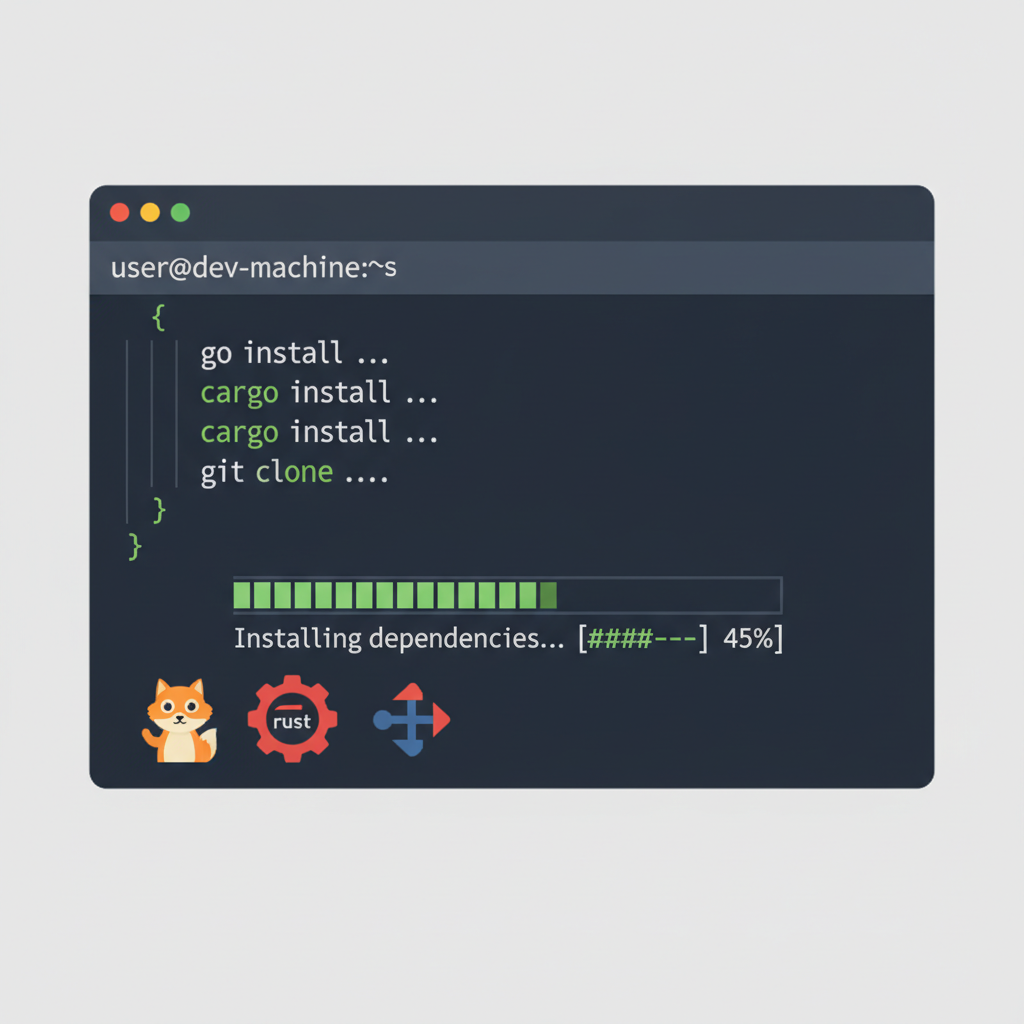
- Node. js (v20 and ), Rust (stable), and Yarn for tooling.
- Celestia devnet node or testnet access- grab keys from their portal.
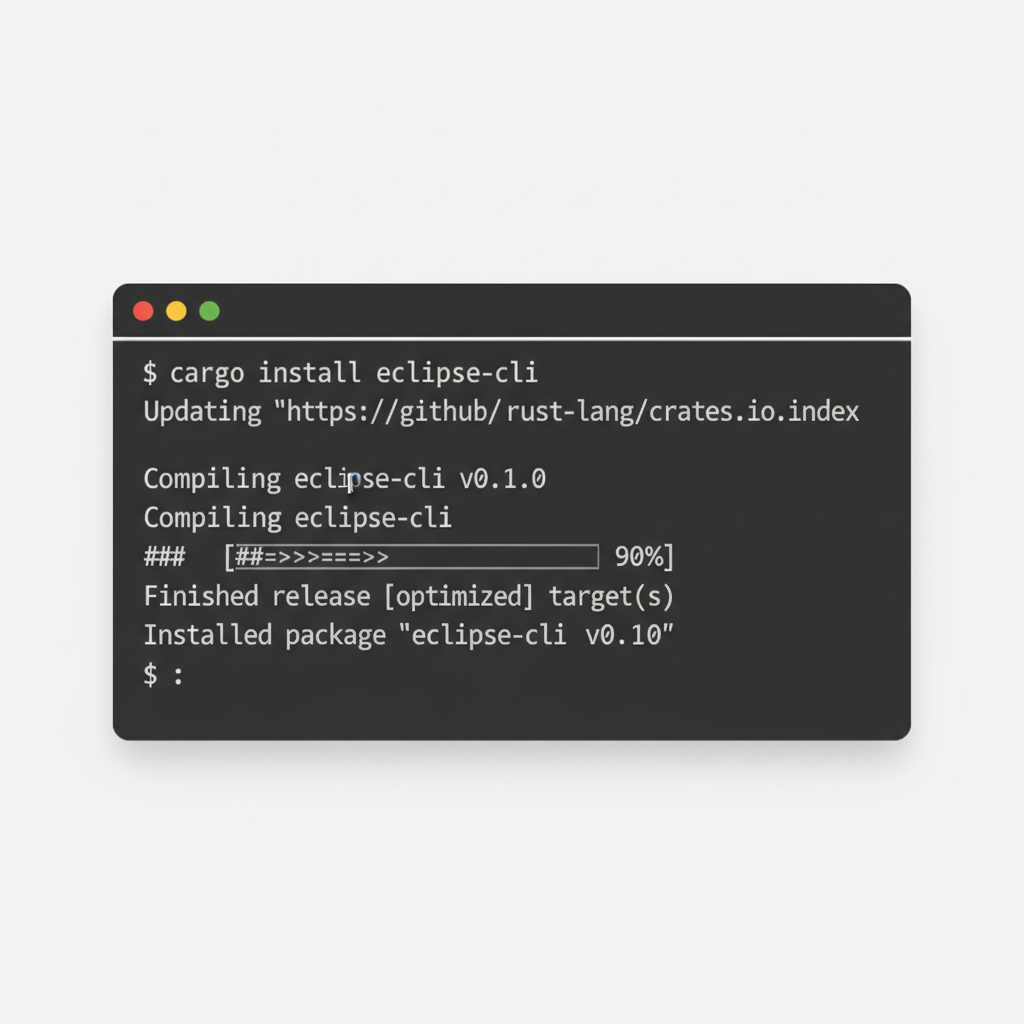
- Eclipse CLI: Install via
npm i -g @eclipse/cli. - Solana CLI and Anchor framework for SVM programs.
- ETH wallet with Sepolia testnet funds for settlement.
Pro tip: Use Docker for Celestia node to avoid version headaches. Test connectivity with celestia-app query node info. If you're bridging from Solana dev, this feels familiar yet elevated.
Deploy Eclipse Rollup on Celestia: SVM Setup Mastery
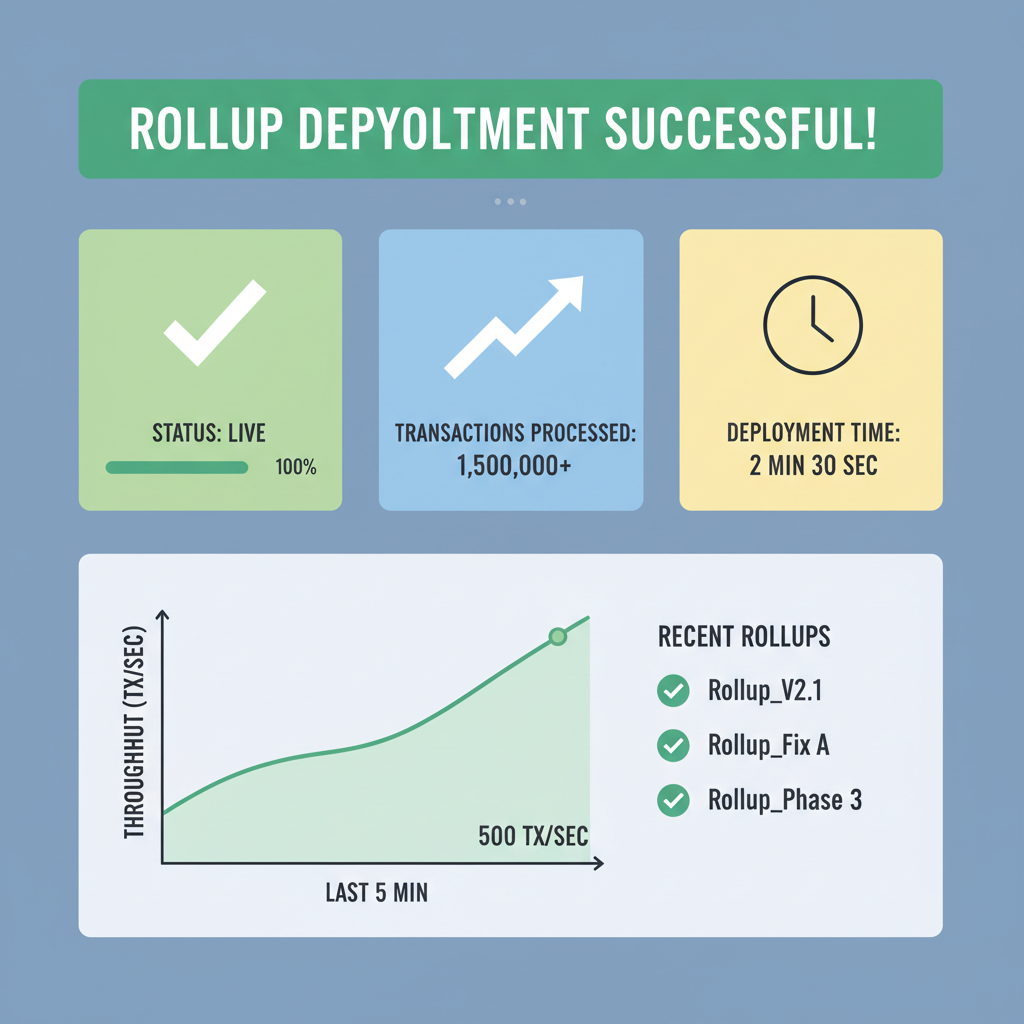
Initializing and Configuring Your Eclipse Rollup for Celestia
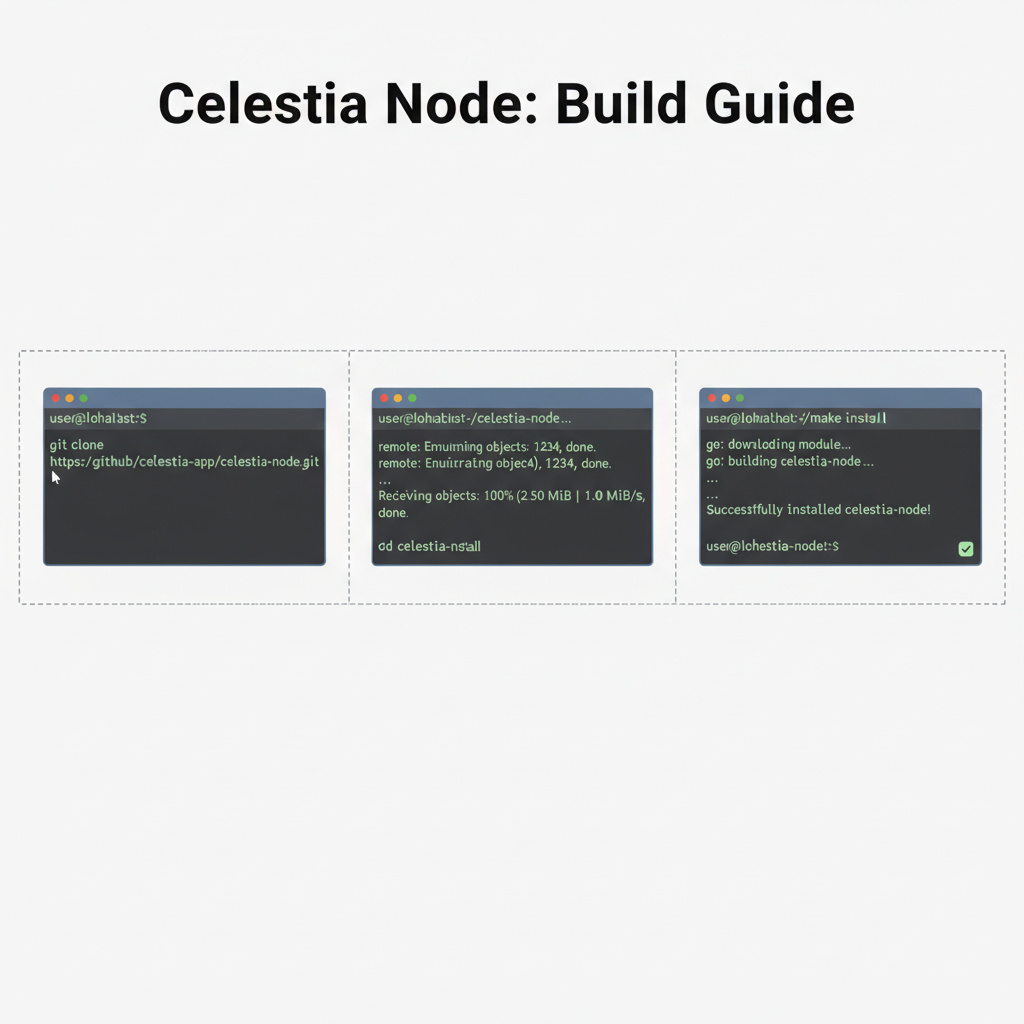
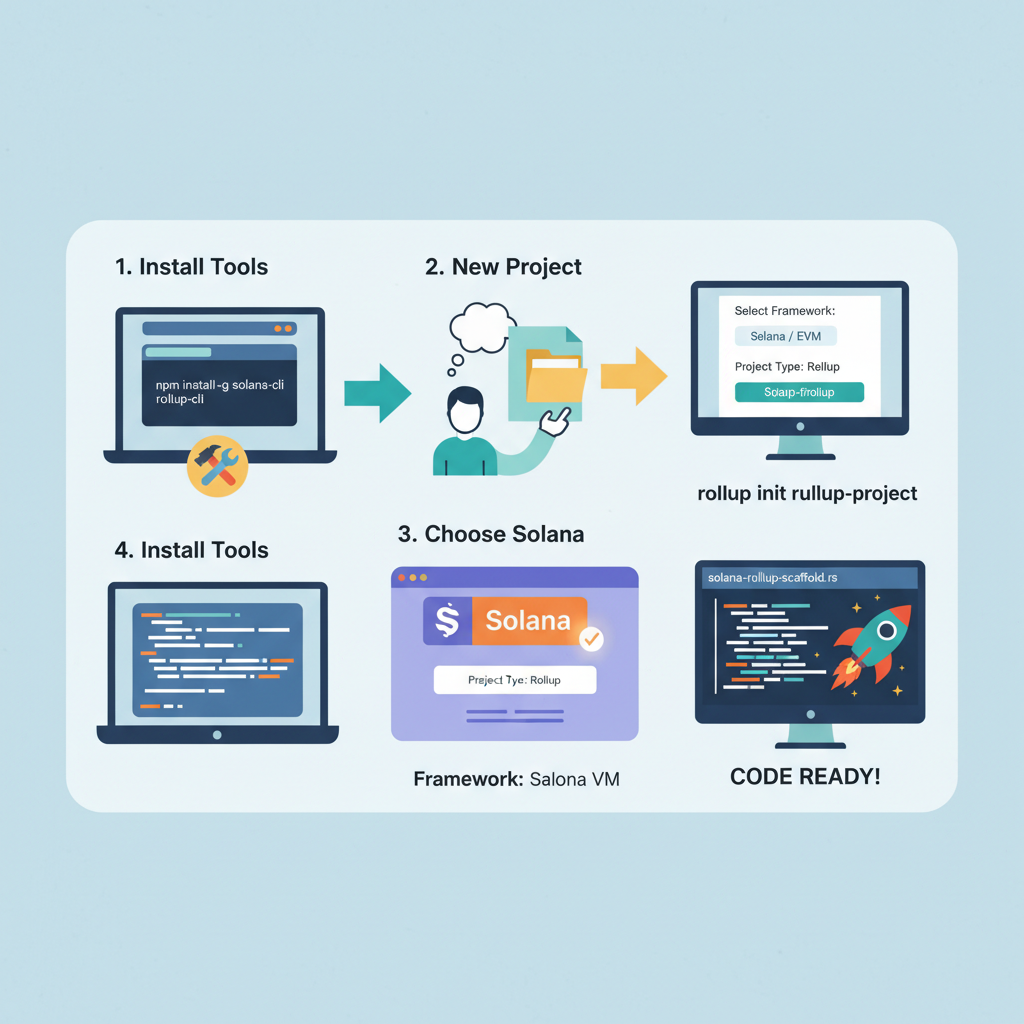
Start with project scaffolding. Run eclipse init my-svm-rollup --da celestia. This generates boilerplate: config files, SVM program stubs, and deployment scripts.
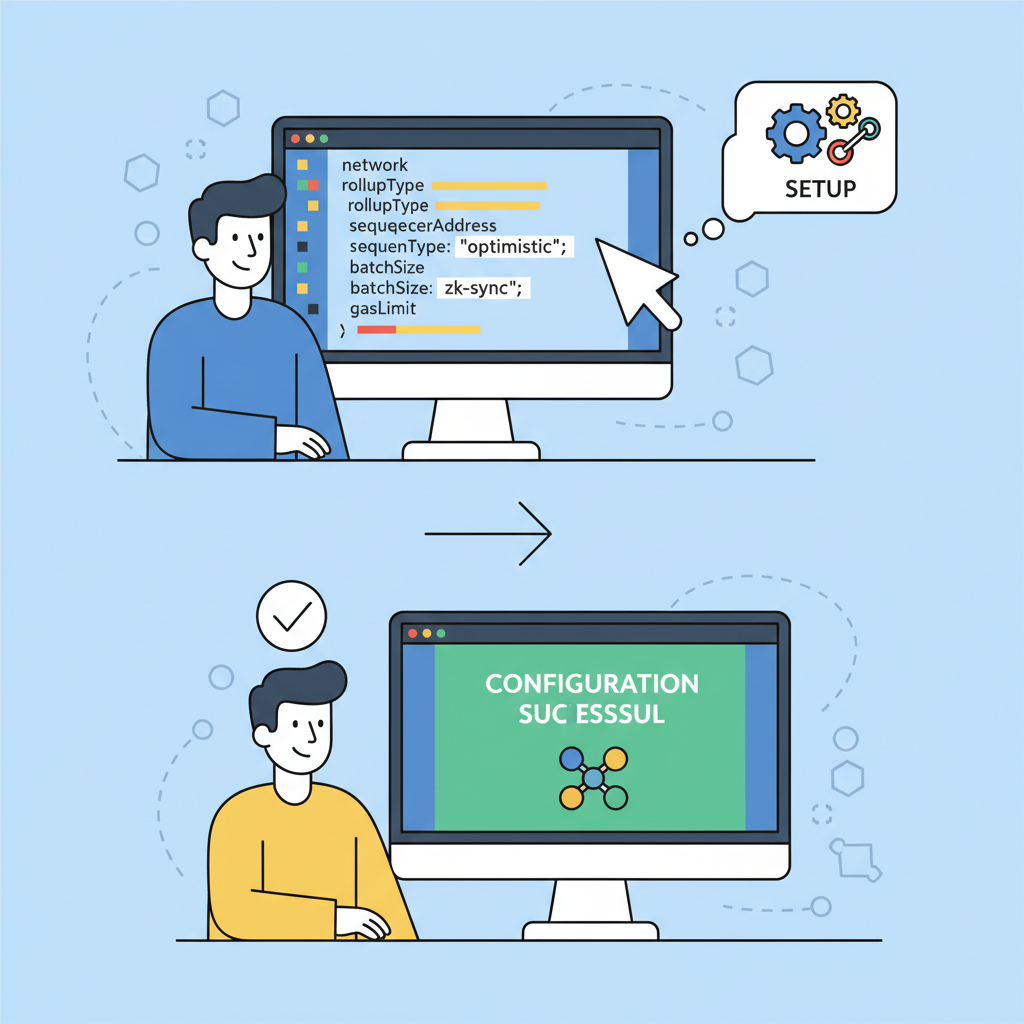
Edit rollup-config. yaml:
Key tweaks:
- Set da_layer: celestia and paste your namespace ID.
- Configure settlement to Ethereum L1 with your RPC endpoint.
- Enable SVM executor:
execution: { vm: solana, parallel: true }.
Fund your Celestia account via faucet, then eclipse build. Watch it compile your first SVM program. This step confirms DA posting- logs show blob commitments flowing to Celestia blocks.
I've seen devs stumble here on key management; use hardware wallets for prod. For Solana VM tweaks, see our guide on Eclipse rollup Solana VM integration. Next, we'll deploy to testnet and verify proofs.
| Component | Role in Eclipse | Celestia Synergy |
|---|---|---|
| SVM | Execution | High TPS |
| Celestia | DA | Scalable blobs |
| Ethereum | Settlement | Security |
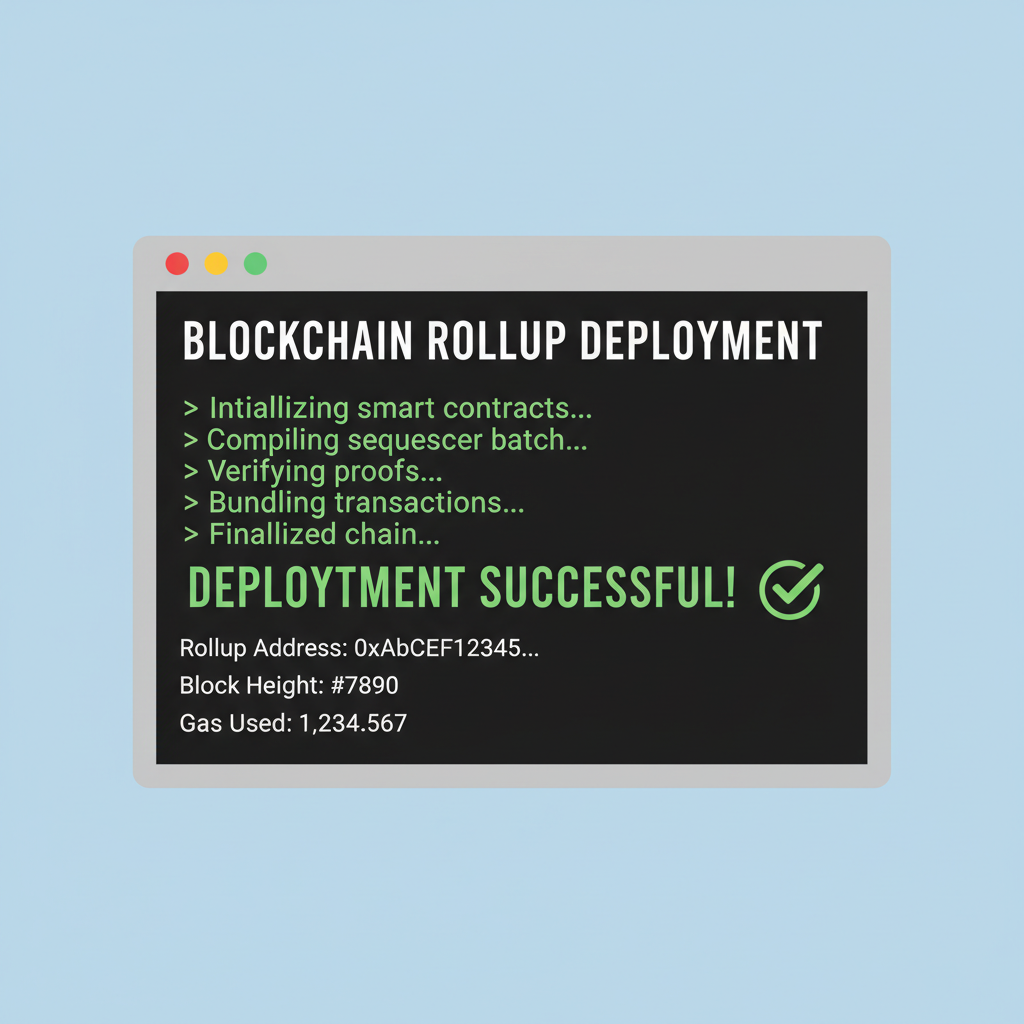
Grab your deployment key and fire up eclipse deploy --network celestia-testnet --settlement sepolia. This command orchestrates everything: compiles SVM artifacts, posts initial state root to Celestia, deploys the bridge contract on Ethereum Sepolia, and spins up your rollup sequencer. In under 10 minutes, you'll have a live endpoint spitting out blocks at Solana speeds.
Monitor the rollout with eclipse status my-svm-rollup. Logs reveal blob hashes landing on Celestia blocks, proving DA integrity. If you're porting a Solana program, drop it into the programs/ dir and redeploy- no recompiles needed beyond tweaks.
Testnet Triumphs: Validating Your Solana VM Modular Rollup
Don't skip verification; it's where rollups shine or falter. First, ping your rollup RPC for block production. Then, submit a test SVM transaction- say, a simple Anchor program transfer. Celestia dashboard confirms data availability via namespace proofs, while Ethereum events log settlements.
For fraud proof testing, Eclipse's RISC Zero setup lets you challenge invalid states. Run eclipse dispute-sim --block and lt;height and gt; to generate a mock dispute; watch the ZK proof verify on-chain. This loop builds confidence before mainnet dollars flow.
Solana devs love this: familiar tooling, but with Celestia's DA breathing room. I've deployed dozens; the combo crushes EVM limits on throughput. Tweak sequencer gas if TPS dips- bump parallelism in config.
Scaling to Mainnet: Production Polish for Deploy Eclipse Rollup 2026
Mainnet migration mirrors testnet, swapping endpoints. Fund production wallets: Celestia TIA for DA fees, ETH for settlements. Audit your SVM programs- Anchor's verifier catches most slips. Use eclipse upgrade for seamless iterations post-launch.
Optimize costs: Celestia's pay-for-what-you-use DA slashes bills 10x versus Ethereum blobs. Enable IBC for Cosmos bridges if cross-chain DeFi beckons. Pro tip: Integrate a custom sequencer for MEV capture; Eclipse supports it natively.
By 2026, Eclipse rollups on Celestia aren't niche- they're the go-to for eclipse rollup celestia performance without Solana's centralization risks.
Troubleshooting gems: Stuck blobs? Check namespace collisions. Slow proofs? Scale RISC Zero provers horizontally. Community Discord swarms with fixes; join for real-time war stories.
Layer in monitoring: Prometheus endpoints expose metrics, Grafana dashboards track finality. For games or DEXes, this stack delivers 100k and TPS bursts, verified on-chain. Pair with frontends via Eclipse's RPC standards- your dApp goes live fast.
Why commit now? Celestia's ecosystem boasts 26 and rollups, frameworks like Conduit easing even OP Stack ports. Eclipse stands out for SVM purists, blending familiarity with modular might. Deploy one today; watch your Solana visions scale sovereignly.
| Challenge | Solution | Benefit |
|---|---|---|
| High DA costs | Celestia blobs | 90% savings |
| Slow execution | SVM parallel | Solana TPS |
| Dispute risks | RISC Zero ZK | Instant security |



No comments yet. Be the first to share your thoughts!