

Eclipse stands at the intersection of high-performance execution and modular scalability, offering developers a way to deploy Solana VM Eclipse rollups settled on Ethereum with Celestia DA Eclipse handling data availability. Since its public mainnet launch in November 2024, this setup has drawn attention for blending Solana's blistering throughput- think thousands of transactions per second- with Ethereum's proven settlement layer and Celestia's efficient data posting. For teams eyeing Eclipse rollup deployment, the appeal lies in customizing execution without sacrificing security or cost efficiency, a true win in the modular rollups Eclipse ecosystem.
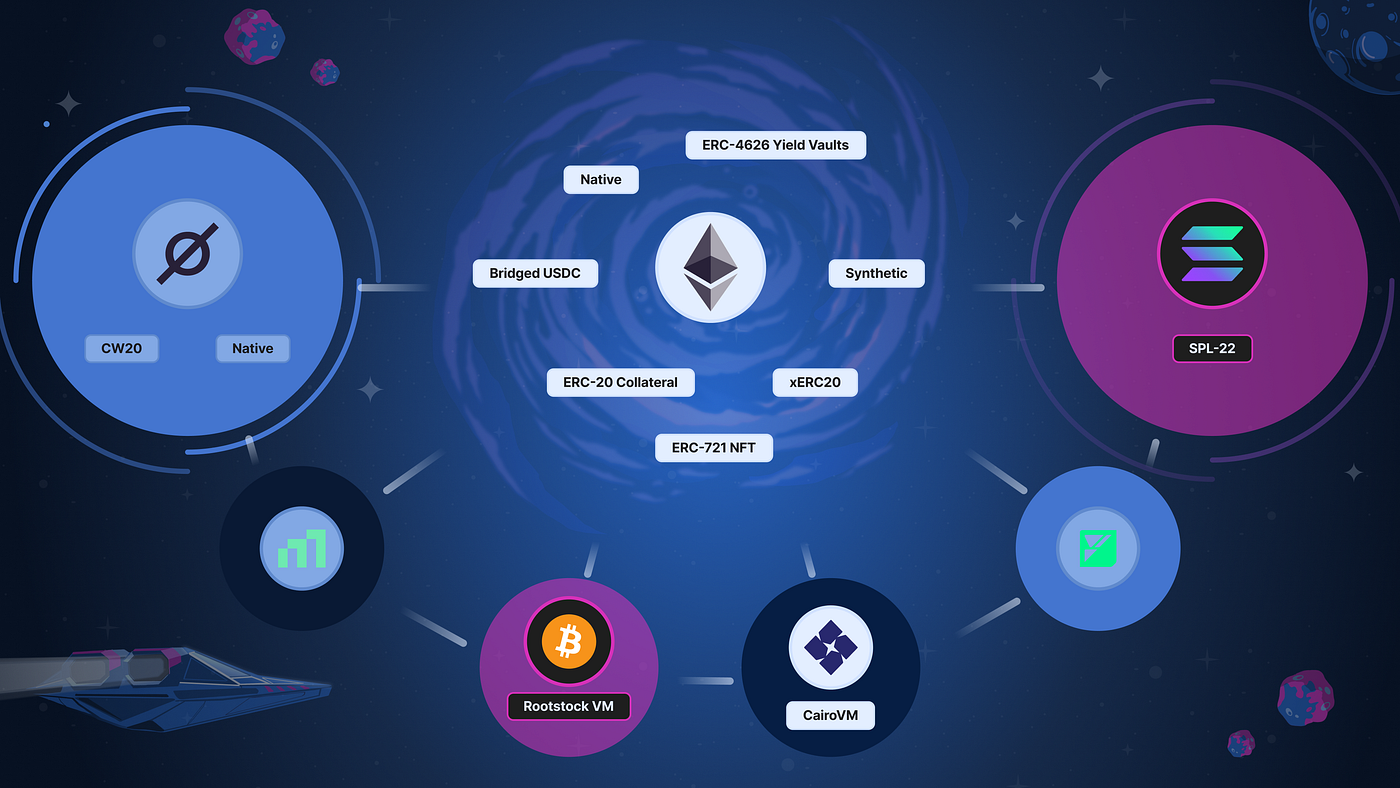
This architecture isn't just theoretical; it's battle-tested on mainnet, where real applications are already pushing boundaries. Eclipse forks Solana's codebase, infusing it with interoperability hooks like IBC for seamless Celestia integration. Developers benefit from familiar Solana tooling while tapping into Ethereum liquidity, sidestepping the silos that plague monolithic chains. In my view, this is where modular blockchains shine: execution tuned for speed, data availability outsourced to specialists, and settlement anchored in the most secure network around.
Unpacking the Eclipse Modular Stack
At its core, modular rollups Eclipse like this one decouple key functions. Solana VM handles execution, processing transactions at native speeds without the bottlenecks of EVM gas limits. Ethereum acts as the settlement layer, finalizing state roots and providing economic security through its vast validator set. Celestia steps in for data availability, sampling proofs to ensure rollup data is accessible without bloating Ethereum's storage costs.
Why this combo? Solana VM brings proven scalability- Eclipse inherits its parallel processing and Gulf Stream mempool- while Celestia slashes DA costs by up to 100x compared to Ethereum calldata. Ethereum settlement adds trust-minimized bridging and DeFi composability. Recent discussions, from Celestia blogs on Rollkit to Eclipse Labs interviews, highlight how this stack enables Eclipse Solana VM setup that's not only fast but economically viable for high-volume apps like gaming or social platforms.
Key Advantages of Eclipse Rollups
- Solana-speed execution (50k+ TPS): Leverages Solana Virtual Machine (SVM) for high-throughput processing matching Solana's performance.
- Celestia DA cost savings: Uses Celestia as data availability layer for scalable, low-cost data posting.

- Ethereum security & liquidity: Settles transactions on Ethereum, inheriting its security and deep liquidity.
- Easy Solana dApp porting: Fork of Solana codebase enables straightforward migration of existing Solana dApps.

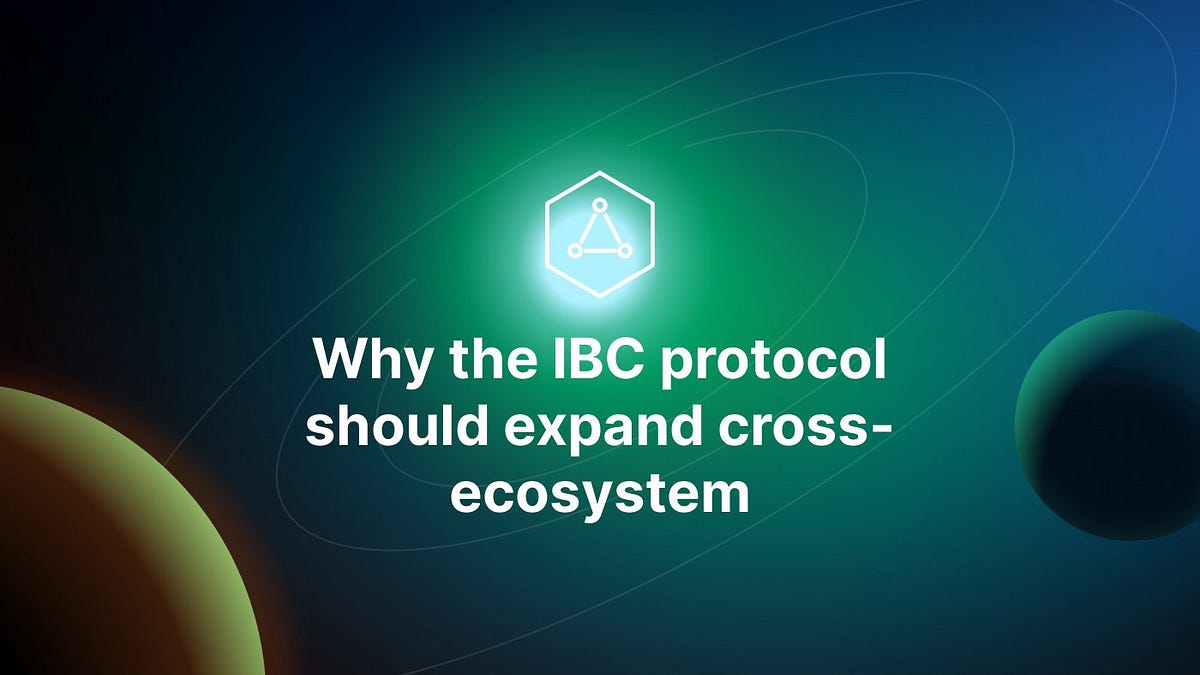
- IBC-enabled interoperability: Supports Inter-Blockchain Communication (IBC) for cross-chain connectivity via Celestia.
Essential Prerequisites for Deployment
Before diving into Solana VM Eclipse configuration, ensure your local environment matches Eclipse's requirements. You'll need Rust 1.75 or later, as Eclipse builds on Solana's toolchain. Install the Solana CLI via their official script, then clone the Eclipse repo from GitHub- it's a maintained fork with Celestia namespaces baked in. Node. js and Yarn are handy for frontend tooling, but the heavy lifting happens in Rust crates.
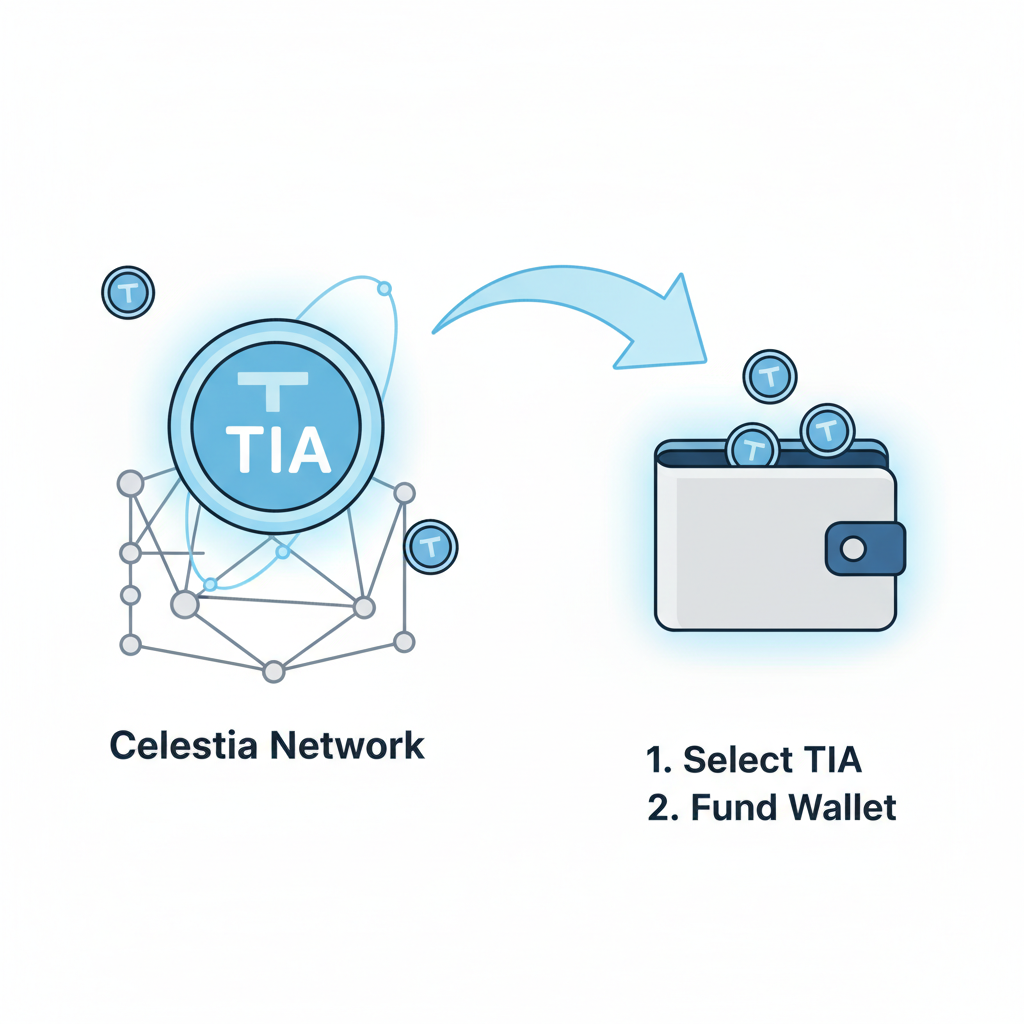
Hardware-wise, aim for a machine with 16GB RAM, SSD storage, and a multi-core CPU; testnet nodes sync quickly, but mainnet demands more. Set up your wallet with ETH for gas on Ethereum and TIA for Celestia fees. Pro tip: Use a dedicated keypair for the rollup operator to isolate risks. Resources like QuickNode guides and Eclipse's awesome list provide RPC endpoints and block explorers to verify setups early.
Configuring Solana VM for Eclipse Rollups
Kick off your Eclipse rollup deployment by initializing a new chain config. In the Eclipse repo, run eclipse init to generate genesis files tailored for SVM. Edit the config. toml to point execution to Solana VM binaries, specifying features like QUIC networking for low-latency propagation.
Tune validator settings next: Set stake weights, voting epochs, and slashing params to mirror Solana's but adjusted for rollup scale. For DA, namespace your blocks under Eclipse's Celestia allocation- this ensures data blobs post efficiently without overpaying. Test locally with eclipse start --dev, watching logs for SVM transaction processing and DA sampling confirmations. Common pitfalls include mismatched Rust versions or overlooked Celestia pay-for-blobs funding; double-check with eclipse status.
With the Solana VM humming locally, the next phase bridges your rollup to Celestia DA Eclipse. This step leverages Celestia's namespace service, reserving a dedicated data space for your rollup's blocks. Update your config. toml with the Celestia endpoint- typically a public RPC like those listed in Eclipse's docs- and fund a paymaster account with TIA tokens. Eclipse's IBC hooks simplify this; they enable cross-chain messaging for DA commitments without manual proof aggregation.
Bridging Execution to Ethereum Settlement
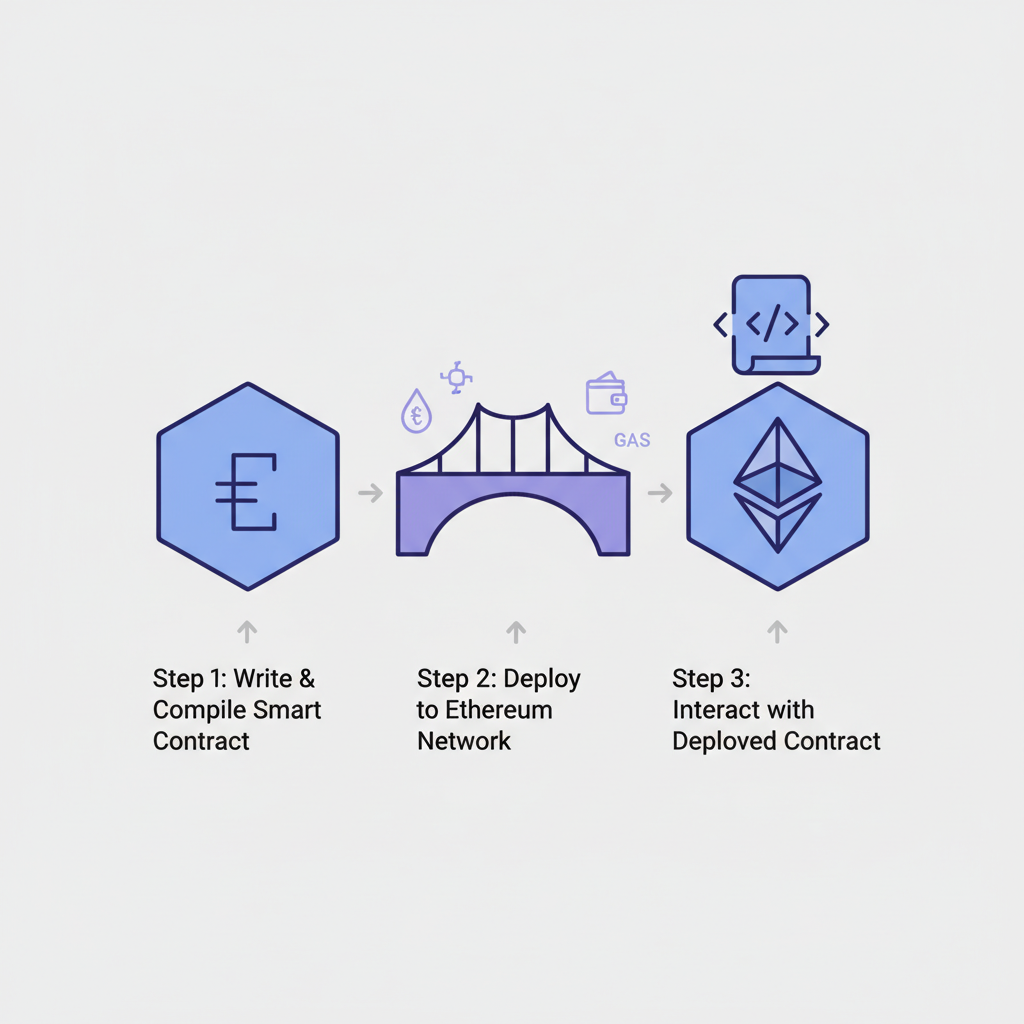
Ethereum integration seals the modular trifecta. Generate a bridge contract using Eclipse's deployment scripts, deploying it to a supported L2 like Optimism or directly to Ethereum. This contract verifies SVM state roots against Celestia DA proofs, posting them for finality. I appreciate how Eclipse streamlines this with pre-audited templates; no need to reinvent Merkle proofs from scratch. Stake your rollup's operator keys to the bridge for slashing protection, ensuring honest behavior aligns with Ethereum's economics.
Example config.toml for Celestia DA and Ethereum Bridge
This example `config.toml` snippet illustrates the key settings for integrating Celestia as the Data Availability (DA) layer and configuring the Ethereum bridge in an Eclipse rollup deployment using Solana VM.
```toml
[data_availability]
provider = "celestia"

[celestia]
rpc_endpoints = ["https://rpc-testnet.celestia.org"]
namespace = "eclipse1"
gas_price = "1000000"
max_payload_size_bytes = 1048576

[settlement_layer]
chain = "ethereum"
chain_id = 1
rpc_url = "https://mainnet.infura.io/v3/YOUR_PROJECT_ID"
private_key = "0xYOUR_PRIVATE_KEY"

[bridge]
ethereum_da_bridge_contract = "0x1234567890abcdef1234567890abcdef12345678"
enabled = true
```
Adjust the RPC endpoints, namespace, gas prices, chain IDs, private keys, and contract addresses to match your environment. Always use secure methods for managing sensitive data like private keys, such as environment variables or secret managers.
Fine-tune sequencer parameters here: batch transactions into blocks every few seconds, optimizing for Solana's Sealevel runtime. Monitor gas estimates; Celestia's low DA fees keep costs under a cent per batch, a fraction of Ethereum calldata expenses. In practice, this setup has powered apps ported from Solana mainnet, like games retaining their snappy feel while inheriting Ethereum's liquidity pools.
Step-by-Step Deployment Guide
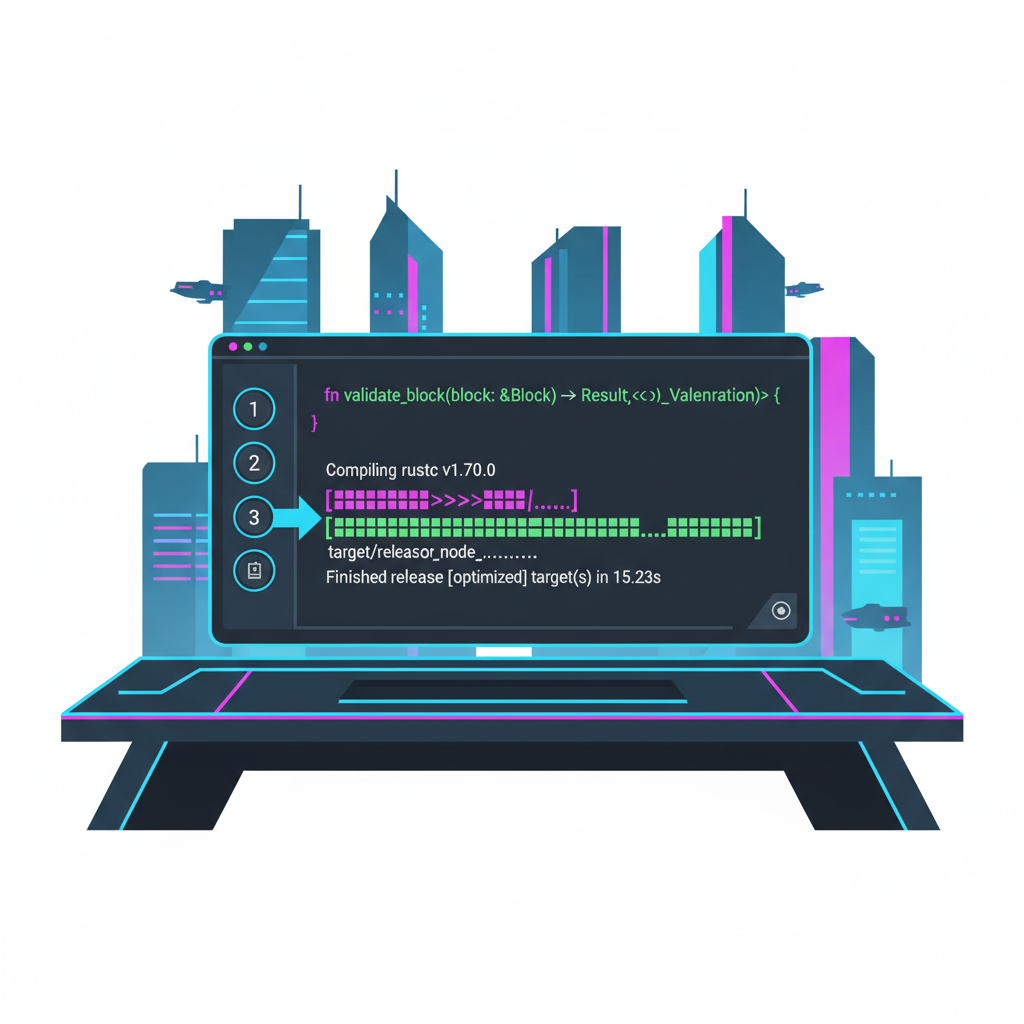
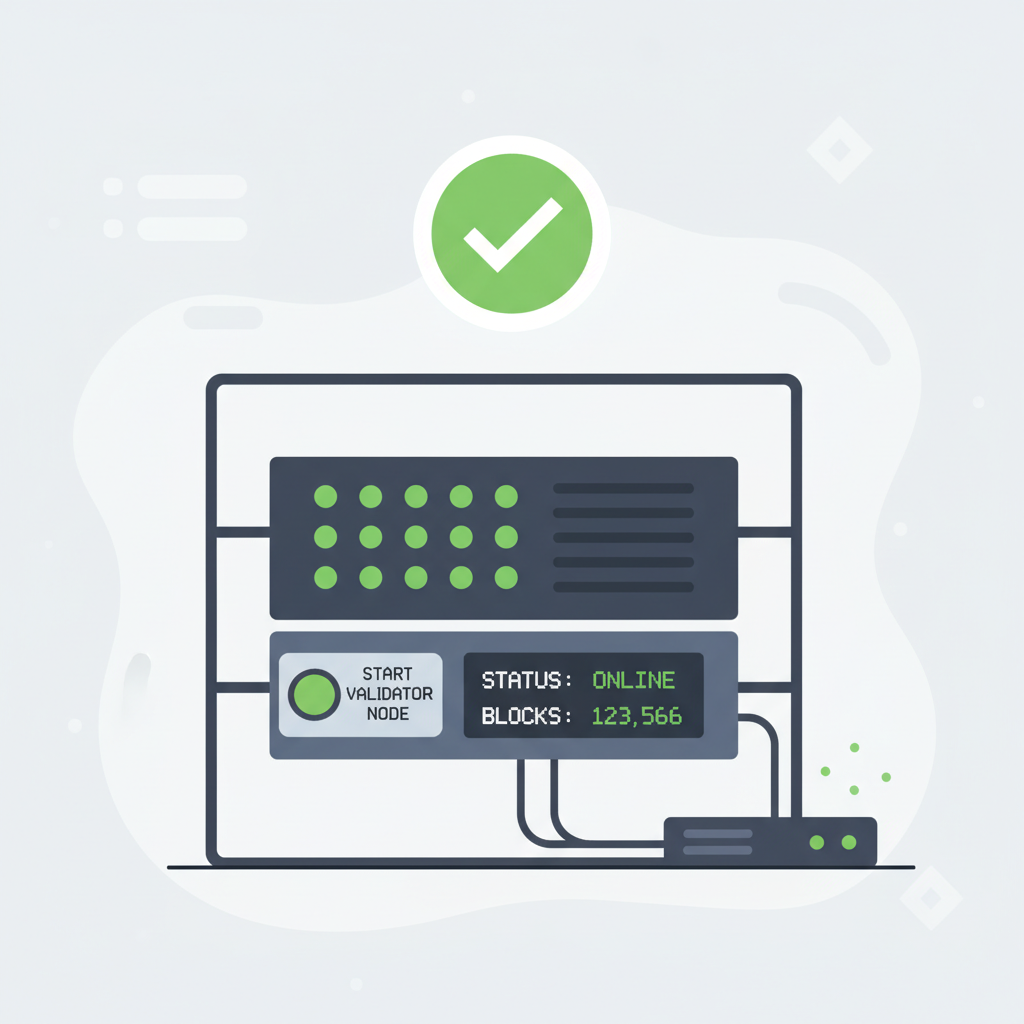
Now, orchestrate the full Eclipse Solana VM setup. From repo root, compile with cargo build --release, then initialize namespaces on Celestia via CLI. Deploy the Ethereum bridge contract using Foundry scripts provided in the repo. Spin up your validator node, connecting it to Eclipse RPCs for syncing. Finally, announce your rollup namespace publicly for indexers and explorers to pick up.
Deploy Eclipse Rollup: Solana VM with Celestia DA – Complete Guide
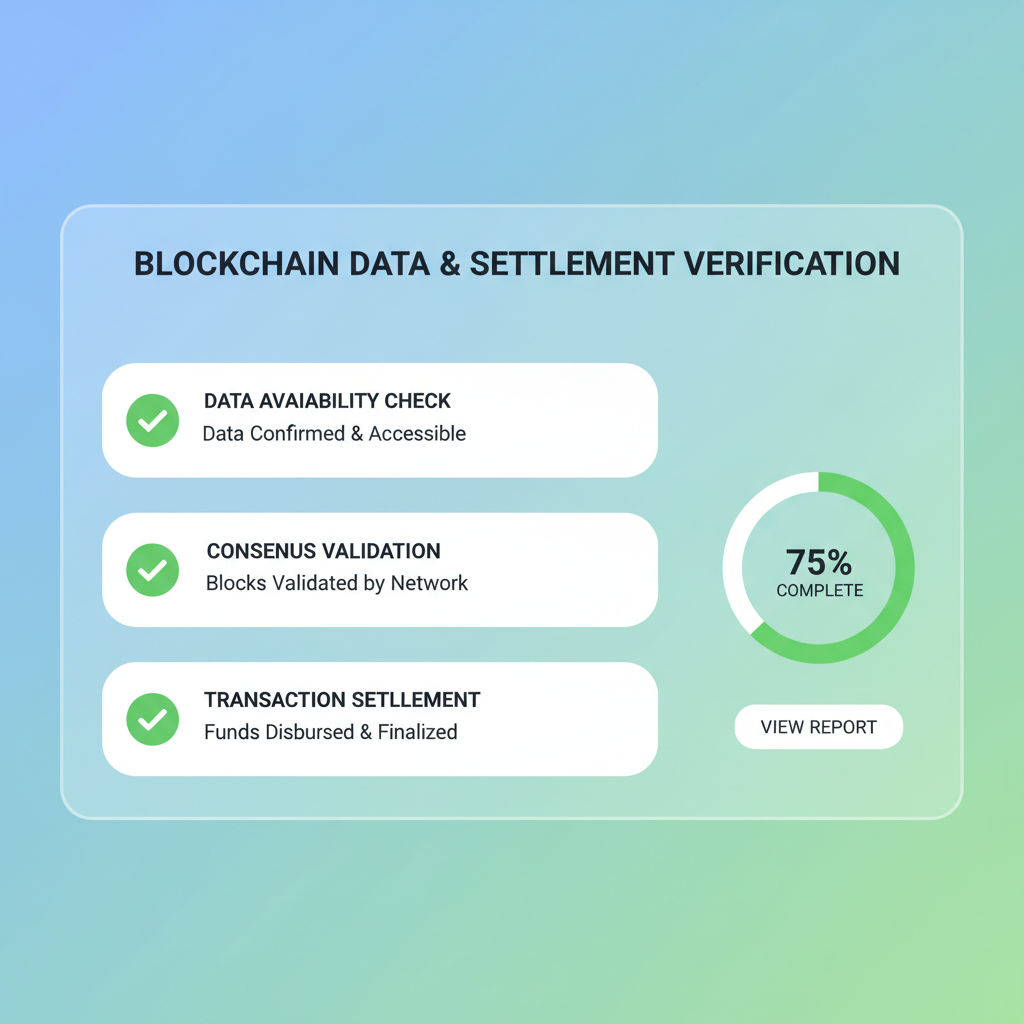
This process, honed through testnet iterations, typically takes under an hour for experienced Solana devs. Tools from the Eclipse awesome list, like modified RPCs and block explorers, let you inspect transactions in real-time. Watch for sync lags or proof delays; they're rare but fixable by bumping hardware or tweaking batch sizes.
Testing and Optimization for Production
Testnet offers a low-stakes playground mirroring mainnet conditions. Deploy a sample dApp- say, a token bridge or DEX fork from Solana- and hammer it with load tests using tools like Solana's bombarder. Verify end-to-end flow: SVM executes, Celestia posts data, Ethereum settles. Metrics to track include TPS nearing Solana's peaks, sub-second latency, and DA costs staying minimal.
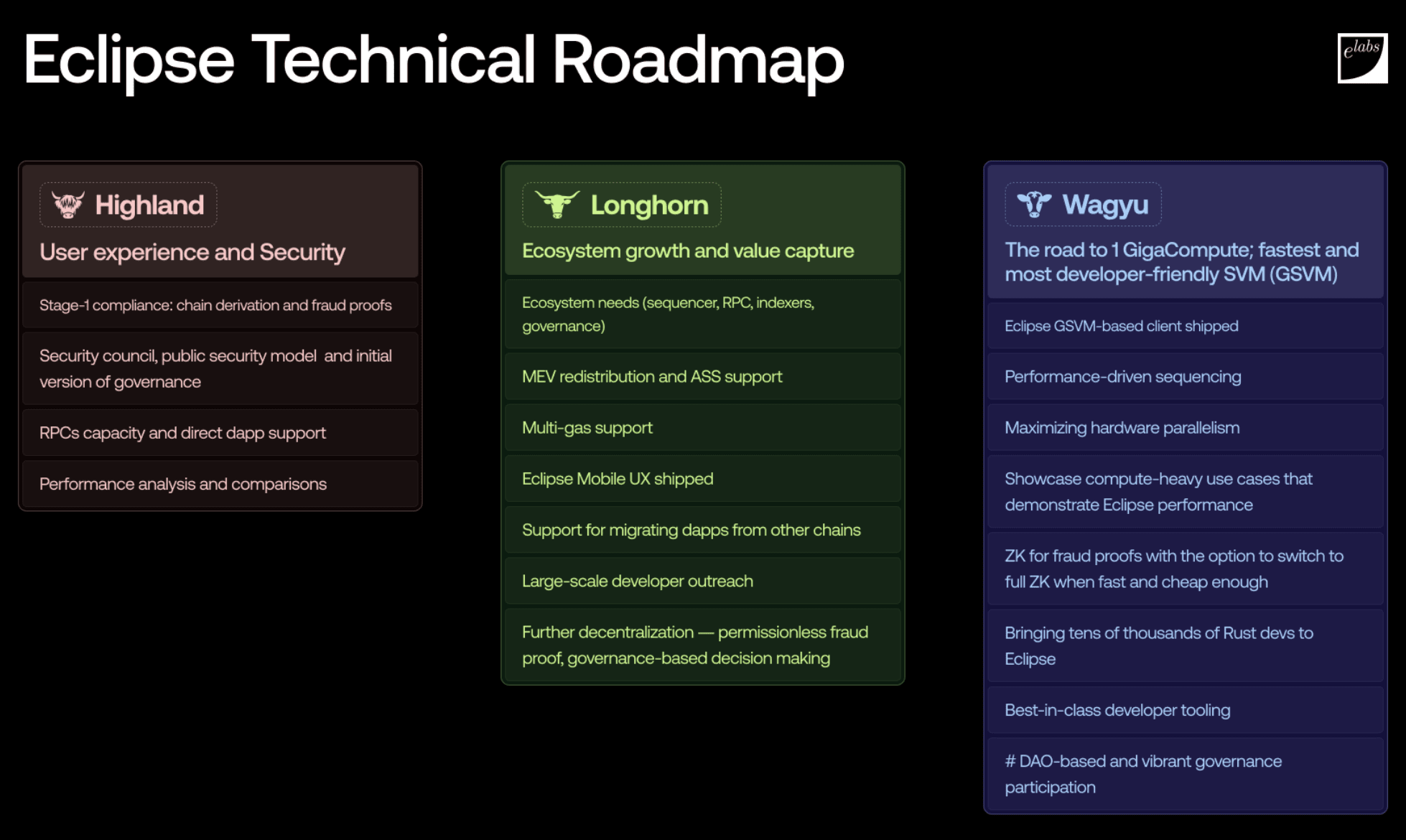
Optimization shines in production prep. Enable parallel transaction execution fully, prune old state for storage efficiency, and integrate IBC for Celestia-native apps. From my analysis, Eclipse's stack outperforms vanilla SVM rollups by outsourcing DA, freeing resources for execution. Real-world benchmarks post-mainnet launch confirm 10k and TPS sustainably, with Ethereum settlement adding composability that Solana alone lacks.
Security audits round out the checklist. Eclipse inherits Solana's battle-tested validator client but layers Celestia proofs and Ethereum fraud proofs. Engage third-party auditors for custom rollups, focusing on bridge invariants and DA sampling. Communities around Rollkit and Eclipse GitHub offer peer reviews, accelerating safe launches.
Deploying on Eclipse redefines modular rollups Eclipse possibilities. Teams gain Solana's developer ergonomics- Rust crates, Anchor framework- atop Ethereum's capital and Celestia's scalability. Whether building high-frequency trading bots or viral socialFi, this Eclipse rollup deployment delivers performance without compromises. As mainnet matures, expect a surge in Solana dApps migrating here, blending ecosystems for richer DeFi and beyond.



No comments yet. Be the first to share your thoughts!