
Celestia stands at the forefront of modular blockchain innovation, and whispers of the Hibiscus V7 upgrade in 2026 have developers buzzing. This anticipated network leap promises to unlock single-sig cross-chain transfers, a game-changer for modular rollups seeking seamless interoperability without the friction of multi-signature hurdles. As Celestia (TIA) trades at $0.3320, up $0.0185 or and 0.0592% in the last 24 hours with a high of $0.3368 and low of $0.3134, the market eyes this upgrade as a catalyst for broader adoption.
Recent Celestia Improvement Proposals (CIPs) lay the groundwork. CIP-047 details breaking changes for Hibiscus (v7), linking to specs that hint at enhanced security and efficiency. A dedicated CIP for the v7 Network Upgrade, posted January 21,2026, alongside one for Hyperlane ZK ISM Module, signals focused efforts on cross-chain prowess. While Matcha (v6) scaled blocks to 128MB and slashed inflation, Hibiscus V7 builds on that momentum, targeting rollup ecosystems hungry for fluid asset movement.
Celestia's Upgrade Trajectory Toward Interoperable Rollups
Modular rollups thrive on Celestia's data availability layer, but cross-chain transfers have long demanded cumbersome multi-sig approvals. Enter Hibiscus V7: by enabling single-signature mechanisms, it streamlines transfers between rollups and external chains. Think Ethereum rollups posting data to Celestia, then bridging TIA or other assets back with one sig - no validator quorums slowing the pace. This aligns with Celestia's vision of 10,000 rollups, as team members have shared in podcasts like Unchained.
Previous upgrades like Lotus integrated Hyperlane natively, letting TIA flow to Base and Arbitrum effortlessly. Lemongrass boosted IBC with Packet Forwarding Middleware. Hibiscus V7 takes it further, potentially incorporating ZK proofs for trust-minimized single-sig ops.
The push for 1GB blocks, outlined in roadmaps, complements this. Larger blocks mean cheaper data for rollups, while single-sig transfers reduce bridging costs - a double win for scalability. Developers deploying on Celestia, as guides from Everstake detail, will find V7 a boon for production apps.
Unpacking Single-Sig Transfers: Security Meets Speed
Single-sig cross-chain transfers replace multi-party computations with a solitary, verifiable signature, often backed by ZK ISMs or trusted execution. For modular rollups, this means faster finality. A rollup on Celestia can execute a transfer to Solana or Polygon with one operator sig, verified on-chain via Hyperlane or IBC enhancements. Security? CIP-047's breaking changes address vulnerabilities, echoing the v6.4.5 patch that fixed median timestamp issues.
Critically, this lowers barriers for L2s and L3s. Rollups using Celestia for DA avoid validium trade-offs, gaining on-chain guarantees plus swift interoperability. Bridges like Wormhole or Across dominate 2026 lists, but native single-sig in Hibiscus V7 could render them obsolete for Celestia ecosystems.
Celestia (TIA) Price Prediction 2027-2032
Post-Hibiscus V7 Upgrade Outlook: Boost from Single-Sig Cross-Chain Transfers, 1GB Blocks, and Rollup Interoperability
| Year | Minimum Price | Average Price | Maximum Price |
|---|---|---|---|
| 2027 | $0.60 | $1.40 | $3.00 |
| 2028 | $1.00 | $2.80 | $6.00 |
| 2029 | $1.50 | $4.50 | $10.00 |
| 2030 | $2.20 | $7.00 | $15.00 |
| 2031 | $3.50 | $11.00 | $22.00 |
| 2032 | $5.00 | $16.00 | $30.00 |
Price Prediction Summary
Celestia (TIA) is forecasted to experience strong growth from 2027-2032, starting from a 2026 baseline around $0.75 average amid current $0.33 pricing. The Hibiscus V7 upgrade's interoperability enhancements and scalability could drive average prices from $1.40 in 2027 to $16.00 by 2032, with bullish maxima up to $30.00 assuming rollup adoption surges. Bearish minima account for market cycles and competition, ensuring realistic ranges for investors.
Key Factors Affecting Celestia Price
- Hibiscus V7 upgrade enabling single-sig cross-chain transfers for modular rollups
- Scaling to 1GB blocks for higher data throughput and lower fees
- Integration with Hyperlane and IBC for seamless interoperability
- Rising adoption of Celestia as DA layer for Ethereum rollups and L2s
- Crypto market cycles, with potential bull runs post-2028
- Regulatory developments favoring modular blockchains
- Reduced inflation and improved economics from prior upgrades like Matcha v6
- Competition from other DA solutions and general market volatility
Disclaimer: Cryptocurrency price predictions are speculative and based on current market analysis. Actual prices may vary significantly due to market volatility, regulatory changes, and other factors. Always do your own research before making investment decisions.
Why Modular Rollups Need This Now
In a rollup-centric world, Ethereum's roadmap spawned fragmentation. Celestia counters with shared DA, but liquidity silos persist. Hibiscus V7's single-sig fix unifies them. Imagine a DeFi rollup settling trades cross-chain in seconds, or gaming L3s porting NFTs effortlessly. Tatum's 2026 upgrade watchlist flags this as pivotal, alongside Polygon and Sui moves.
Builders benefit most: deploy once, transfer anywhere. Epicenter podcasts highlight lazy bridging and rollup interoperability as Celestia's edge. With TIA at $0.3320, steady amid upgrades, V7 could ignite momentum. Yet balance tempers hype - execution risks linger, as with any spec-heavy upgrade.
Cross-chain isn't just tech; it's economic. Reduced fees from 1GB blocks pair with single-sig speed, drawing volume to Celestia rollups. Blockscape Lab's Lotus analysis nailed modular design's promise; V7 delivers on interoperability's toughest nut.
That economic pull could reshape liquidity flows across modular ecosystems. Rollups on Celestia already benefit from shared data availability, but Hibiscus V7's single-sig transfers eliminate the last friction point, making cross-chain a native feature rather than a bolted-on bridge.
Developer Tools and Deployment in the V7 Era
For builders eyeing Celestia V7 upgrade rollups, the upgrade sharpens deployment pipelines. Guides like Everstake's walk through rollup setup on Celestia, but V7 adds single-sig primitives directly into the stack. Developers can now script transfers using Hyperlane ZK ISM modules, proposed in recent CIPs, for verifiable, low-latency moves. Pair this with 1GB block scaling, and costs plummet - ideal for high-throughput apps like DeFi aggregators or AI inference layers.
Key Single-Sig Benefits
- Faster Finality: Single-sig transfers streamline cross-chain confirmations for modular rollups, reducing latency compared to multi-sig processes, building on Celestia's scalability upgrades like 128MB blocks in Matcha v6.
- Lower Fees: Eliminates overhead from multi-party signatures, combined with Celestia's block scaling to 128MB in Matcha v6, minimizing costs for rollup data availability and transfers.
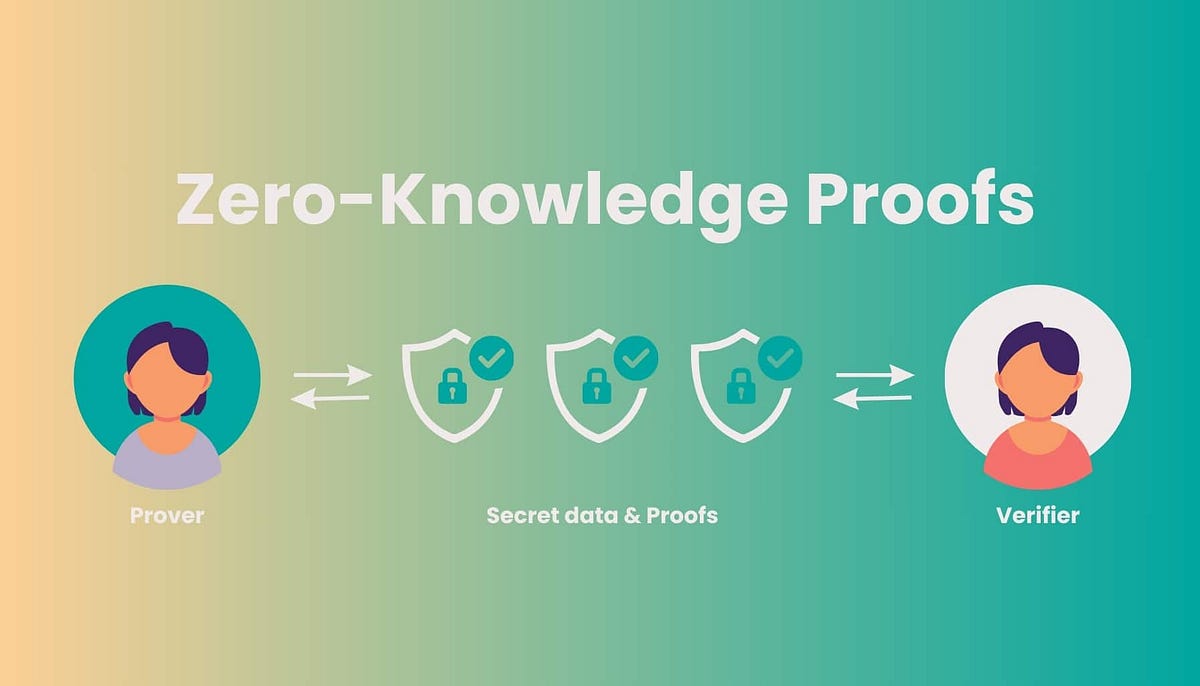
- ZK Security: Leverages Hyperlane's ZK ISM module (proposed CIP) for zero-knowledge proofs, ensuring secure single-sig verification without trusting intermediaries.
- Native Hyperlane Integration: Lotus upgrade enables seamless TIA bridging to Ethereum, Base, and Arbitrum, simplified further with single-sig for rollups.
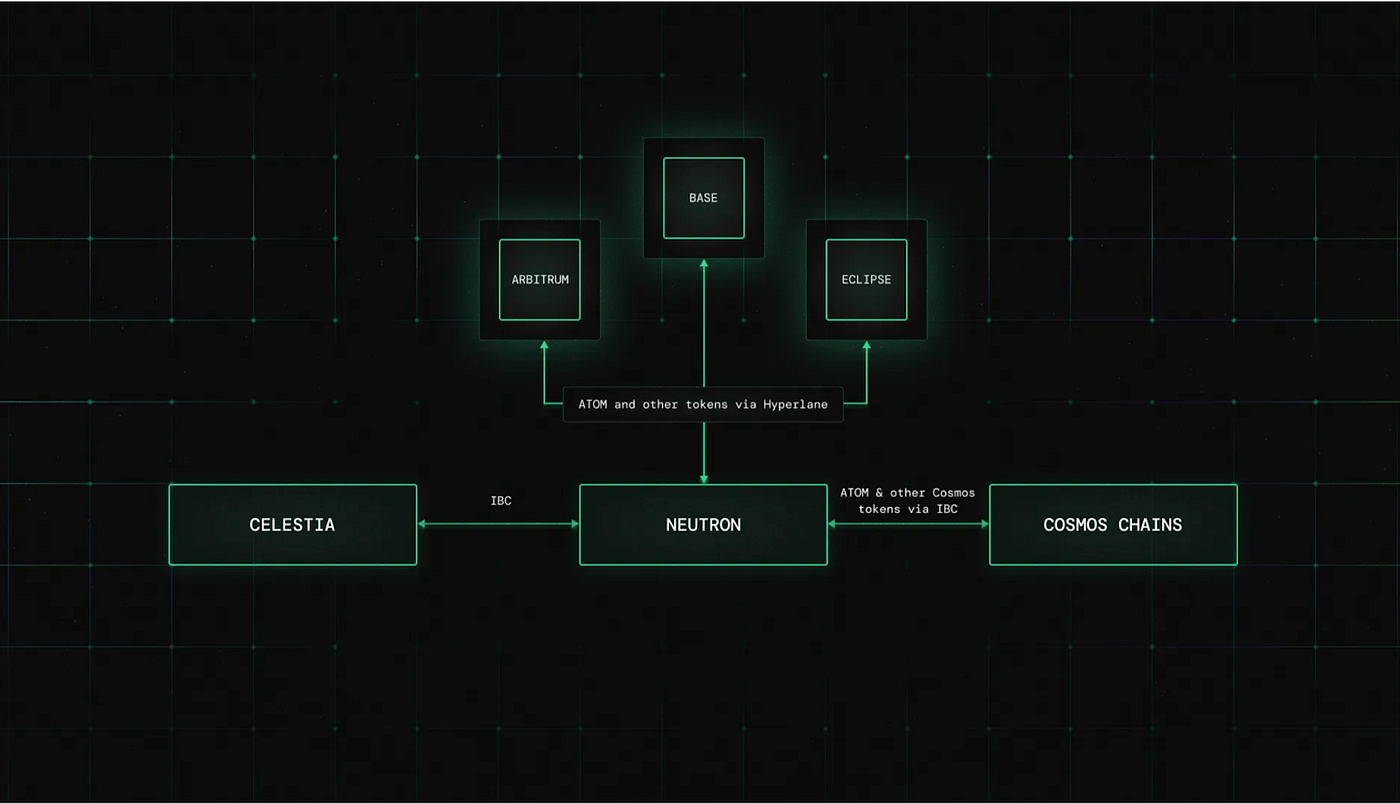
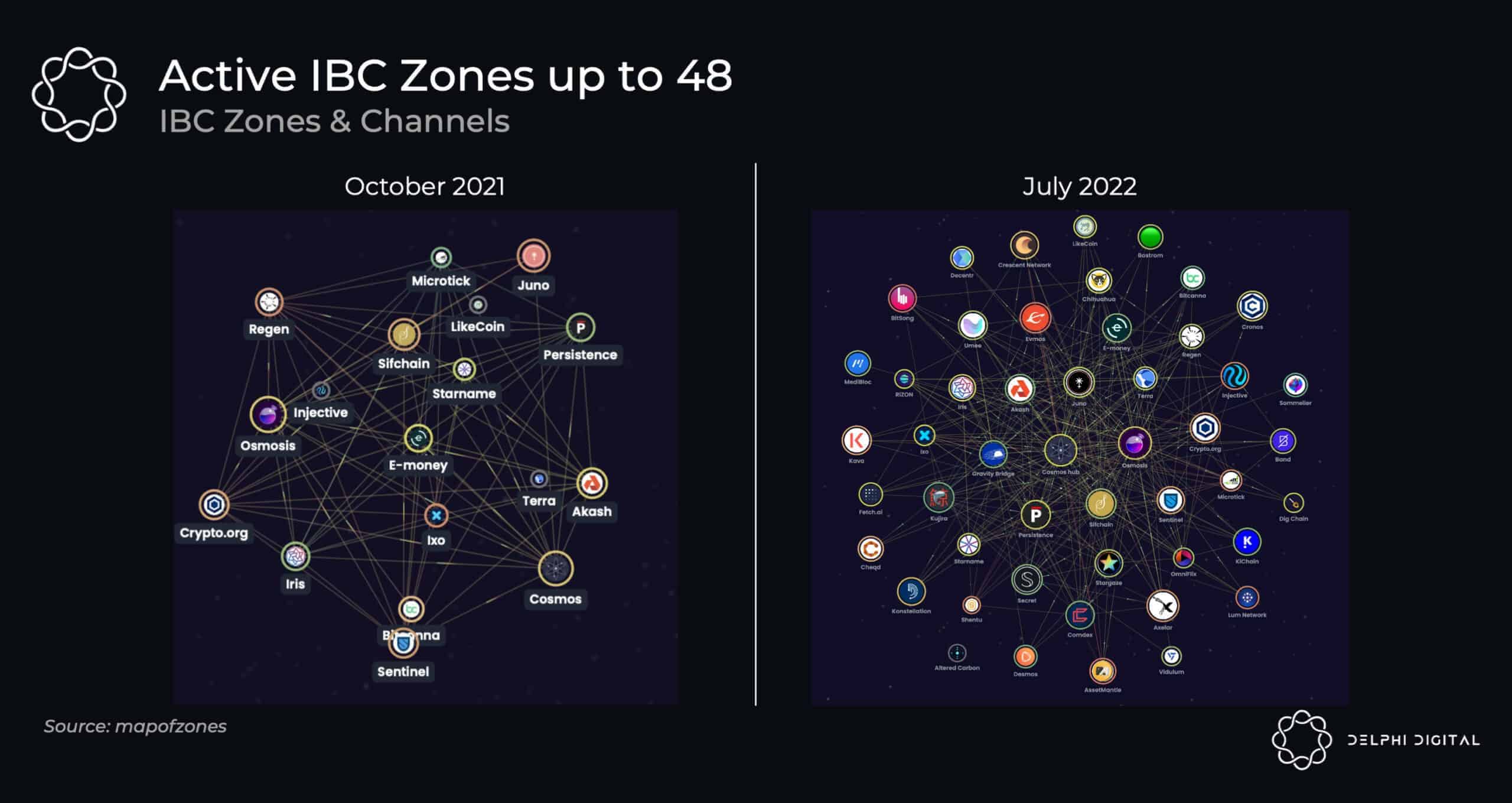
- IBC Enhancements: Builds on Lemongrass PFM and Matcha token filter removals for efficient, reliable cross-chain messaging in Cosmos ecosystem.
These advancements position Celestia ahead of rivals chasing similar interoperability. While bridges like Wormhole handle general cross-chain transfers in 2026, Celestia's native approach for rollups cuts out middlemen, reducing exploit surfaces seen in past incidents.
The Epicenter discussion underscores Celestia's bet on thousands of rollups, where single-sig mechanics enable lazy bridging - proofs generated on-demand without upfront computation. This fits modular rollups perfectly, letting them post data cheaply to Celestia then fan out assets via one signature.
Risks and Realistic Expectations: Balanced Rollup Roadmap
No upgrade sails smoothly. Hibiscus V7's breaking changes, detailed in CIP-047, demand node operators upgrade promptly to avoid forks. Security patches like v6.4.5's timestamp fix remind us vigilance matters. Single-sig relies on robust ISMs; a ZK flaw could cascade. Yet Celestia's track record - Lotus for Hyperlane, Lemongrass for PFM - builds confidence. With TIA holding at $0.3320, up 0.0592% over 24 hours from a low of $0.3134 to high of $0.3368, the market prices in measured optimism.
| Upgrade | Date | Key Feature | Impact on Rollups |
|---|---|---|---|
| Matcha (v6) | Sep 2025 | 128MB blocks | Scalability boost |
| Lotus | Jun 2025 | Hyperlane native | Cross-chain TIA |
| Hibiscus (v7) | 2026 | Single-sig transfers | Interoperability leap |
This trajectory shows deliberate progress. Modular rollups gain most: deploy on Celestia, tap single-sig for Celestia cross-chain transfers 2026, scale with 1GB blocks. Gaming, socialFi, or RWAs - all unlock fluid liquidity.
Economically, TIA's steady $0.3320 reflects upgrade anticipation without froth. Inflation cuts and issuance tweaks from Matcha stabilize supply, while V7's utility draw demand. In a fragmented L2 landscape, Celestia's modular rollups interoperability via single-sig stands out. Builders win with simpler stacks; users with seamless txs. As 2026 unfolds, Hibiscus V7 cements Celestia as the DA backbone for rollup proliferation.



No comments yet. Be the first to share your thoughts!