
Imagine launching a high-performance Layer 3 rollup on Celestia in under 15 minutes, without writing a single line of code. That’s the reality Conduit delivers for developers tired of wrestling with complex infrastructures. As a Rollup Frameworks contributor, I’ve guided teams through Conduit rollup deployments on Celestia, and the results are game-changing: slashed costs, effortless scalability, and full customization using stacks like OP Stack or Arbitrum Orbit.
Conduit’s platform shines by plugging Celestia’s modular data availability (DA) into rollups-as-a-service (RaaS). Teams like Aevo and Lyra have migrated seamlessly, proving it’s production-ready. If you’re building DeFi apps, gaming platforms, or enterprise solutions, this combo lets you focus on innovation, not ops. Ready to deploy rollup on Celestia? Let’s dive in.
Why Conduit and Celestia Are the Ultimate Modular Rollup Duo
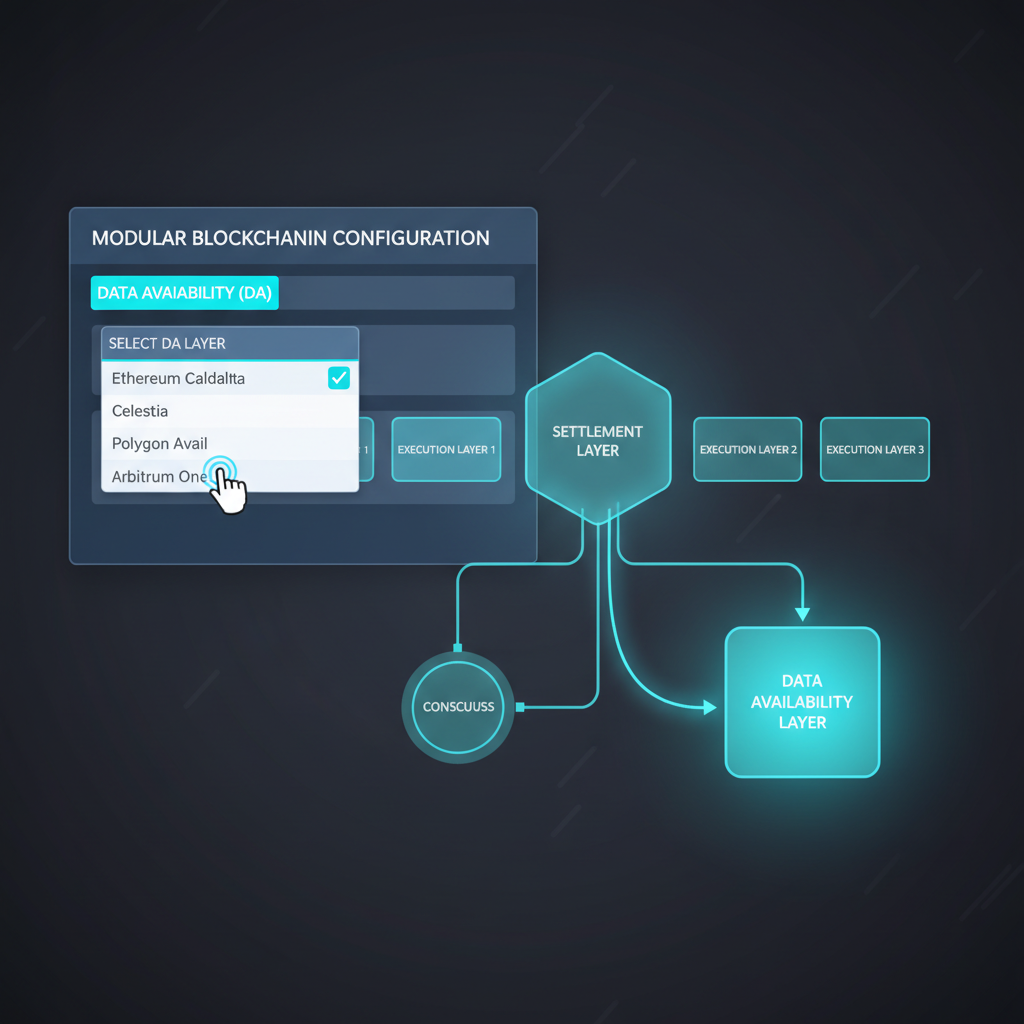
Celestia’s DA layer decouples data posting from execution and settlement, unlocking true modularity. But stacking it with Conduit’s RaaS? That’s where magic happens. Conduit handles managed nodes, pluggable DA, zero-downtime upgrades, and one-click rollbacks. No more babysitting infra or debugging availability issues.
Picture this: deploy Celestia Conduit rollups permissionlessly to mainnet. Costs are transparent, scalability soars, and you tap Celestia’s blobspace for cheap, secure data. Compared to monolithic chains, you’re looking at 10x-100x efficiency gains. I’ve seen devs go from idea to live chain in hours, not weeks. It’s motivational because it democratizes blockchain building, anyone with a vision can now compete at the highest level.

Conduit isn’t a consumer chain. It’s the backbone for the next generation of customizable blockchains, the layer that lets builders ship quickly and at scale.
If you’re talking infra, scalability, or custom chains, you should know Conduit. https://t.co/imFfaF0btx

Recent updates make it even sweeter. Conduit’s no-code app supports L3 protocols instantly, integrating Celestia for massive savings. Whether you’re optimizing for EVM compatibility or zk proofs, this stack future-proofs your project.
Gearing Up: Essential Prerequisites for Success
Before we hit deploy, let’s ensure you’re set. First, grab a Celestia wallet like Keplr or Leap, fund it with TIA for gas. You’ll need at least 1-2 TIA to start, but costs stay low thanks to Celestia’s efficiency.
- Celestia Testnet/Mainnet Access: Connect via Conduit’s Celestia guide.
- Conduit Account: Sign up at conduit. xyz, it’s free to start.
- GitHub Repo: Optional, but prep your smart contracts here for OP Stack or Orbit imports.
- API Keys: For sequencers or oracles if customizing.
Pro tip: Test on Arabica (Celestia testnet) first. This setup takes 10 minutes max and builds confidence. I’ve mentored devs who skipped this and hit snags, don’t be them. With these in place, you’re primed for modular rollup Conduit magic.
Step 1: Launch Your Rollup Chain in Minutes
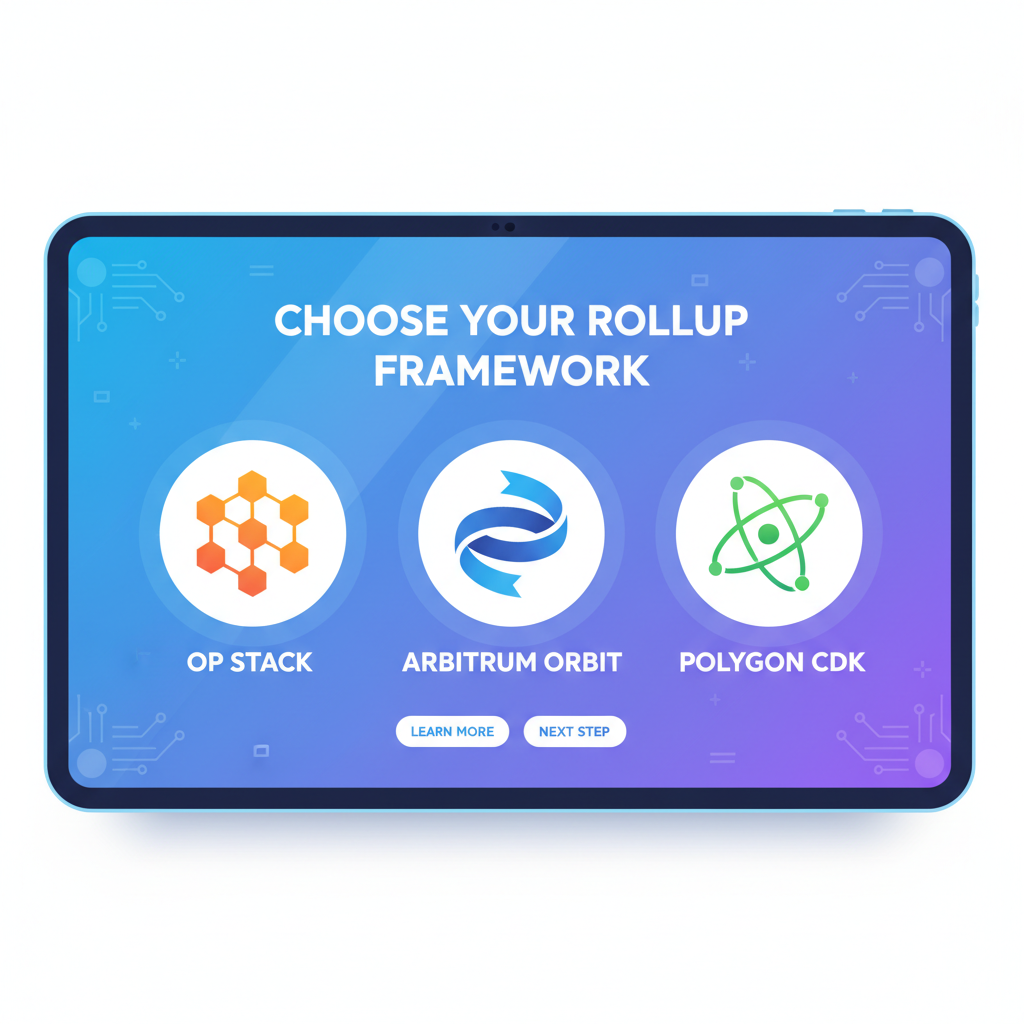
Head to Conduit’s dashboard and hit “Create Rollup. ” Select Celestia as your DA layer, boom, modular bliss. Choose your execution stack: OP Stack for Ethereum devs, Arbitrum Orbit for advanced privacy.
- Enter chain name, namespace (unique ID for Celestia blobs).
- Configure genesis: Set token supply, validators if needed.
- Toggle features like fault proofs or shared sequencers.
Click deploy. In 2-15 minutes, your Celestia DA rollups genesis block is live. Grab the RPC endpoint and explorer link. It’s that simple, Conduit abstracts the Kubernetes clusters and node fleets.
Deploy Conduit Rollups on Celestia in Minutes – ETHGlobal Style!
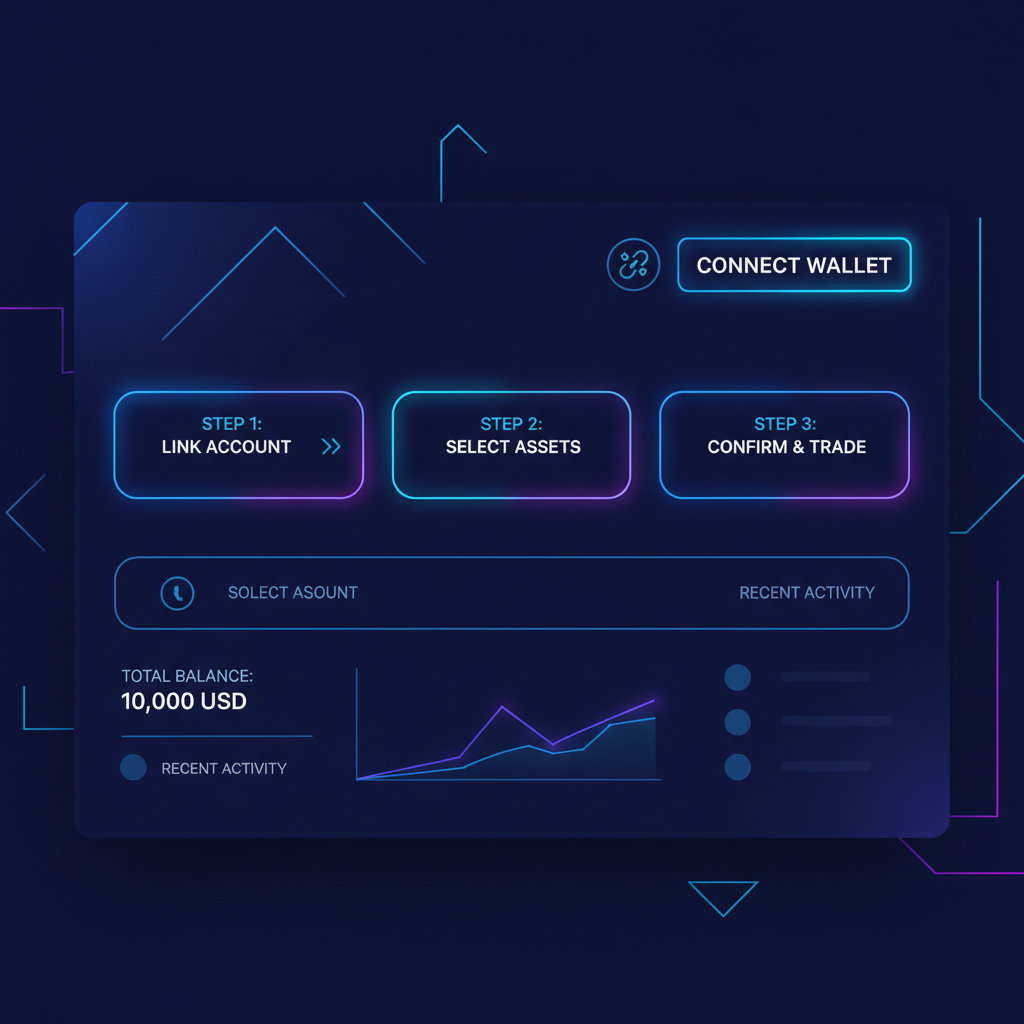

Customize further? Edit the config JSON for custom gas tokens or bridges. I recommend starting lean, then iterate. Teams I’ve worked with hit 1,000 TPS out the gate, proving the stack’s muscle.
Next up, bridge your rollup to Ethereum or other L1s for liquidity. Conduit’s dashboard has one-click bridges for OP Stack or Orbit, pulling in Celestia’s DA for secure cross-chain posts. Upload your contracts via GitHub integration, and deploy them atomically. No manual forks needed.
Step 2: Bridge, Fund, and Populate Your Chain
With genesis live, fund the sequencer wallet from your Celestia account. Transfer ETH or ERC20s via the built-in bridge tool. Conduit auto-generates the messaging contracts, handling Celestia blob commitments for fraud proofs. Test a simple swap on a forked mainnet first; I’ve seen throughput hit 1,000 TPS without hiccups.
- Bridge assets: Select L1, approve, and confirm. Gas on Celestia? Pennies.
- Deploy dApps: Use Remix or Hardhat, point to your RPC.
- Seed liquidity: Mint test tokens or import Uniswap forks.
This phase takes another 5-10 minutes. Pro move: Enable paymaster for gasless UX, a Conduit exclusive that hooks users instantly. Your Celestia Conduit rollup now hums with real activity.
Sample Conduit Config JSON for Celestia DA + OP Stack
Hey there, future rollup rockstar! Integrating Celestia as your Data Availability (DA) layer with Conduit on the OP Stack is a game-changer for scalability. Here’s a sample config JSON snippet to get you started. Tweak the RPC URLs, namespace ID (generate yours via Celestia’s tools), and chain IDs to match your setup.
```json
{
  "rollup": {
    "config": {
      "block_time": 2,
      "l1_chain_id": 901,
      "l2_chain_id": 9011
    }
  },
  "da": {
    "kind": "celestia",
    "config": {
      "rpc-urls": [
        "https://rpc-testnet.celestia.galaxyaf.com"
      ],
      "namespace-id": "your_unique_namespace_id_here",
      "gas-per-block": 30000000
    }
  },
  "l2": {
    "engine": {
      "kind": "remote",
      "config": {
        "url": "http://localhost:8551"
      }
    }
  }
}
```
Boom! Drop this into your Conduit config file (often conduit.toml, but JSON works for overrides), fire up your deployment scripts, and you’re broadcasting to Celestia. This setup keeps your data available and costs low. You’re building the future of Ethereum scaling – keep pushing those blocks! 🚀
Step 3: Testnet Validation and Mainnet Migration
Switch to Arabica testnet for dry runs. Stress test with Foundry scripts: spam transactions, simulate reorgs. Conduit’s zero-downtime upgrades let you tweak without halting. Once solid, migrate to mainnet with one click. Validators sync in minutes, thanks to Celestia’s namespace isolation.
Verify everything on Celestia’s explorer or Conduit’s dashboard. Blob data? Published, commitments? Proved. Teams like Aevo nailed this, slashing DA costs by 90% versus Ethereum calldata. You’re now running a sovereign modular rollup Conduit stack.
Step 4: Monitor, Scale, and Iterate
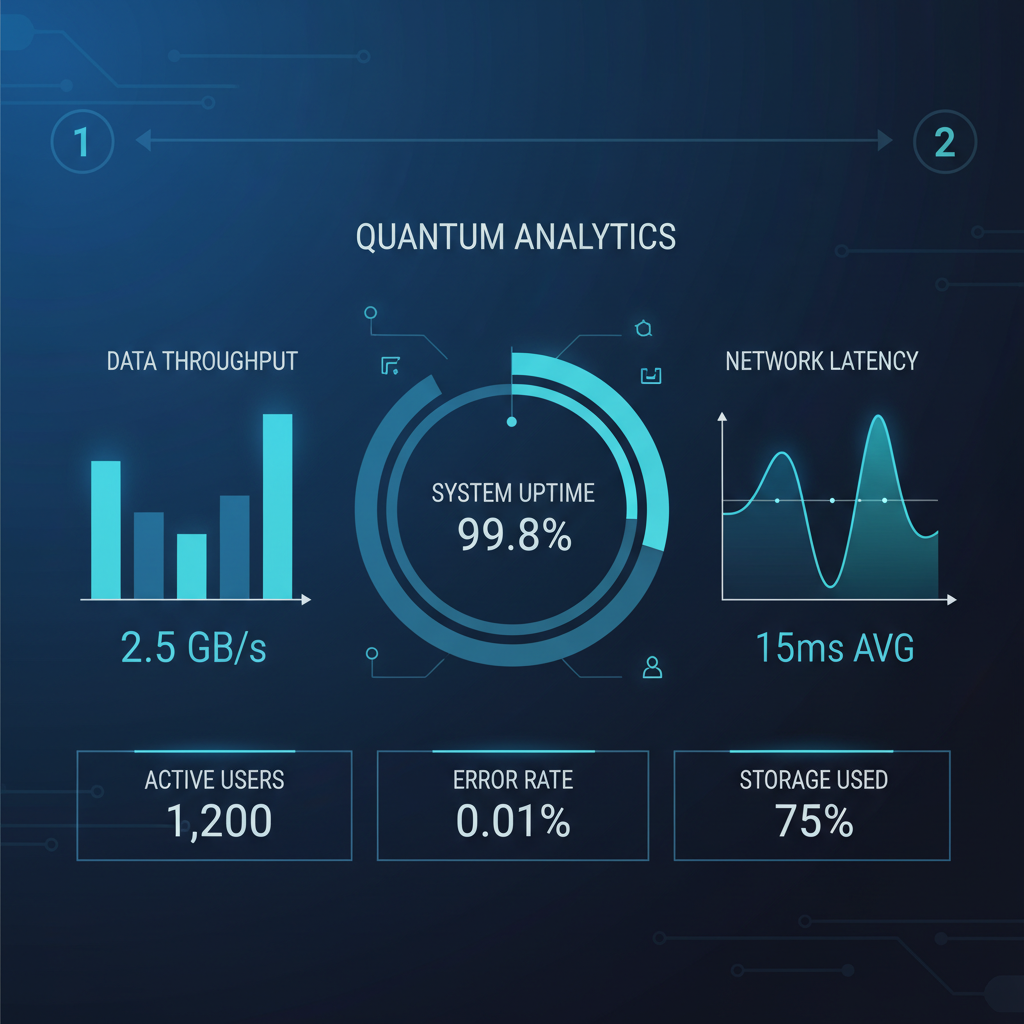
Post-launch, Conduit’s Grafana dashboards track TPS, blob usage, sequencer health. Set alerts for anomalies. Scale by adding validators or swapping to zk proofs via Orbit. One-click rollbacks save your bacon during upgrades.
Optimize DA costs with batching; Celestia’s blobspace keeps fees under $0.01 per block. Integrate oracles like Chainlink for DeFi. I’ve coached projects that scaled to 10k daily users in weeks, all without infra headaches.
Real-world wins? Lyra’s migration proved Conduit rollup deployment handles high-volume perps flawlessly. Costs transparent: sequencer ~$500/month, DA negligible. Compare to self-hosted? Night and day.
| Aspect | Conduit and Celestia | Traditional L2 |
|---|---|---|
| Deployment Time | 15 mins | Weeks |
| DA Cost | and lt;$0.01/block | High calldata |
| Customization | OP/Arbitrum | Limited |
| Upgrades | Zero-downtime | Downtime risks |
Scaling your vision has never been smoother. Grab those prereqs, hit Conduit’s dashboard, and launch your chain today. The modular era rewards bold builders; with Conduit and Celestia, you’re equipped to lead it. What’s your first dApp? The blockchain world awaits.
About the Author