
Hybrid rollups are rapidly emerging as the linchpin of modular blockchain usability in 2025, bridging gaps that previously limited mainstream adoption and developer agility. As digital asset revenues soar to €91.3B globally, the modular approach, separating execution, consensus, and data availability, has proven essential for scaling decentralized applications. Yet, the true leap forward comes with hybrid rollups, which fuse optimistic and zero-knowledge (ZK) technologies to offer both flexibility and robust security.
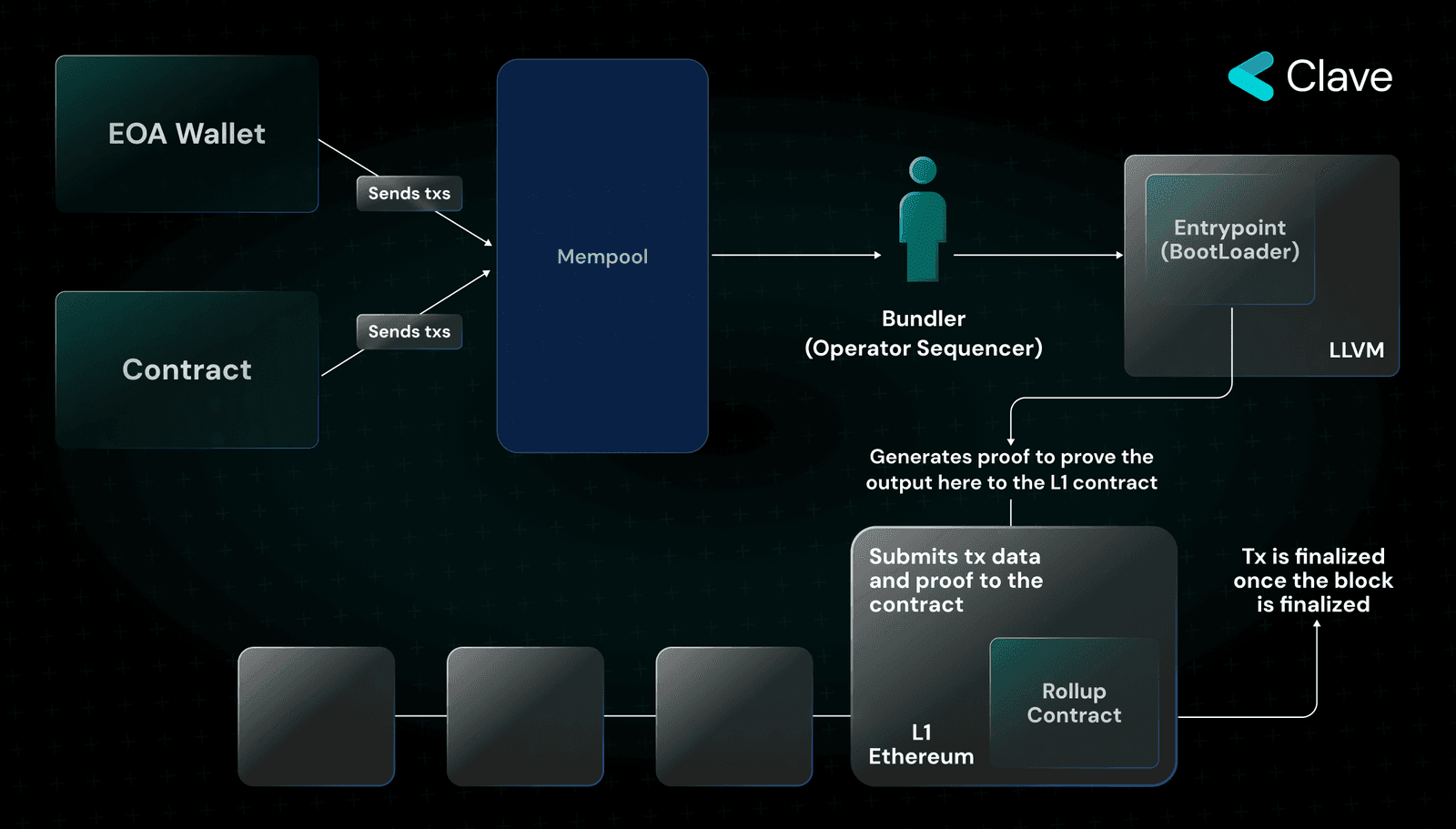
Hybrid Rollups: The Best of Both Worlds
Traditional rollup designs have forced developers to make difficult trade-offs. Optimistic rollups deliver high throughput by assuming transactions are valid unless challenged, but they introduce delays due to fraud-proof windows. ZK rollups, meanwhile, guarantee instant finality and cryptographic integrity but at a higher computational cost. Hybrid rollups elegantly combine these paradigms: transactions can be processed quickly like optimistic systems, yet critical operations benefit from ZK proofs for immediate settlement.
This means developers can now build applications where users choose between fast confirmation with lower fees or instant finality with premium pricing, a level of flexibility that was previously unattainable in blockchain design.
Why Modular Blockchains Need Hybrid Rollups
The modular revolution is not just a technical trend, it is a necessity for handling today’s transaction volumes and regulatory standards. By splitting core functions into separate layers, modular blockchains like Celestia empower developers to launch custom execution environments without building consensus or data availability from scratch. However, this separation also introduces new challenges around interoperability, scalability, and user experience.
Hybrid rollups address these pain points directly:
- Scalability: Offloading computation to the rollup layer massively increases throughput on the base chain while keeping fees predictable.
- Security: The integration of ZK proofs ensures that even in adversarial conditions, transaction validity is mathematically enforced.
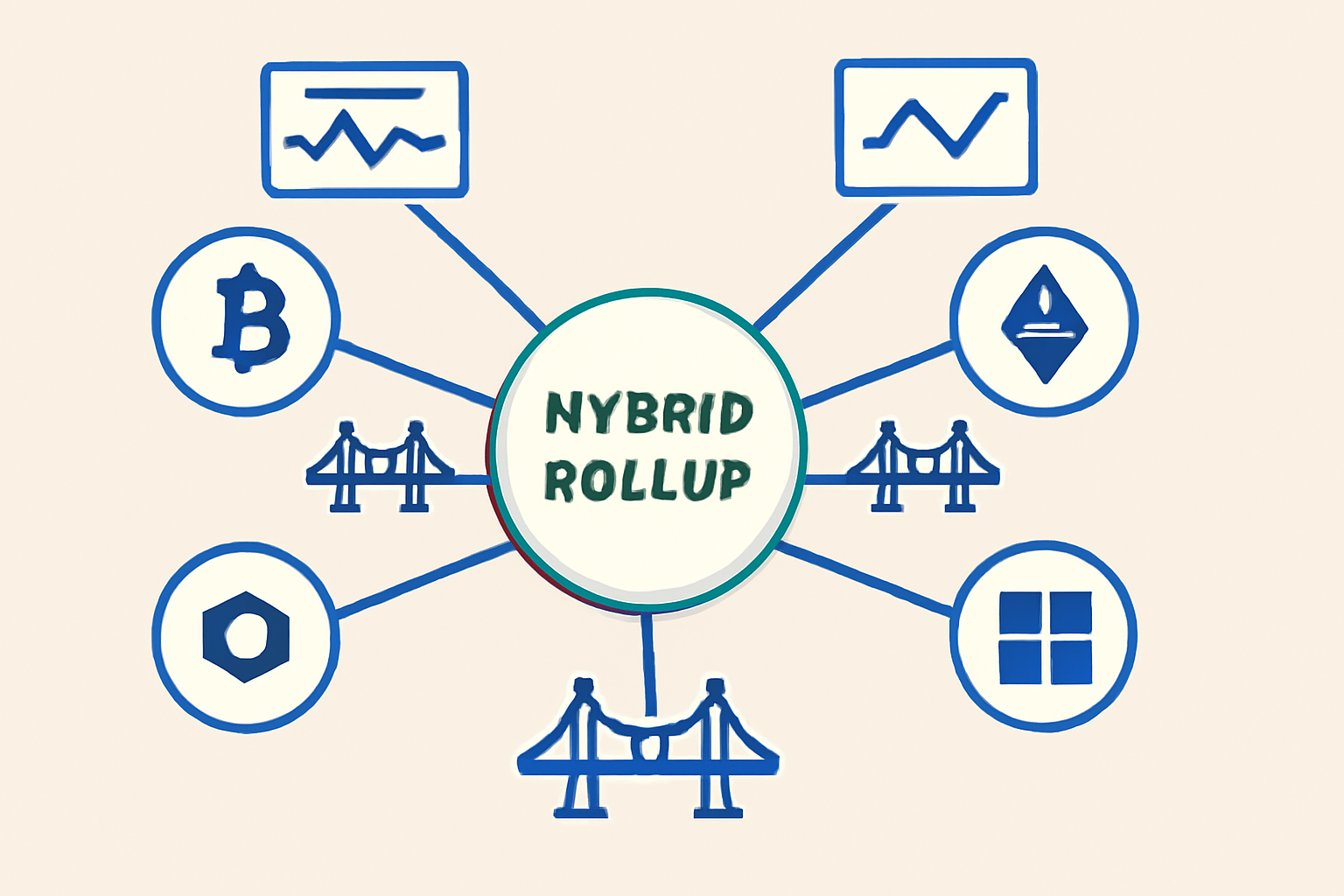
- Interoperability: Hybrid architectures can bridge assets and data across multiple Layer 1s, reducing fragmentation and supporting composable dApps.
This evolution is particularly relevant as enterprise adoption surges in regulated markets; businesses demand both performance and auditability from their blockchain infrastructure (more on why 2025 is pivotal for specialized chains).
The Developer’s Toolkit: Frameworks Leading the Charge
The practical implementation of hybrid rollups is now within reach thanks to a new generation of frameworks:
- Celestia: Enables deployment of execution environments atop its modular data availability layer, ideal for projects seeking robust consensus without managing their own validator networks.
- Eclipse: Offers customizable execution environments that let teams fine-tune performance and security parameters according to their application’s needs.
- Conduit: Provides a managed “rollup-as-a-service” experience that abstracts away infrastructure headaches so builders can focus on product innovation (see practical insights from leading frameworks here).
This toolkit gives developers unprecedented choice, and responsibility, in architecting secure, scalable dApps tailored for real-world use cases in finance, gaming, supply chain management, and beyond.
As hybrid rollups become foundational to the modular blockchain stack, developers are discovering new patterns and best practices for maximizing both usability and performance. The ability to select between optimistic and ZK pathways at the transaction level not only optimizes user experience but also enables dynamic fee markets and novel business models. This flexibility is crucial as decentralized applications compete with traditional web platforms for mainstream adoption in 2025.
Key Benefits for Developers Using Hybrid Rollups
- Massive Scalability Gains: Hybrid rollups offload execution from the base layer, enabling significantly higher transaction throughput and lower network congestion for decentralized applications.
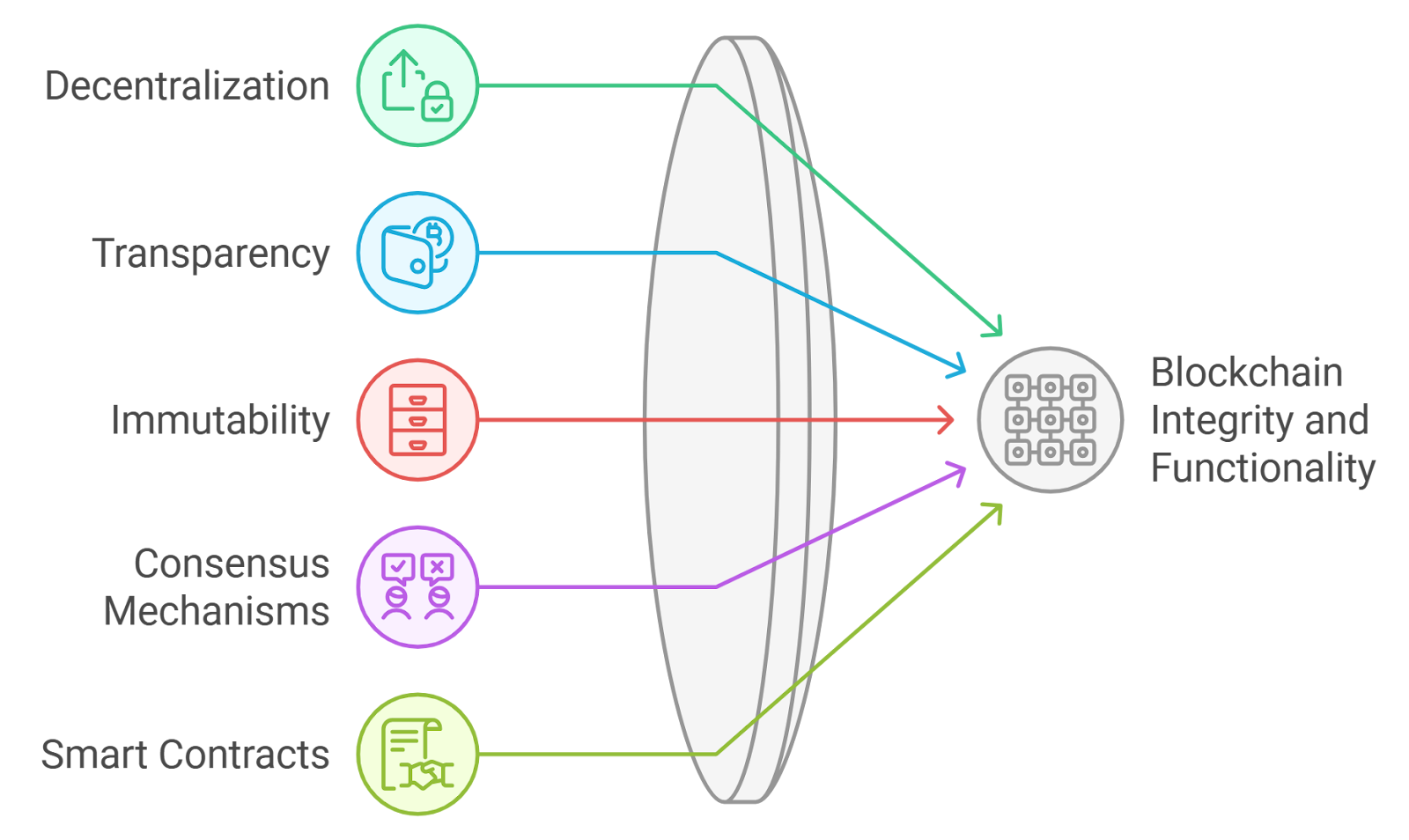
- Enhanced Security with ZK Proofs: By integrating zero-knowledge cryptographic proofs, hybrid rollups ensure tamper-proof transaction validation and reduce the risk of fraud or malicious activity.
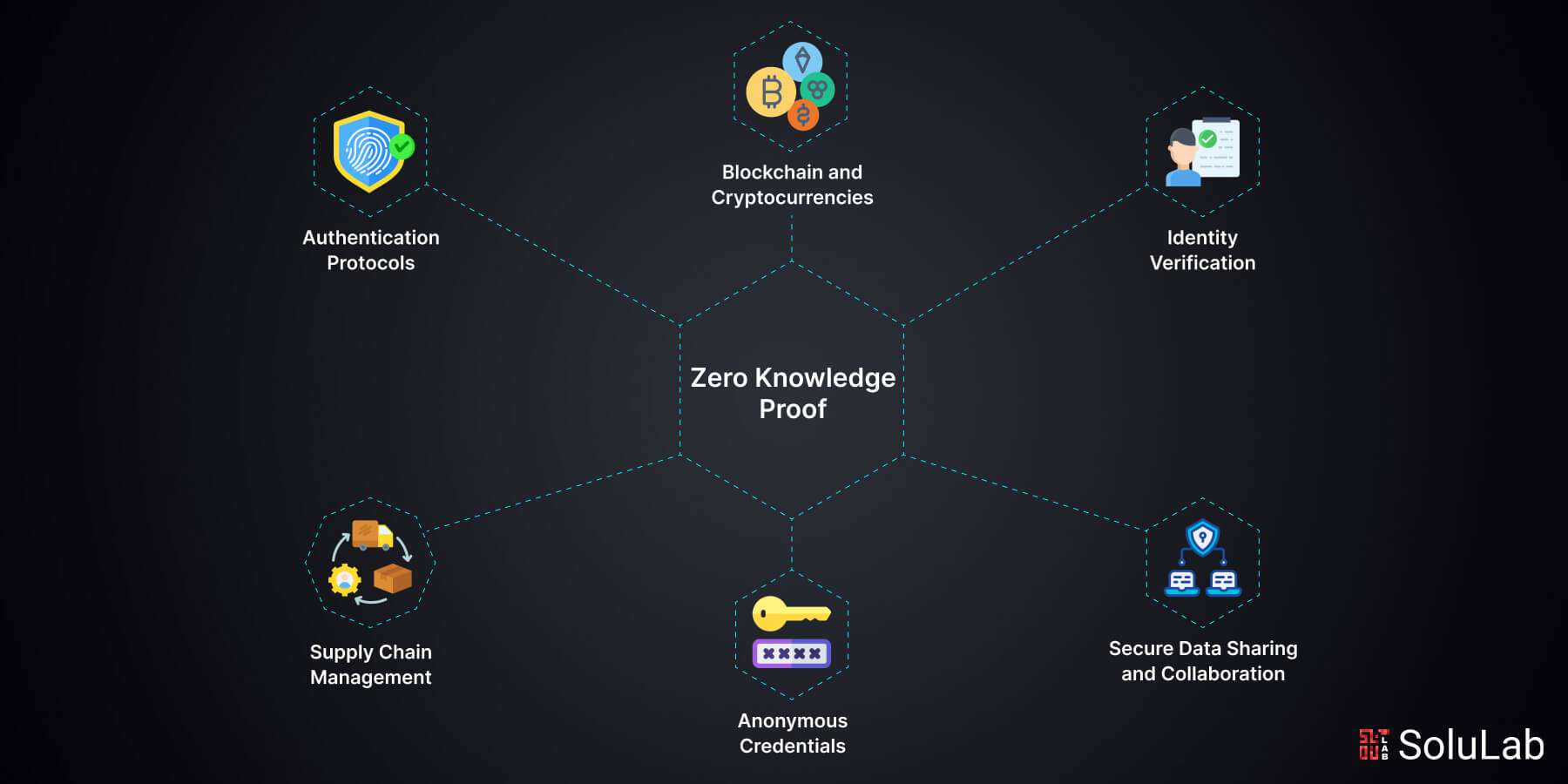
- Flexible Transaction Finality: Developers can offer users a choice between immediate finality via ZK proofs (with higher fees) or delayed finality via optimistic mechanisms (with lower fees), optimizing for both speed and cost.
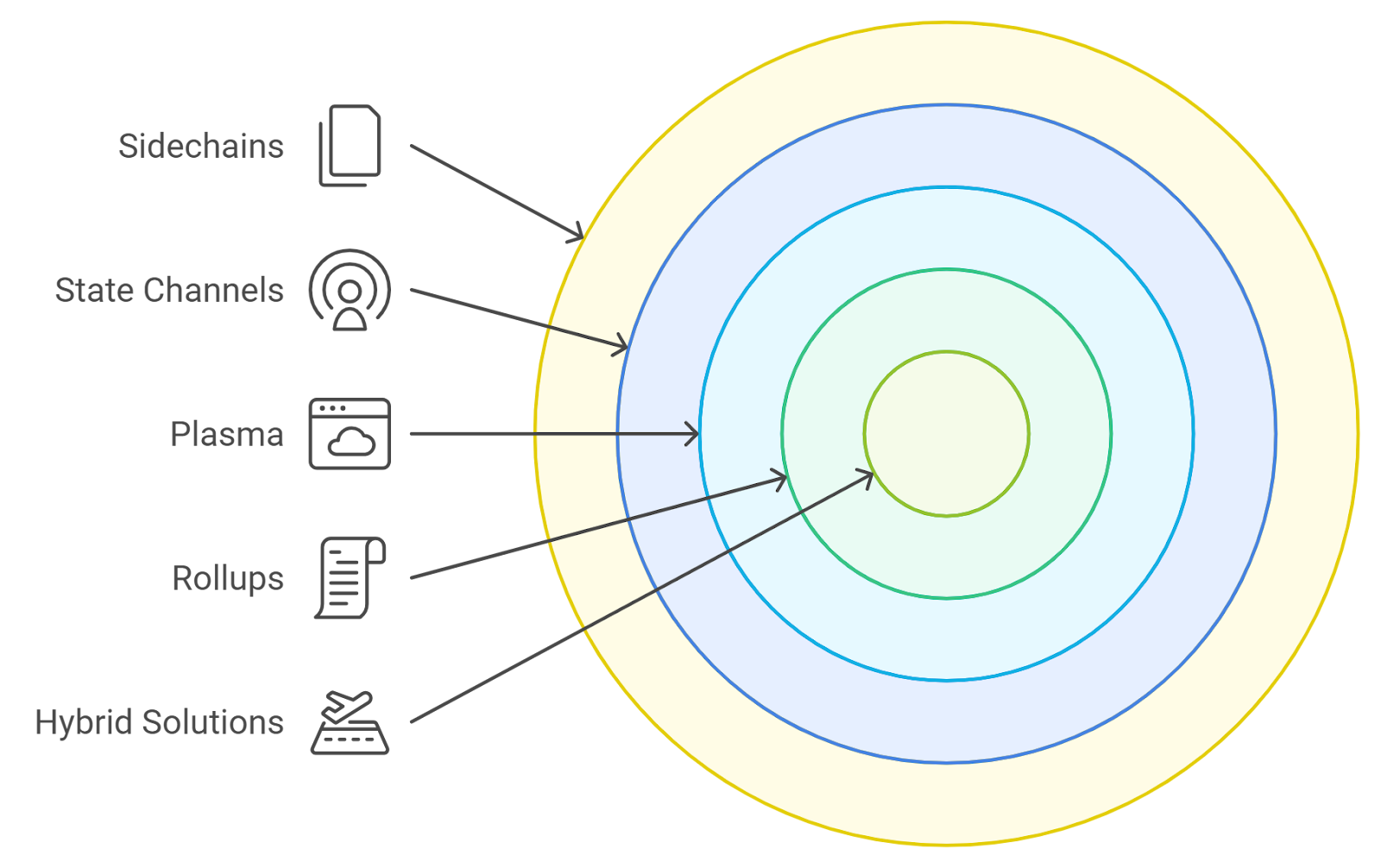
- Seamless Interoperability: Hybrid rollups enable cross-chain operations, allowing dApps to interact with multiple Layer 1 blockchains and bridge liquidity across ecosystems.

- Streamlined Development with Leading Platforms: Solutions like Celestia, Eclipse, and Conduit provide robust frameworks and managed services, simplifying hybrid rollup deployment and reducing infrastructure complexity.

How Developers Can Implement Hybrid Rollups Today
Getting started with hybrid rollups is more accessible than ever, thanks to the maturity of frameworks like Celestia, Eclipse, and Conduit. Each platform offers unique advantages:
- Celestia hybrid rollups are ideal for teams prioritizing modularity and scalability, leveraging Celestia’s secure data availability layer without needing to bootstrap a consensus network.
- Eclipse rollup framework appeals to projects requiring deep customization of execution environments and consensus logic.
- Conduit rollup-as-a-service is designed for rapid deployment, maintenance-free operation, and seamless upgrades, perfect for enterprises or startups looking to minimize operational overhead.
To illustrate a typical development workflow, consider these steps:
Deploying a Hybrid Rollup with Celestia or Conduit: Step-by-Step Guide (2025)
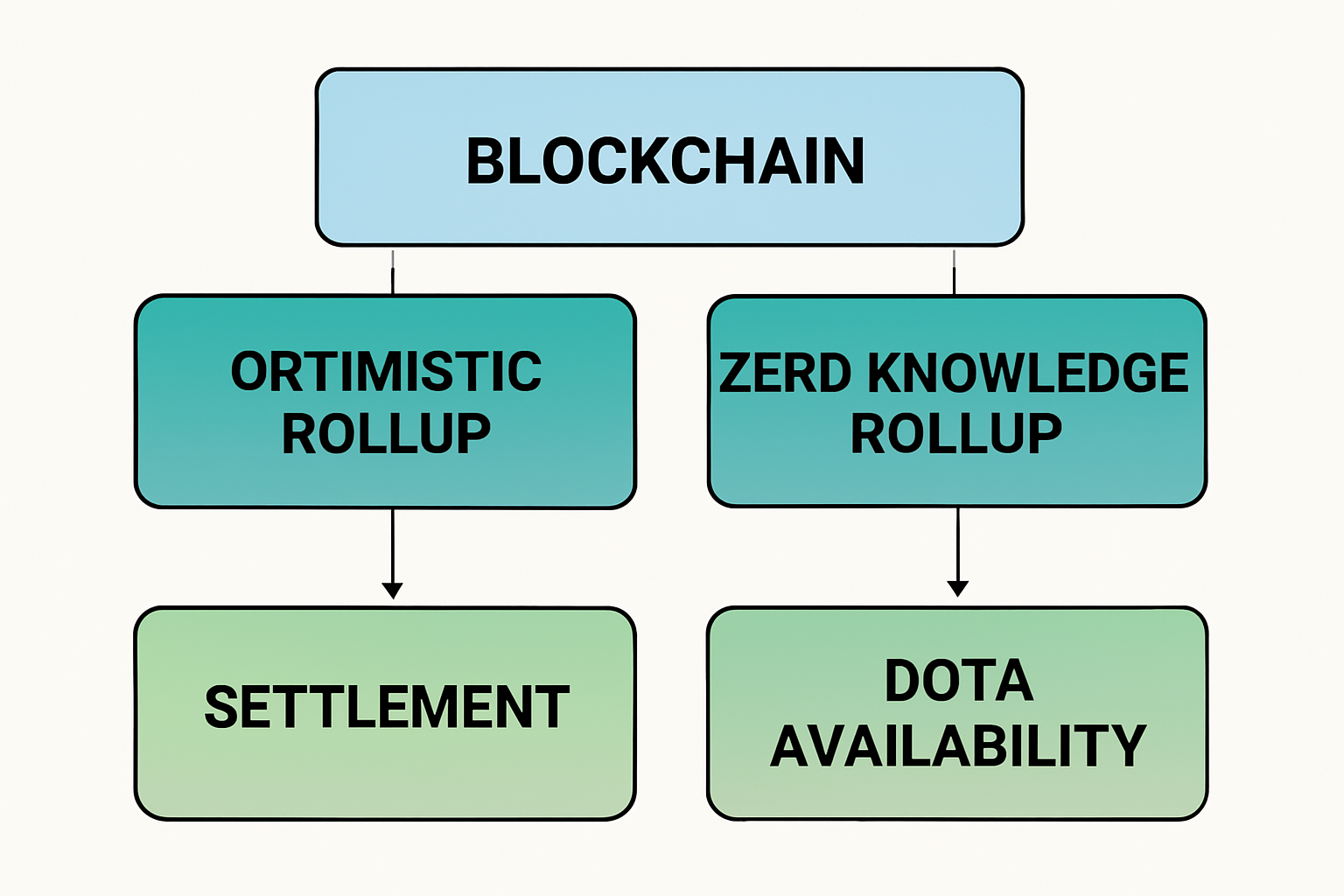
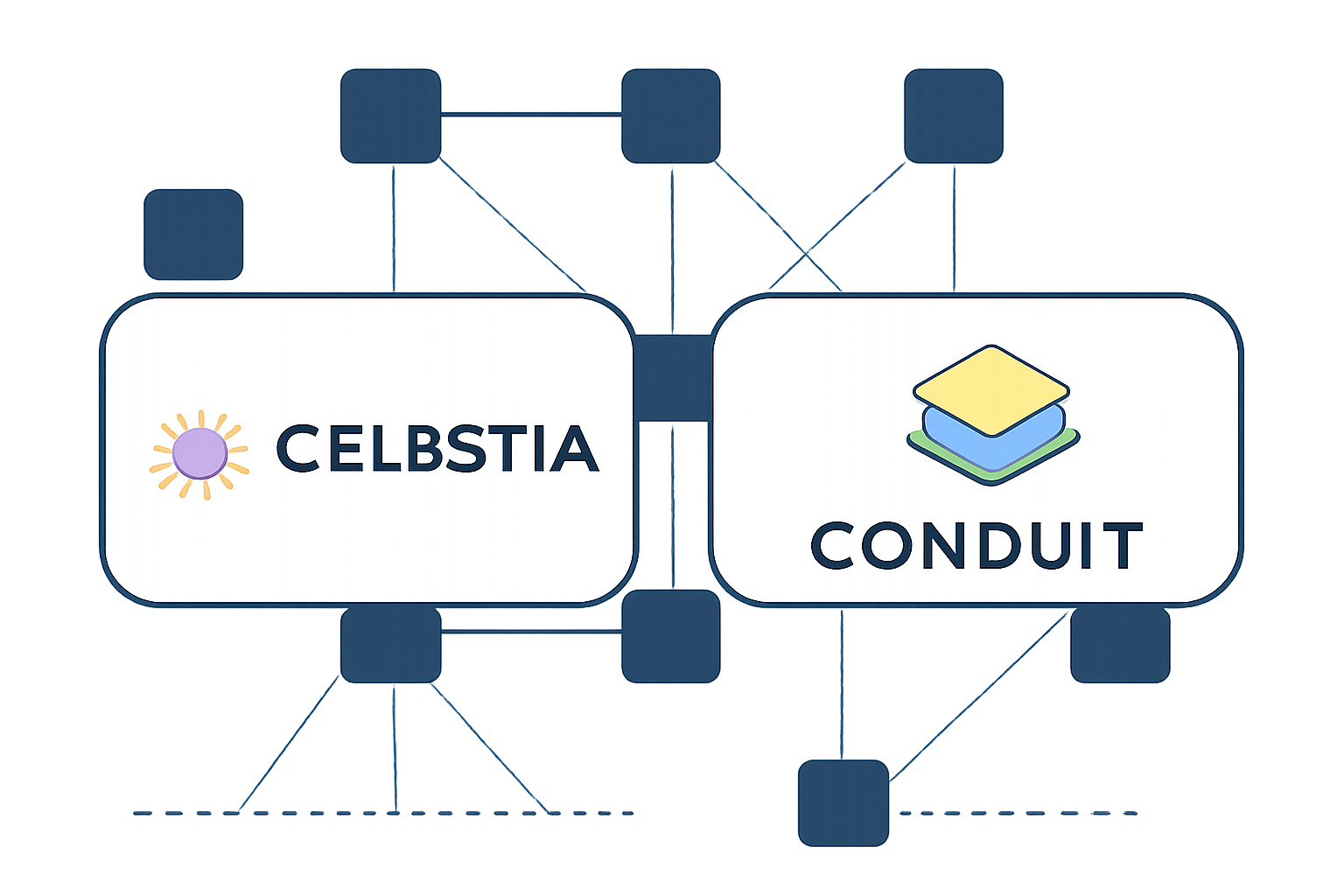

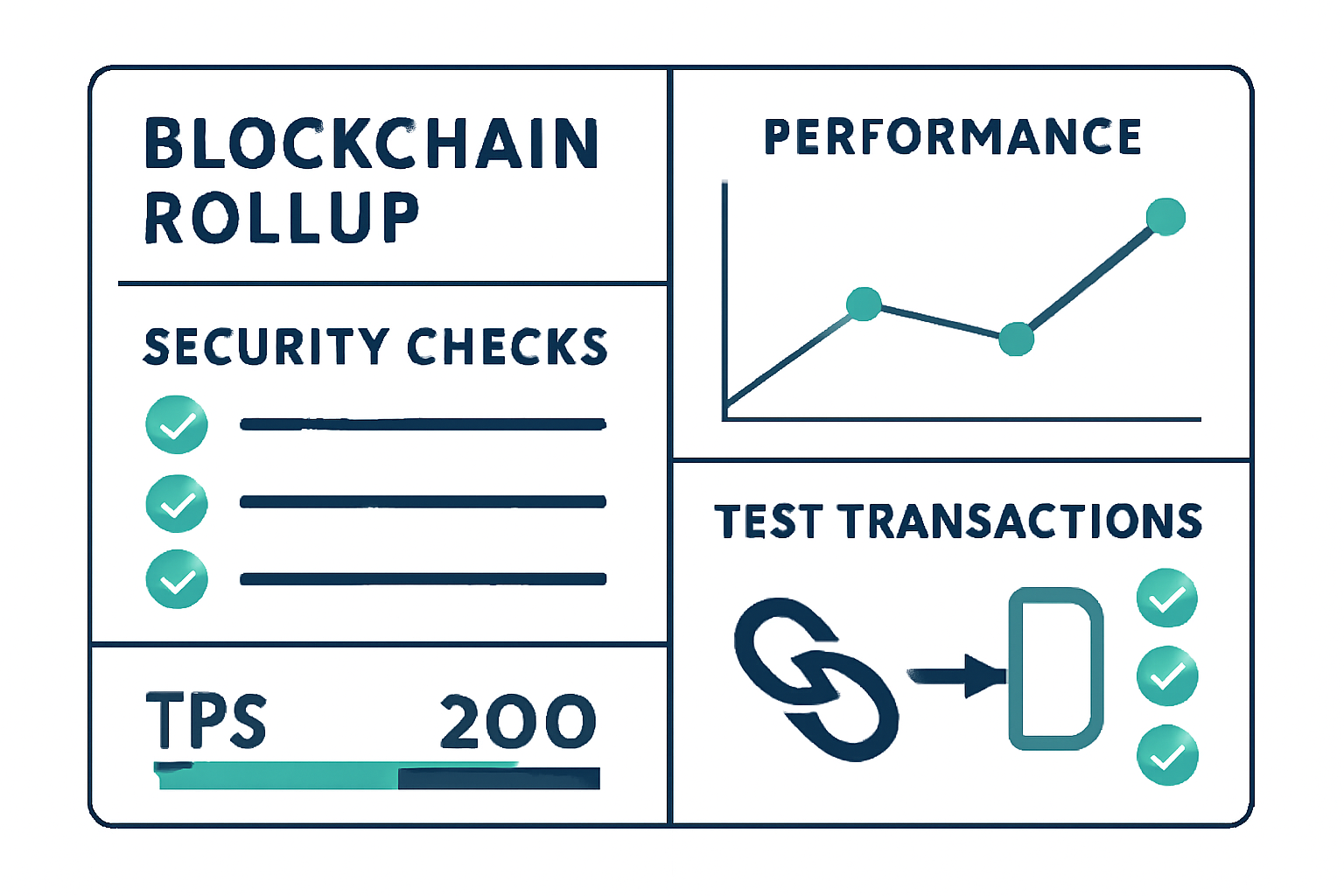
By following these guidelines, developers can rapidly prototype, test, and launch production-grade dApps that harness the full power of modular blockchains, without sacrificing security or composability.
Real-World Impact and What’s Next
The impact of hybrid rollups is already being felt across sectors. Financial dApps leverage instant settlement for high-value trades while offering low-fee options for retail users. Gaming platforms benefit from fast-paced transaction processing without compromising asset security. Supply chain solutions now bridge multiple chains seamlessly, unlocking interoperability once thought impossible.
The community’s excitement is palpable:
Looking ahead, expect further advances in developer tooling, cross-chain standards, and privacy-preserving features, all underpinned by the continued evolution of hybrid rollup architectures. As regulatory clarity grows and enterprise use cases proliferate, the demand for scalable yet secure solutions will only intensify (explore how these architectures drive scalability).
The era of monolithic blockchains is giving way to a landscape defined by specialization and collaboration. For developers ready to embrace this shift, mastering hybrid rollups within modular frameworks isn’t just an advantage, it’s fast becoming essential expertise in the Web3 ecosystem.




No comments yet. Be the first to share your thoughts!