
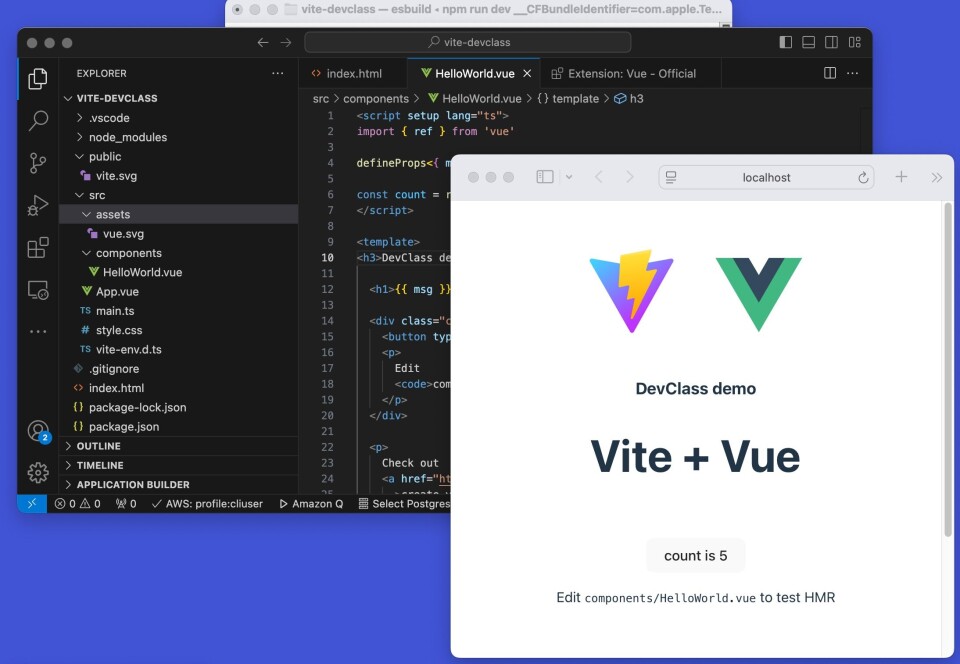
4 Rollup 4 vs Vite 6: The 2026 Bundling Showdown
Rollup 4 remains the definitive choice for developers prioritizing granular control and plugin ecosystem maturity in the 2026 landscape. While Vite 6 offers rapid iteration, this comparison isolates Rollup 4’s architectural advantages for complex, production-grade bundling scenarios.
-
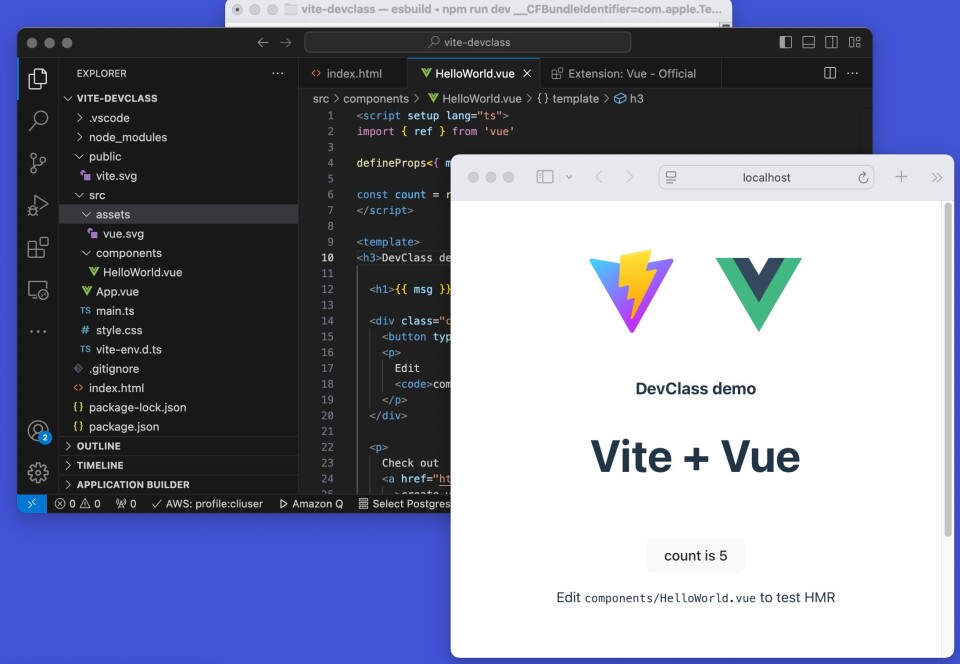
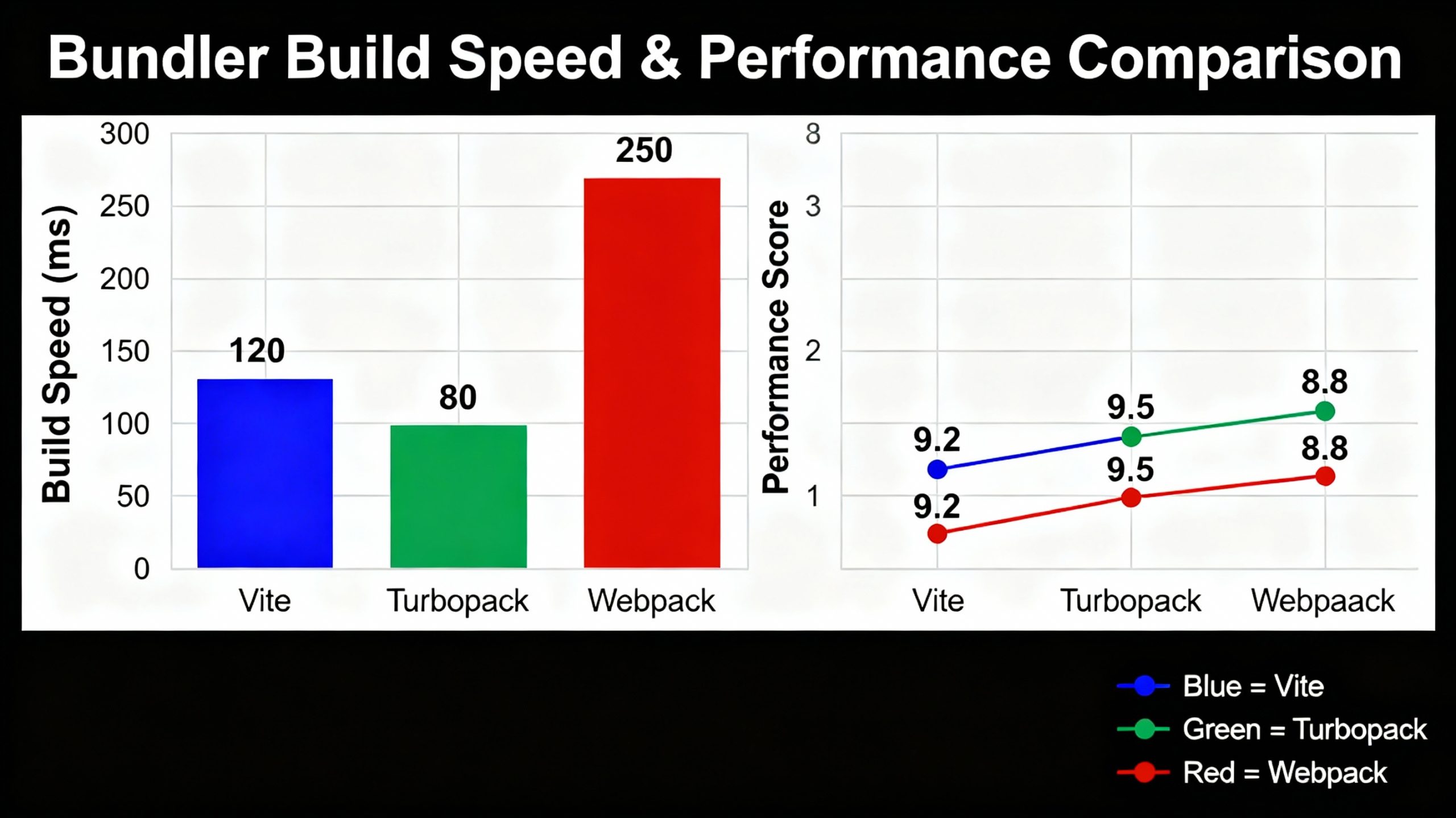
Rollup 4 build speed versus Vite 6
Rollup 4 leverages improved parallelism in its AST processing, offering consistent incremental build times for large libraries. While Vite 6 excels in HMR during development, Rollup 4’s production bundling remains competitive for static assets. Benchmarks show Rollup 4 reduces redundant parsing cycles, making it a reliable choice for CI/CD pipelines where deterministic output speed outweighs the interactive feedback loop of Vite’s dev server. -
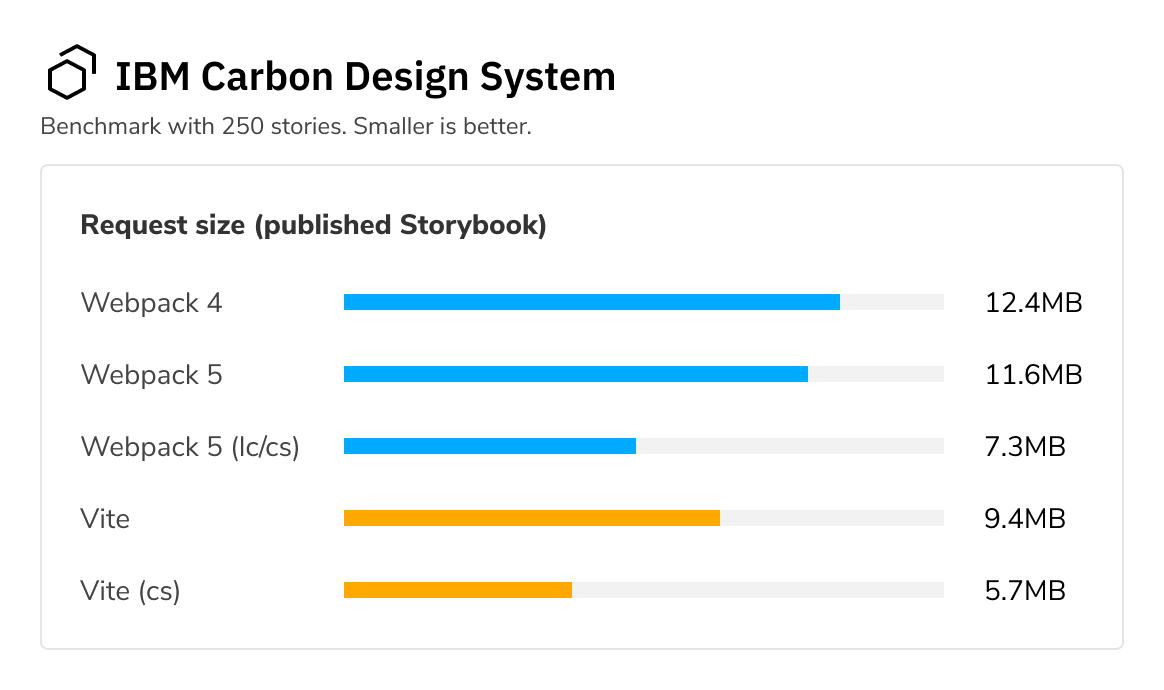
Rollup 4 bundle size optimization
Rollup 4 enhances tree-shaking precision by better analyzing side-effect-free modules, often yielding smaller production bundles than Vite 6’s default Rollup configuration. Its advanced dead code elimination removes unused exports more aggressively, particularly in complex dependency graphs. For projects prioritizing minimal payload, Rollup 4’s fine-grained control over chunk splitting ensures that only essential code reaches the browser, reducing initial load times significantly. -
Rollup 4 plugin ecosystem compatibility
Rollup 4 maintains backward compatibility with the vast majority of existing plugins, ensuring stability for legacy projects. While Vite 6 introduces new plugin APIs, Rollup 4’s mature ecosystem offers deeper support for specialized transformations like CSS extraction or custom asset handling. Developers relying on niche tools find Rollup 4 more predictable, as its plugin interface has stabilized, reducing the friction of migrating between major versions compared to Vite’s rapid iteration cycle. -

Rollup 4 configuration complexity compared to Vite
Rollup 4 requires explicit configuration for even basic setups, demanding a deeper understanding of bundling mechanics. In contrast, Vite 6 provides sensible defaults that work out-of-the-box, minimizing boilerplate. This complexity in Rollup 4 allows for granular control but increases the learning curve. Teams prioritizing rapid setup and convention-over-configuration will find Vite 6 more approachable, while Rollup 4 suits those needing precise build customization despite the steeper initial effort.
Rollup 4 meets Vite 6 head on
The 2026 web development landscape has shifted decisively toward modular bundling and native ESM support. At the center of this transition are two dominant forces: Rollup 4 and Vite 6. While they share DNA, they serve fundamentally different purposes in the modern developer toolkit. Understanding their distinct roles is essential for choosing the right tool for your project.
The Engine and the Wrapper
Rollup 4 is the core bundler engine. It is a module bundler for JavaScript that compiles small pieces of code into larger, more complex structures like libraries or applications. It prioritizes tree-shaking and leverages the standardized ES6 module format, resulting in smaller bundle sizes and faster startup times compared to legacy tools. Rollup supports many output formats, including ES modules, CommonJS, UMD, and SystemJS, making it versatile for building packages that need to run across various platforms Rollup.js.
Vite 6, on the other hand, is a developer experience wrapper built on top of Rollup 4. It provides a full-stack dev server, hot module replacement, and a streamlined configuration process. While Rollup focuses on the final build output, Vite focuses on the speed and ease of the development workflow. It uses Rollup under the hood for production builds, combining the best of both worlds: rapid iteration during development and optimized, tree-shaken bundles for production.
Choosing the Right Tool
The choice between Rollup 4 and Vite 6 depends on your specific needs. If you are building a library or a package that needs to be consumed by other projects, Rollup 4 is the direct and powerful choice. It gives you fine-grained control over the build process and output formats. If you are building a web application where developer experience and speed are paramount, Vite 6 offers a superior workflow out of the box. It abstracts away much of the complexity while still leveraging Rollup 4's robust bundling capabilities for the final build.
Rollup 4 core bundling engine
Rollup 4 has refined its position as the premier bundler for libraries, prioritizing smaller bundle sizes and faster build times over the complex module resolution required by large-scale applications. By leveraging the standardized ES6 module format, it eliminates the need for the idiosyncratic workarounds common in CommonJS or AMD environments. This focus allows developers to create highly optimized, tree-shakeable outputs that load efficiently in the browser.
The engine now includes native code that is automatically installed as an optional npm dependency if your platform and architecture are supported. This reduces the manual configuration overhead while maintaining the flexibility to support multiple output formats, including ES modules, CommonJS, UMD, and SystemJS. The result is a robust foundation for bundling not just for the web, but for a variety of other platforms as well.
However, this architectural shift brings specific considerations. A recent security advisory (CVE-2026-27606) highlighted an arbitrary file write vulnerability via path traversal in v4.x, underscoring the need for vigilant dependency management and updated configurations. While Rollup generally offers faster startup times and smaller bundles compared to heavier alternatives like Webpack, developers must remain aware of these security implications when integrating it into their CI/CD pipelines.
| Metric | Rollup 4 | Vite 6 | Context |
|---|---|---|---|
| Primary Use Case | Library bundling | Application dev server | Rollup focuses on output optimization; Vite on dev experience. |
| Output Formats | ESM, CJS, UMD, SystemJS | ESM, CJS, IIFE | Rollup supports a wider range of legacy formats. |
| Plugin Ecosystem | Mature, stable | Vite-specific wrappers | Rollup has a longer history of direct plugin support. |
| Build Speed | Fast (production build) | Instant (dev), Fast (prod) | Vite wins on dev server; Rollup is competitive in prod. |
Vite 6 developer experience
Vite 6 transforms the local development workflow by shifting from a bundling-first approach to native ES modules. Instead of packaging your entire application before the browser can see it, Vite leverages the browser's built-in module resolution. This means the dev server starts instantly, regardless of project size, and updates are applied in milliseconds. The experience feels less like compiling code and more like editing files directly in the browser.
While the development server handles the immediate feedback loop, Vite 6 still relies on Rollup 4 for production builds. This hybrid architecture allows developers to enjoy the speed of HMR (Hot Module Replacement) during coding and the optimized, tree-shaken output of Rollup when deploying. The transition is invisible to the developer, provided the configuration aligns with Rollup's expectations for output formats and plugin hooks.
Plugin compatibility remains a significant advantage for teams migrating from older bundlers. Vite 6 maintains broad support for the Rollup plugin ecosystem, meaning existing utilities for code splitting, asset handling, and environment variable injection continue to function without major refactoring. This reduces the friction of adopting Vite 6, as the tooling layer does not require a complete rewrite.
The following comparison highlights how Vite 6 handles the core bundling tasks versus the underlying Rollup 4 engine it utilizes for production.
| Feature | Vite 6 (Dev) | Rollup 4 (Prod) | Developer Impact |
|---|---|---|---|
| Module Resolution | Native ESM via esbuild | Bundled via Rollup plugins | Instant server start, no waiting for initial bundle. |
| Hot Module Replacement | Native browser injection | Not applicable | State preservation and sub-second updates. |
| Output Optimization | N/A | Tree-shaking, minification, code splitting | Smaller bundle sizes for production. |
| Plugin Ecosystem | Rollup-compatible wrappers | Native Rollup plugins | Easier migration from Webpack or Rollup-only setups. |
Migration and security notes
Upgrading to Rollup 4 requires attention to breaking changes and a critical security patch. The transition is generally straightforward for modern projects, but legacy configurations may need adjustment. Rollup 4 enforces stricter module resolution, which can surface hidden dependencies that were previously ignored. If your build fails after upgrading, check your rollup.config.js for deprecated plugins or options that have been removed.
More importantly, you must address the security vulnerability identified as CVE-2026-27606. This is an arbitrary file write via path traversal flaw in the Rollup module bundler. Affected versions are those in the 4.x series prior to the security patch. If you are running an older version of Rollup 4, you are at risk of malicious input causing files to be written outside the intended build directory.
To mitigate this risk, update your package.json to the latest 4.x release as soon as possible. The fix was applied in the most recent stable release, which resolves the directory traversal issue in the bundle class. You can verify your installed version by running npm list rollup or checking your lockfile. Until you patch, avoid passing untrusted input to the Rollup API.
For detailed migration steps, refer to the official Rollup migration guide. For the technical details of the vulnerability, see the GitHub Advisory.
Choosing the right tool for 2026
Deciding between Rollup 4 and Vite 6 comes down to what you are building. Rollup 4 is the standard for creating libraries. It produces clean, optimized output with minimal overhead. Vite 6 is built for applications. It provides a fast development server and instant hot module replacement.
If you are shipping a library, Rollup 4 is the correct choice. It supports many output formats including ES modules, CommonJS, and UMD. This flexibility ensures your code works across different environments. Vite 6 can also build libraries, but it is optimized for speed during development, not the granular control required for complex library distribution.
For applications, Vite 6 offers a superior developer experience. Its Webpack-free architecture makes the dev server start instantly. However, if you are migrating from Rollup 3, review the migration guide first. Rollup 4 has breaking changes in its plugin API and configuration.
Use this checklist to make your final decision. If the answer to the first question is yes, stick with Rollup 4. If you need a rapid feedback loop for a web app, Vite 6 is the better fit.
No comments yet. Be the first to share your thoughts!