
4 Key Changes for Modern JavaScript Bundling
Rollup 2026 introduces four critical updates designed to streamline your build pipeline and reduce bundle sizes. These changes focus on practical improvements like faster compilation times and better tree-shaking, ensuring your modern JavaScript projects remain efficient and maintainable.
-
Optimized ESM Output and Tree Shaking
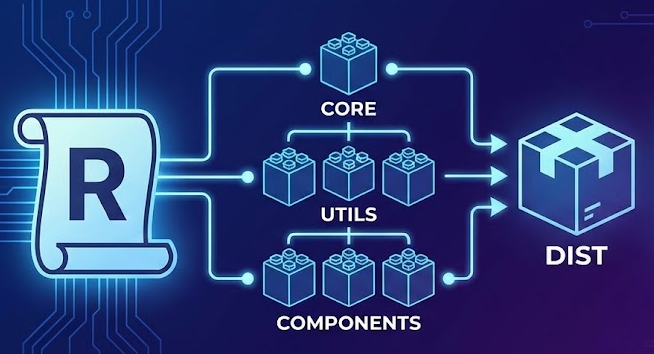
Rollup 2026 prioritizes pure ES module output, ensuring libraries ship with minimal overhead. This approach enables superior tree shaking, stripping unused code before it reaches production. Developers benefit from smaller bundle sizes and faster load times. The tool intelligently analyzes static imports, removing dead code that traditional bundlers might retain. -
Enhanced Plugin Ecosystem and DX
The plugin architecture now offers deeper integration points, allowing developers to customize build pipelines with precision. This flexibility improves developer experience by enabling custom transformations without complex workarounds. A richer ecosystem means more community-supported solutions for common tasks. Teams can extend functionality seamlessly, adapting Rollup to specific project needs without sacrificing stability or performance during the build process. -

Faster Build Times and Caching
Significant improvements to the caching mechanism reduce redundant computations, leading to noticeably faster build times. Incremental builds now skip unchanged modules, saving valuable time during development. This efficiency is crucial for large projects with complex dependency graphs. Developers experience quicker feedback loops, allowing for more iterative testing and refinement. The optimization ensures that only modified code is reprocessed, streamlining the entire compilation workflow. -
Native TypeScript Support Without Extra Config
Rollup 2026 includes built-in TypeScript handling, eliminating the need for separate plugins or complex configurations. This native support simplifies setup, allowing developers to write type-safe code immediately. The tool understands TypeScript syntax and types, ensuring accurate code generation. This reduction in configuration overhead speeds up project initialization and reduces maintenance burden, making it easier to adopt TypeScript in existing JavaScript projects without friction.
Rollup 2026: Four Key Updates
Use this section to make the Rollup decision easier to compare in real life, not just on paper. Start with the reader's actual constraint, then separate must-have requirements from details that are merely nice to have. A practical choice should survive normal use, maintenance, timing, and budget. If a recommendation only works in an ideal situation, call that out plainly and give the reader a fallback path.
The simplest way to use this section is to write down the must-have criteria first, then compare each option against those criteria before weighing nice-to-have features.
Frequently asked: what to check next
Helpful gear
Use these product recommendations as a starting point, then choose the size, material, and price point that fit how you actually use the gear.

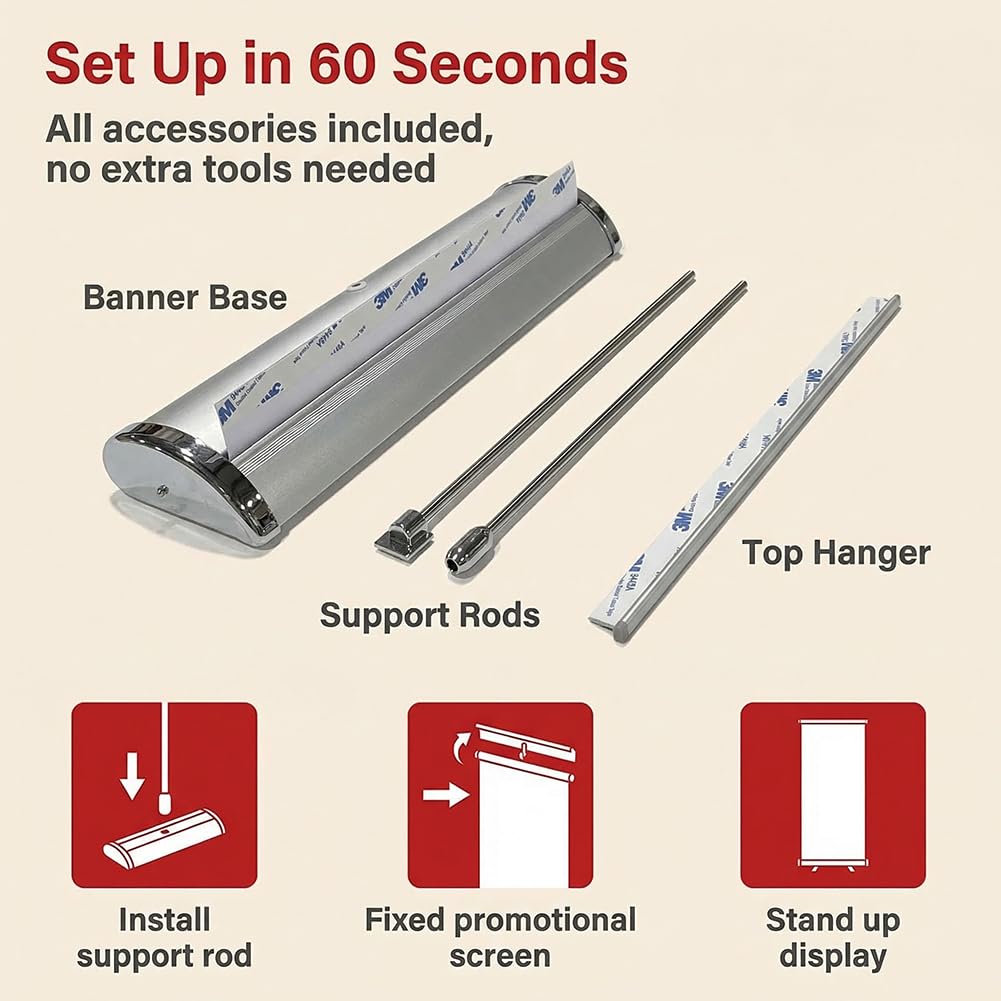
As an Amazon Associate, we may earn from qualifying purchases.
No comments yet. Be the first to share your thoughts!