
In late 2025, the blockchain landscape is being redrawn by modular rollups: an architectural leap that decouples execution, settlement, consensus, and data availability into specialized layers. This paradigm shift is not just technical jargon; it’s fundamentally transforming how developers approach scalability, cost efficiency, and customization for decentralized applications. The rise of frameworks like Celestia, Eclipse, and Conduit marks a new era where blockchain scaling is not one-size-fits-all but tailored to the needs of each project.
The Modular Rollup Revolution: Why 2025 Is a Turning Point
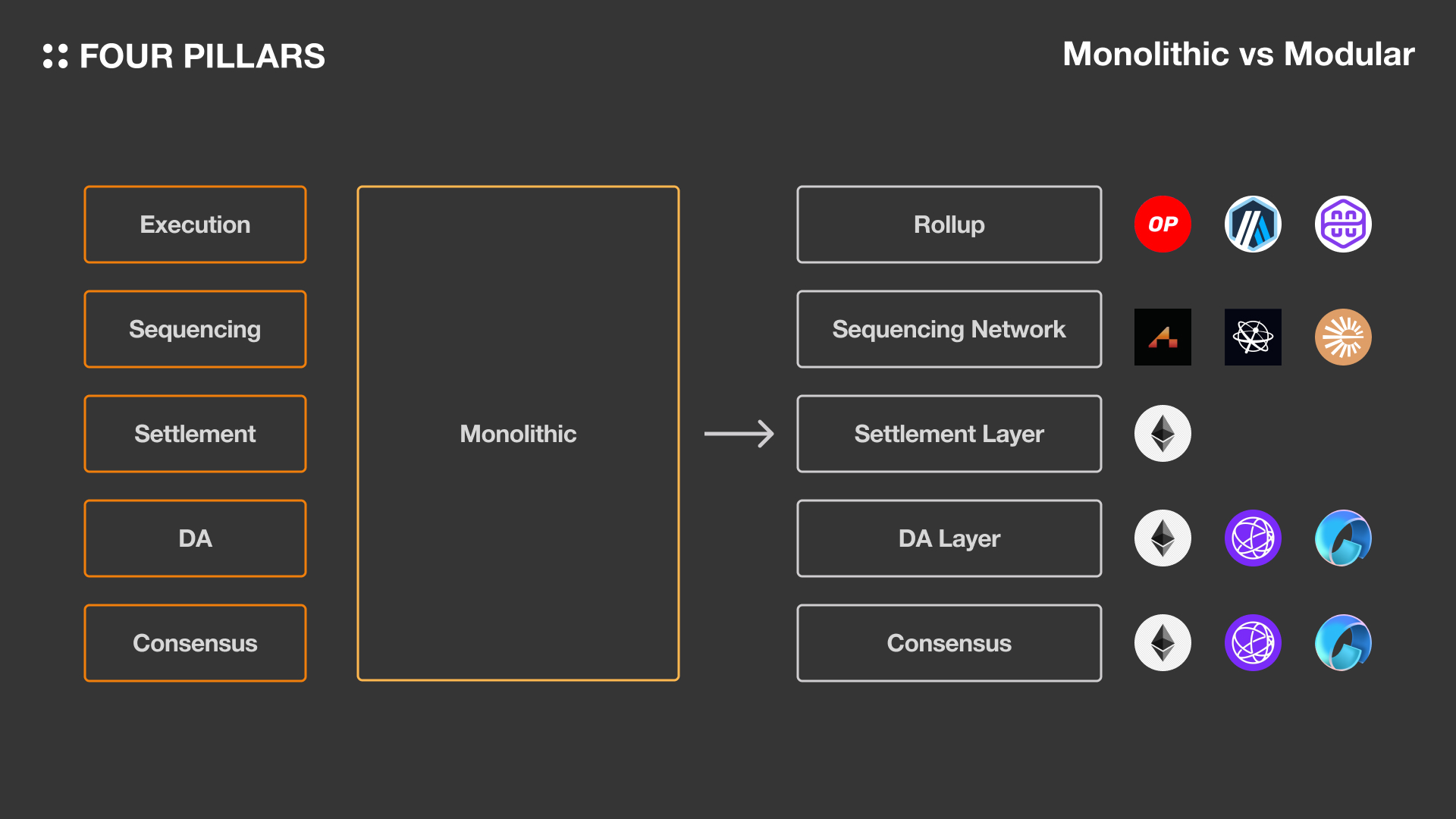
Rollup architecture flexibility is more than a buzzword in 2025, it’s the industry standard. Traditional monolithic chains forced developers to compromise between speed, security, or decentralization. Modular rollups flip this equation by letting projects pick best-in-class components for each layer:
- Execution: Run application-specific logic on high-throughput virtual machines.
- Settlement: Anchor state changes on secure base layers like Ethereum.
- Consensus and Data Availability: Leverage dedicated networks for fast and reliable data publication.
This separation of concerns enables unprecedented scalability and cost reduction. According to Rollup Frameworks’ latest research, deploying a custom rollup on Celestia now takes days instead of months, a game changer for startups and established protocols alike. For an in-depth comparison of these frameworks’ strengths, see our detailed guide at Celestia vs Eclipse vs Conduit: Comparing Rollup Frameworks for Scalability.
Celestia: Modular Data Availability at Scale
Celestia's modular approach centers on providing a robust data availability (DA) layer. Its breakthrough technology provides data availability sampling (DAS): lets light nodes verify block data without needing to download every byte. This means even modest hardware can participate securely in the network, dramatically lowering barriers to entry while boosting throughput.
The impact? Developers can launch rollups that inherit Celestia’s security guarantees without managing their own validator set or worrying about DA bottlenecks. As highlighted in recent ecosystem reports, Celestia’s thriving cross-chain integrations are powering everything from DeFi to Web3 gaming. For step-by-step deployment guides tailored to developers building on Celestia with tools like Conduit, check out our resource How to Deploy a Custom Rollup on Celestia: Step-by-Step Guide for Developers.
Eclipse and Conduit: Composability Meets Developer Velocity
If Celestia is the backbone for DA modular blockchains, then Eclipse is the Swiss Army knife for cross-ecosystem composability. By integrating Solana's ultra-fast SVM for execution with Ethereum's security layer and Celestia's DA capabilities, Eclipse lets teams build scalable dApps that bridge multiple chains without trade-offs.
Conduit, meanwhile, takes developer experience up another notch with its Rollups-as-a-Service platform. Projects can spin up custom rollups using Arbitrum or Optimism frameworks, and select their preferred DA solution (including Celestia): all through an intuitive interface. This dramatically accelerates time-to-market and reduces infrastructure headaches.
The synergy between these frameworks isn’t just theoretical; it’s driving real-world adoption across DeFi protocols, NFT platforms, and enterprise consortia seeking flexible scaling solutions.
For builders, the modular rollup landscape in 2025 is about choice and optimization. Want Solana-level throughput with Ethereum-grade security? Eclipse delivers. Need a plug-and-play rollup stack for a DAO or gaming platform? Conduit’s RaaS model abstracts away the operational complexity, making it possible to focus on product rather than protocol. This flexibility is driving a wave of experimentation and composability not seen in previous blockchain cycles.
Data from the Conduit 2025 State of Rollups report shows that over 60% of new rollup deployments now leverage modular architectures, with DA solutions like Celestia leading adoption. The numbers tell a clear story: as more projects migrate to modular stacks, network congestion and gas spikes on monolithic chains are dropping, while overall transaction throughput continues to climb.
Real-World Impact: Sector-Specific Scaling and Lower Barriers
What does this mean for real-world applications? Modular rollups have already started to unlock sector-specific scaling:
- DeFi platforms can isolate risk by running on custom execution layers, without sacrificing access to global liquidity pools anchored on Ethereum.
- NFT projects are launching their own high-throughput chains, eliminating network congestion during mints and airdrops.
- Enterprise consortia can deploy private or permissioned rollups, selecting only the components needed for compliance and performance.
This level of customization was simply not possible in earlier blockchain eras. Now, with frameworks like Celestia, Eclipse, and Conduit lowering technical barriers, even small teams can launch specialized chains that scale as their user base grows.
The big takeaway? Modular architecture isn’t just about raw throughput or lower fees, it’s about building blockchains that actually fit the needs of specific communities and use cases. As more developers adopt modular approaches, expect an explosion in app-specific blockchains tailored for everything from gaming economies to cross-border payments.
Looking Ahead: The Future of Blockchain Scaling Is Modular
The data-driven momentum behind modular rollups 2025 is undeniable. With Celestia driving DA innovation, Eclipse bridging execution environments across ecosystems, and Conduit radically simplifying deployment via RaaS, the future of blockchain scaling will be defined by flexibility, not compromise. For developers weighing options or seeking a deeper dive into architectural trade-offs between these frameworks, see our guide on Celestia vs Eclipse vs Conduit: Comparing Rollup Frameworks for Scalability.
The next generation of decentralized apps will be built on chains that are not only faster but also more adaptable than ever before. If you’re ready to architect your own scalable solution or want hands-on deployment tutorials using these frameworks, explore our step-by-step resources at How to Deploy a Custom Rollup on Celestia: Step-by-Step Guide for Developers. The modular era has arrived, and it’s redefining what’s possible in Web3.



No comments yet. Be the first to share your thoughts!