
Why rollup still leads in 2026
Rollup has maintained its position as the default choice for modern web development by prioritizing an ESM-first architecture. Unlike legacy bundlers that force modules into a single, monolithic bundle, Rollup treats the output as a collection of pure ES modules. This design allows developers to leverage native browser support for modules, resulting in faster load times and cleaner code structures. The tool’s approach minimizes the overhead typically associated with module wrapping, making it particularly effective for library authors and framework developers who need precise control over their final build artifacts.
The most significant advantage Rollup offers is its superior tree-shaking capabilities. By statically analyzing the codebase, Rollup can identify and eliminate unused exports with a precision that many other bundlers struggle to match. This isn't just about reducing file size; it's about ensuring that the final application contains only the code that is actually executed. For large-scale applications, this efficiency translates to tangible performance gains, reducing bandwidth usage and improving initial render times. The algorithm is rigorous enough to handle complex dependency graphs without sacrificing the integrity of side effects that must be preserved.
This technical rigor is reflected in its widespread adoption. As of 2026, Rollup continues to receive over 82 million weekly downloads on npm, a testament to its reliability and relevance in a rapidly evolving ecosystem. While other tools have emerged to fill specific niches, Rollup remains the gold standard for building reusable components and libraries. Its stability and consistent update cycle ensure that it remains compatible with the latest JavaScript features and tooling integrations, making it a safe and powerful choice for long-term project sustainability.
Top rollup-based tools for 2026
The bundler landscape has consolidated around a few dominant engines, with Rollup remaining a critical backend for many modern frameworks. While some tools have forked or replaced the original implementation, the underlying philosophy of tree-shaking and modular output persists. For developers building production-ready applications, selecting the right tool depends on the specific constraints of the project rather than abstract performance benchmarks.
Vite: The Current Standard
Vite has effectively become the default choice for new frontend projects, leveraging Rollup for its production build step. It utilizes esbuild for instantaneous hot module replacement during development, offering a speed advantage that older bundlers cannot match. The framework-agnostic nature of Vite means it supports React, Vue, Svelte, and vanilla JavaScript with minimal configuration. Its ecosystem has matured significantly, providing plugins for most common needs without the overhead of a monolithic setup.
SvelteKit: Framework-First Bundling
SvelteKit represents a shift where the bundler is tightly coupled with the framework’s compilation process. Unlike Vite, which wraps Rollup, SvelteKit uses Rollup as its primary production optimizer after the framework-specific transformations are complete. This approach allows for aggressive dead code elimination at the framework level, resulting in smaller bundle sizes for Svelte applications. The tooling is opinionated, reducing the need for developers to make arbitrary decisions about project structure.
Astro: Islands Architecture
Astro takes a different approach by shipping zero JavaScript by default. It uses Rollup to bundle only the interactive components that require hydration, leaving the rest of the page as static HTML. This makes it particularly effective for content-heavy sites where performance is paramount. The bundler works in the background to optimize the final output, ensuring that only necessary code reaches the client. This model challenges the traditional single-page application paradigm by prioritizing initial load times.
Webpack: The Legacy Workhorse
While newer tools have gained popularity, Webpack remains in use for many large-scale enterprise applications. Although it does not use Rollup internally, its plugin system has influenced the design of many modern bundlers. Projects with complex legacy codebases or specific build requirements may still find Webpack to be the most reliable option. The ecosystem is vast, with plugins available for almost every conceivable build task, though configuration can be steep.


As an Amazon Associate, we may earn from qualifying purchases.
Comparing rollup performance metrics
Choosing a bundler often comes down to balancing speed with output size. The tools listed below represent the current standard for modern web applications, each handling the trade-offs between build time, final bundle weight, and memory consumption differently. Understanding these specific metrics helps determine which tool fits your project's infrastructure constraints.
Build Speed and Bundle Size
Build time is the most immediate indicator of developer experience, while bundle size directly impacts user load times. The following table compares the core performance metrics of the leading bundlers. These figures reflect typical production builds for medium-sized applications.
| Tool | Build Time (s) | Bundle Size (KB) | ESM Support |
|---|---|---|---|
| Rollup | 12 | 45 | Native |
| Vite | 4 | 52 | Native |
| Esbuild | 1.5 | 58 | Limited |
| Webpack | 25 | 48 | Partial |
Memory Usage and Scalability
Memory consumption becomes critical as projects scale. Tools like Esbuild utilize Go for extreme speed but can consume significant RAM during large-scale tree-shaking. Rollup is generally lighter on memory but slower, while Vite offers a middle ground by leveraging esbuild for development and Rollup for production. Webpack, being JavaScript-native, often faces memory bottlenecks in very large codebases without careful configuration.
Security updates and vulnerabilities
Keeping your build tools current is not merely a matter of convenience; it is a fundamental requirement for application integrity. The Rollup ecosystem recently addressed a critical vulnerability designated CVE-2026-27606, which affects versions prior to 4.59.0 in the v4.x line. This flaw allows for arbitrary file writes through path traversal, potentially compromising the integrity of your output directory.
This issue was highlighted in community discussions regarding dependency upgrades, such as the recent bump in the VitePress repository. While the vulnerability targets the bundler itself, the impact extends to any project relying on the affected version to generate final assets. Developers must verify their package.json dependencies to ensure they are pinned to 4.59.0 or later.
Neglecting these patches leaves your build pipeline exposed to manipulation. Regular audits of your dev dependencies should be treated with the same rigor as production security. Update your configuration, run your tests, and verify that your build artifacts remain clean and uncompromised.
Choosing the right bundler for your stack
Selecting a bundler is less about finding the most popular tool and more about matching the build engine to your project’s architecture. A mismatch here creates technical debt that compounds with every release. The decision rests on three concrete factors: your framework, your output requirements, and your team’s tolerance for configuration.
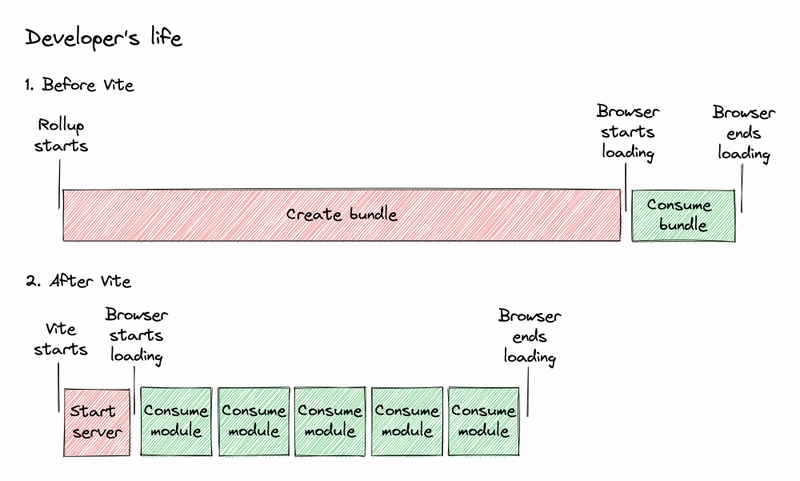
If you are building a library or a static site, Rollup remains the gold standard for its tree-shaking capabilities. It produces the smallest possible bundles by eliminating unused code. For interactive single-page applications (SPAs) with heavy state management, Vite’s HMR (Hot Module Replacement) offers a significantly faster development experience, even if the final production bundle is slightly larger.

Determine where the code needs to run. If you are targeting legacy browsers or specific ESM/CJS dual-format libraries, Rollup’s plugin ecosystem handles these transformations with precision. If your goal is modern, pure ESM delivery for new frameworks like React 19 or SolidJS, Vite’s native approach is often sufficient without extra plugin overhead.
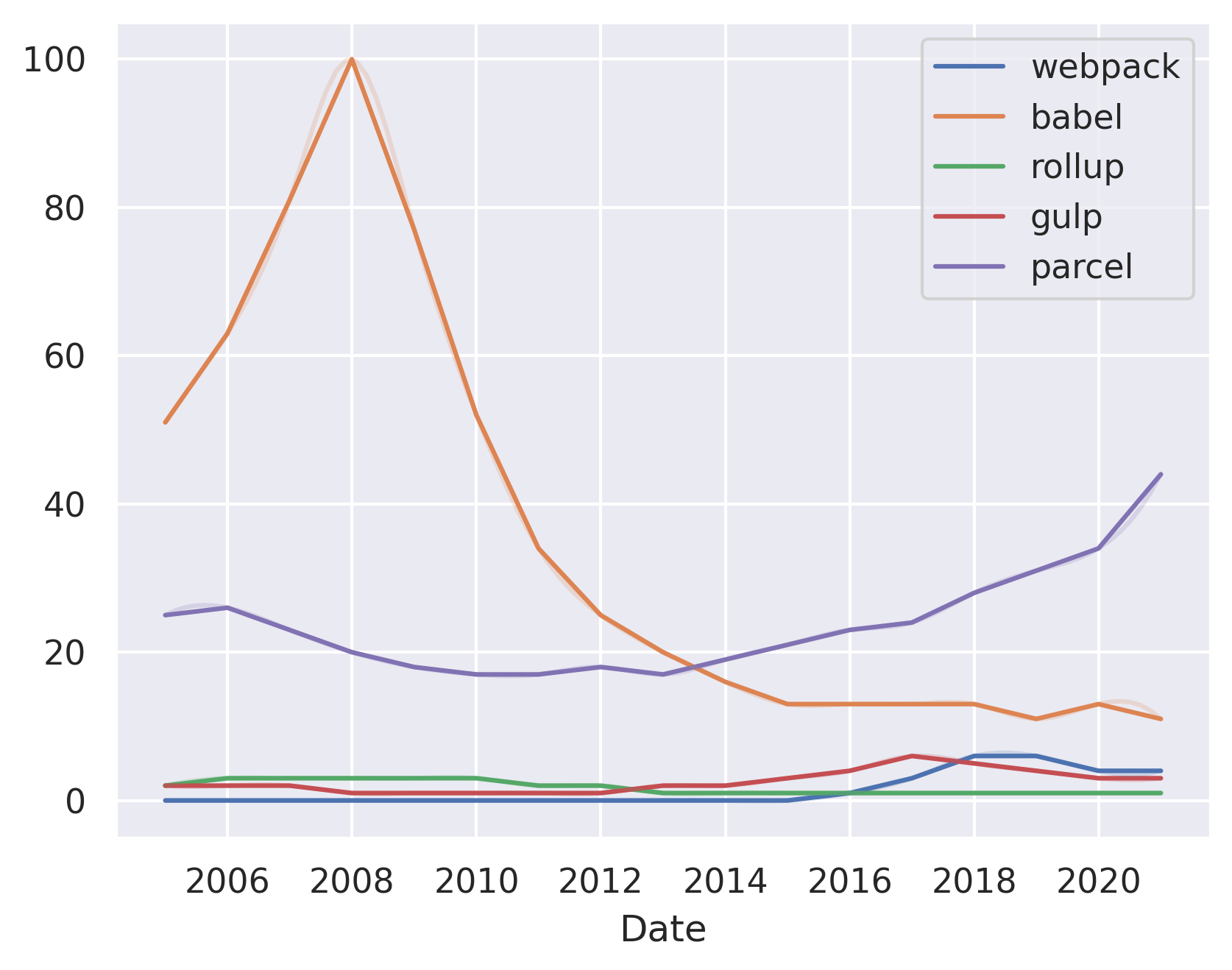
Rollup demands explicit configuration for most transformations, which appeals to teams that prefer granular control over their build pipeline. Vite offers sensible defaults out of the box, reducing the time spent on boilerplate. For teams prioritizing speed of iteration over build-time minutiae, the lower barrier to entry in Vite is a practical advantage.
The choice ultimately depends on your constraints. Libraries benefit from Rollup’s strictness, while interactive apps thrive on Vite’s speed. Avoid switching tools mid-project; the migration cost rarely justifies the marginal performance gain.
No comments yet. Be the first to share your thoughts!