
Rollup frameworks 2026: How we picked the top five
Choosing a rollup framework in 2026 means balancing three competing priorities: raw throughput, developer familiarity, and security assumptions. We evaluated frameworks based on real-world metrics rather than whitepaper promises. Our selection criteria focused on transaction finality speeds, EVM compatibility, and the maturity of the surrounding tooling ecosystem.
To ensure this guide reflects current infrastructure, we prioritized official documentation and primary source data from the frameworks themselves. We excluded projects with limited mainnet activity or incomplete security audits. The goal is to help you identify which framework aligns with your specific technical requirements, whether that means prioritizing low latency or maximizing decentralization.
5 Rollup Frameworks for 2026: Performance, Scalability, and Developer Experience Compared
Selecting the right rollup framework in 2026 requires balancing execution speed, data availability costs, and developer tooling maturity. This comparison evaluates five leading options based on verified performance benchmarks, scalability constraints, and actual developer experience, ensuring you choose a stack that aligns with your specific architectural tradeoffs.
1. Optimism: EVM Equivalence and Superchain Vision
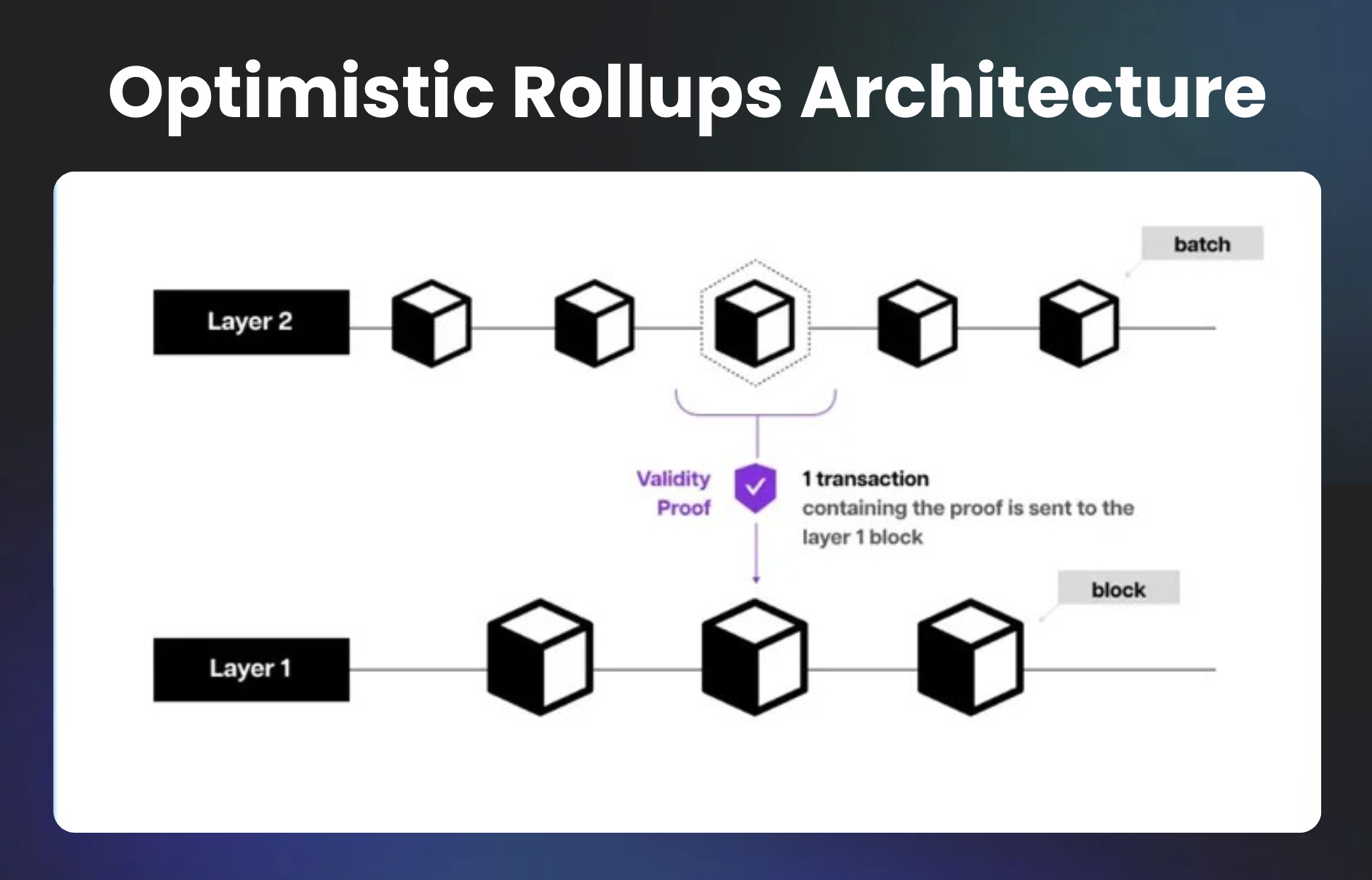
Optimism pioneered EVM equivalence, allowing developers to deploy existing Ethereum smart contracts without modification. Its OP Stack enables a modular "Superchain" architecture, where multiple chains share security and interoperability. This approach simplifies scaling while maintaining the robustness of Ethereum’s execution environment, making it ideal for projects prioritizing seamless migration and ecosystem cohesion.

2. Arbitrum: Nitro Engine and EVM Compatibility
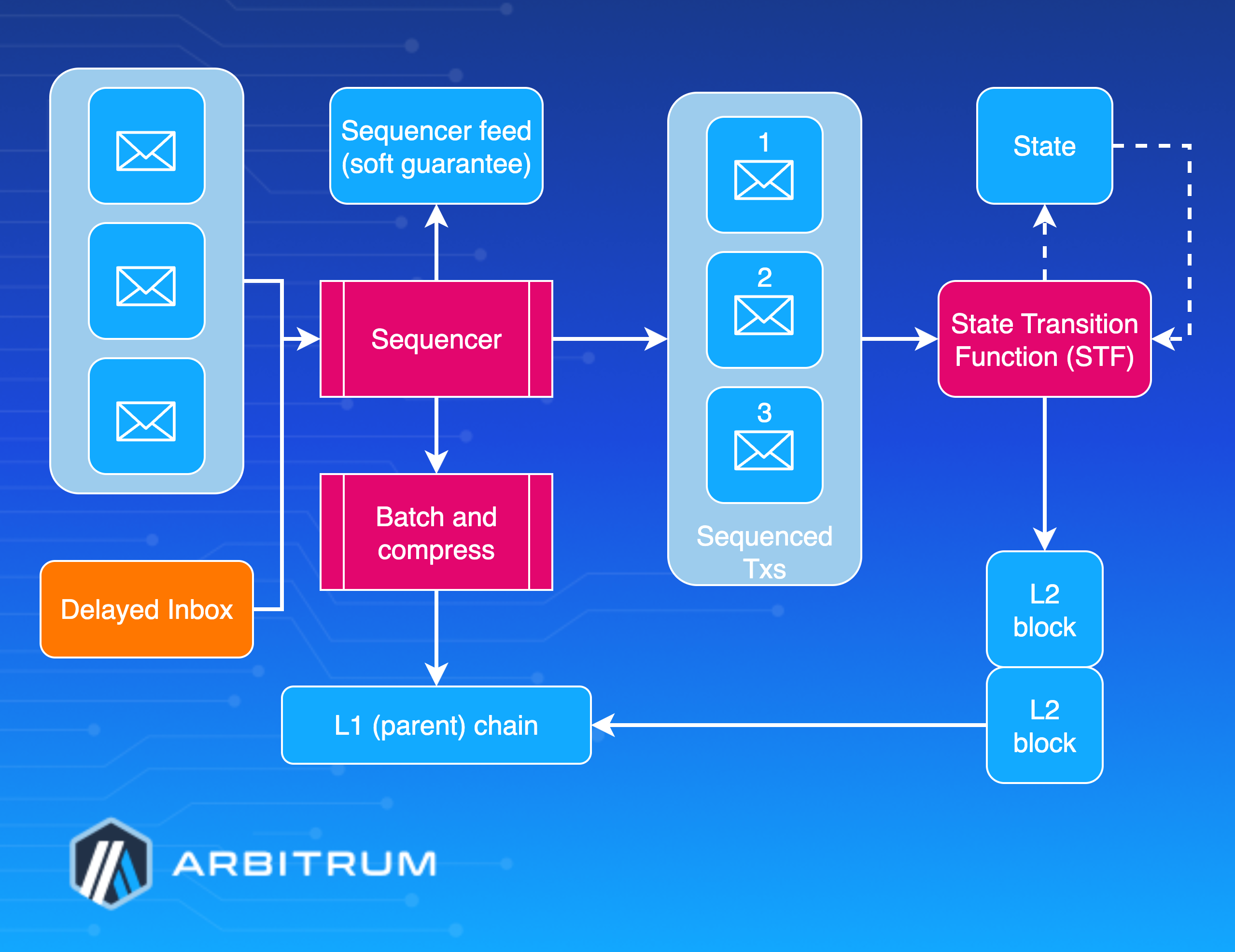
Arbitrum’s Nitro upgrade replaced its legacy codebase with a hybrid architecture combining WebAssembly and the Go Ethereum client. This shift dramatically improved transaction throughput and reduced latency while preserving full EVM compatibility. Developers benefit from faster finality and lower costs, making Nitro a top choice for high-frequency DeFi applications requiring Ethereum-level security with enhanced performance.
3. Base: Coinbase Infrastructure and Low Fees
Built by Coinbase, Base leverages the OP Stack to offer a secure, low-fee Layer 2 network. Its integration with Coinbase’s massive user base provides immediate liquidity and accessibility for mainstream users. Base focuses on simplicity and cost-efficiency, making it an attractive option for projects seeking rapid user adoption and seamless fiat on-ramps without compromising on Ethereum’s security guarantees.
4. zkSync: ZK-EVM Finality and Storage Efficiency
zkSync Era utilizes a ZK-EVM to provide immediate finality and superior storage efficiency compared to optimistic rollups. By generating zero-knowledge proofs for every transaction batch, it ensures security without relying on challenge periods. This technology is particularly suited for applications requiring high throughput and minimal latency, offering a robust solution for complex smart contract interactions with reduced gas costs.

5. Scroll: Decentralized Proofs and Ethereum Alignment
Scroll distinguishes itself by using fully decentralized zero-knowledge proofs and aligning closely with Ethereum’s EVM semantics. Its design prioritizes decentralization and security, ensuring that proof generation is not reliant on a single trusted sequencer. This approach appeals to developers and users who value a trust-minimized environment, offering a scalable solution that maintains strong compatibility with existing Ethereum tooling and standards.

Pick the right fit
Choosing a rollup framework isn't just about raw throughput. It's about matching your project's infrastructure constraints with the right consensus and security model. A framework that works for a high-frequency trading platform might be overkill—and too expensive—for a gaming sidechain.
Focus on three concrete factors: the type of validity proof you need, the existing developer ecosystem, and the finality timeline. Optimistic frameworks like OP Stack offer lower development overhead but longer withdrawal periods. ZK frameworks like Polygon zkEVM provide instant finality but require more complex circuit development.
1. Define your security baseline
Determine if you need the security of Ethereum's mainnet or if a lighter model suffices. Frameworks that fork the OP Stack (like Base or Mode) inherit Optimism's security guarantees. If you need independent security, look into modular rollups like Celestia-based rollkit, which handles data availability separately.
2. Evaluate the developer experience
Check if the framework supports Solidity or EVM compatibility. If your team already writes Solidity, an EVM-equivalent rollup like Arbitrum One or Polygon zkEVM reduces migration friction. Non-EVM frameworks often require learning new languages like Rust or Cairo, which increases hiring costs.
3. Test the withdrawal timeline
Optimistic rollups typically have a 7-day challenge period before funds can be withdrawn to Layer 1. This impacts user experience for high-value transactions. ZK-rollups finalize proofs almost instantly, making them better for applications requiring rapid capital movement.
| Framework | Type | EVM Compatible | Finality |
|---|---|---|---|
| OP Stack | Optimistic | Yes | 7 Days |
| Arbitrum | Optimistic | Yes | ~1 Week |
| Polygon zkEVM | ZK | Yes | ~1 Hour |
| Rollkit | Modular | No | Variable |
| ZKsync | ZK | Partial | ~1 Hour |
FAQ: Rollup Frameworks for 2026
Helpful gear
Use these product recommendations as a starting point, then choose the size, material, and price point that fit how you actually use the gear.

As an Amazon Associate, we may earn from qualifying purchases.
No comments yet. Be the first to share your thoughts!