
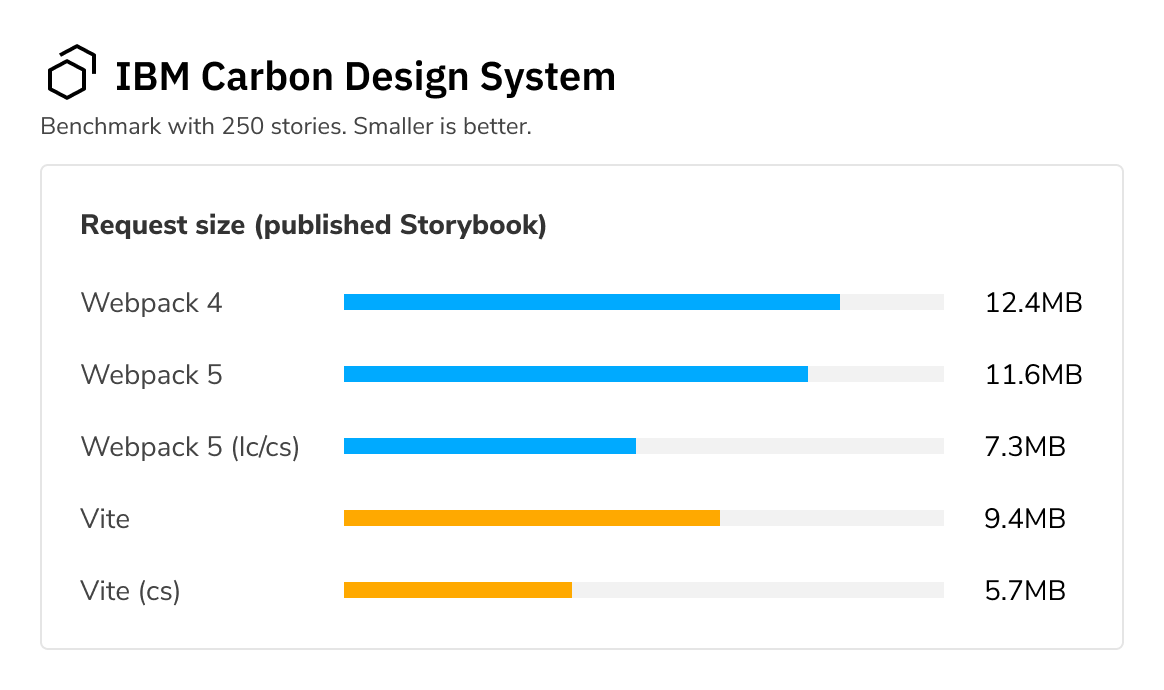
4 Rollup 2026 trends: ESM-first bundling vs Webpack 5
The shift toward ESM-first bundling is reshaping how we handle modern JavaScript projects. These Rollup 2026 trends highlight where the tool outperforms Webpack 5 in speed and simplicity. We break down the practical differences to help you choose the right build setup.
-
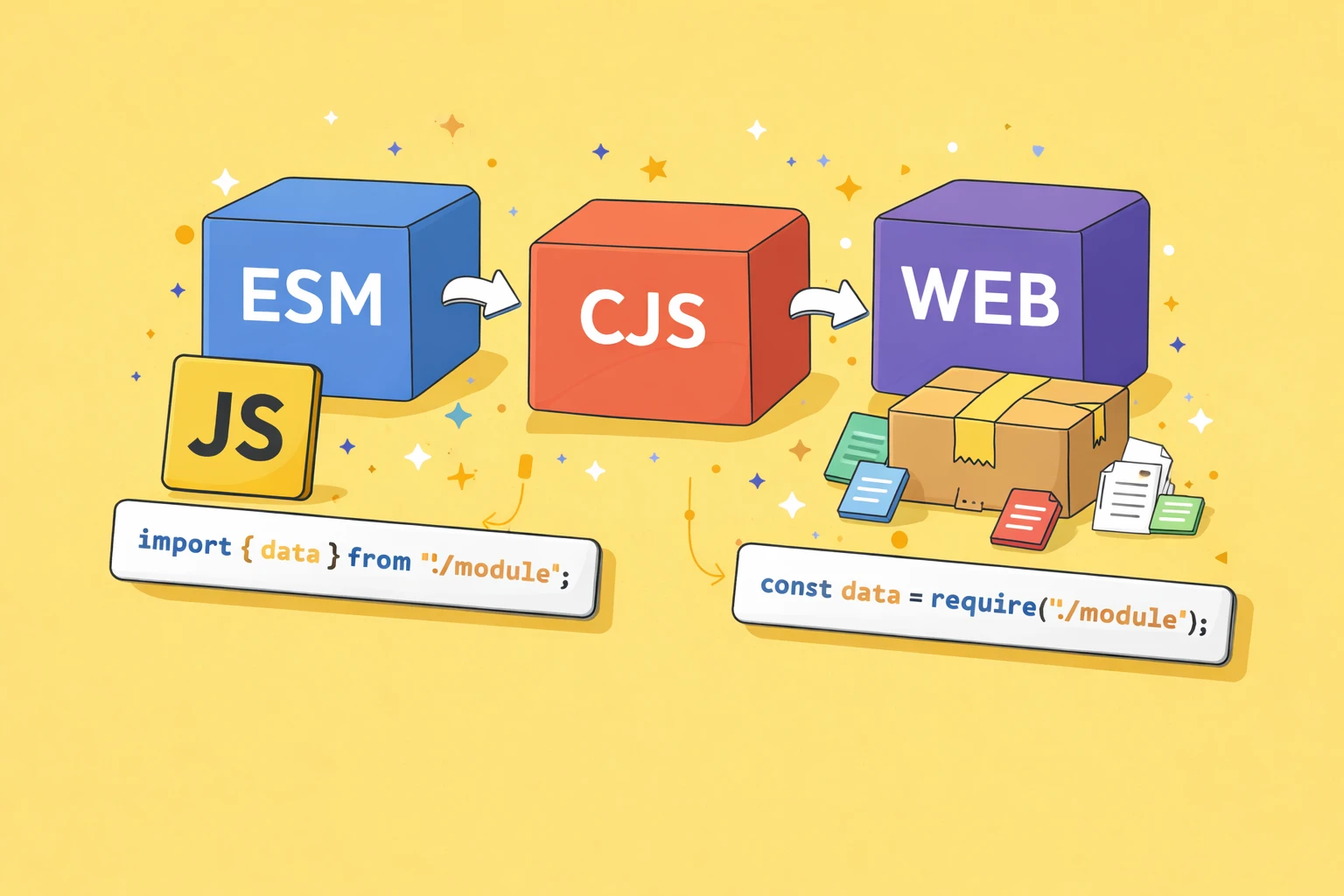
Native ESM support in Rollup 2026
Rollup 2026 trends show native ESM handling as a core strength. Unlike CommonJS, ESM allows static analysis for better optimization. This means faster builds and smaller bundles without complex configuration. Developers appreciate the straightforward syntax that aligns with modern JavaScript standards. The tool handles dynamic imports gracefully, reducing boilerplate code. This shift simplifies the development workflow significantly. -
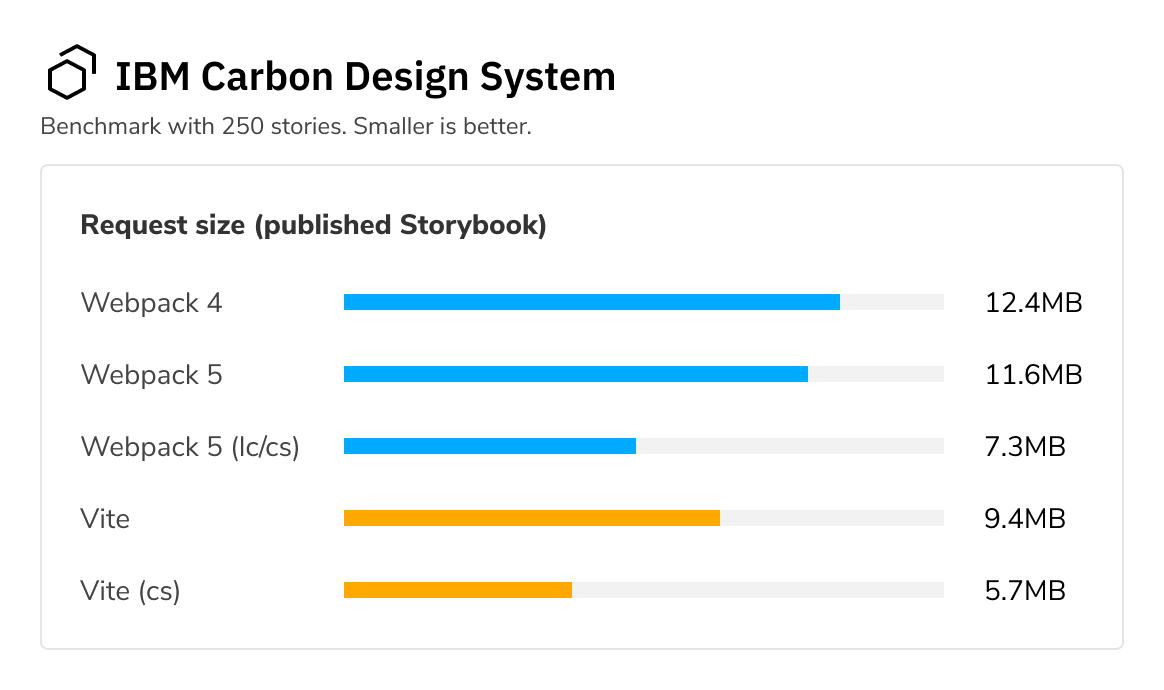
Webpack 5 persistent caching performance
Webpack 5 introduced persistent caching to speed up rebuilds. This feature stores module data on disk, skipping unnecessary reprocessing. For large projects, this reduces build times dramatically. Developers notice quicker feedback loops during active coding sessions. The cache invalidates only when source files change. This efficiency makes Webpack 5 a strong contender for maintaining legacy codebases with minimal friction. -
Tree shaking differences in both tools
Tree shaking eliminates unused code, but both tools handle it differently. Rollup excels at removing dead code due to its static nature. Webpack 5 has improved but still requires careful configuration. Developers using Rollup often see smaller bundle sizes automatically. Webpack users might need to tweak settings to achieve similar results. Understanding these nuances helps teams choose the right tool for their specific project needs. -
Plugin ecosystem compatibility challenges
Plugin compatibility remains a hurdle for both bundlers. Rollup’s plugin API differs significantly from Webpack’s. Migrating plugins often requires rewriting logic or finding alternatives. Developers face integration headaches when switching ecosystems. Webpack has a larger library of mature plugins. However, Rollup’s focused approach ensures fewer conflicts. Teams must weigh the cost of migration against the benefits of a newer tool.
The shift to ESM-first bundling
The web development landscape is quietly but firmly moving away from CommonJS. For years, Node.js and legacy bundlers relied on require() and synchronous module loading. It worked, but it forced bundlers like Webpack 5 to build complex runtime bridges to handle non-standard exports. This extra layer added weight and complexity to your bundle, slowing down both build times and initial load speeds.
Rollup 2026 trends point toward a cleaner future: native ES modules (ESM). ESM is static, meaning the JavaScript engine can analyze dependencies at compile time rather than runtime. This structural clarity allows for more aggressive tree-shaking, stripping out unused code with precision that CommonJS simply cannot match. The result is smaller, faster applications that load quicker on slower networks.
This shift isn’t just about syntax; it’s about performance. By embracing ESM-first bundling, you reduce the cognitive load of managing module formats. You stop fighting the bundler to understand what is actually being shipped to production. For developers looking at Rollup 2026 trends, the direction is clear: standardize on ESM, leverage native tree-shaking, and leave the CommonJS runtime hacks behind.
Library development with Rollup 2026 trends
When you are building a library or a reusable component, your bundler needs to think differently than it does for a full application. Webpack was designed to handle the complex web of dependencies in a browser app, often pulling in heavy runtime code and polyfills that you do not need for a module. Rollup strips away that bloat, focusing instead on delivering clean, minimal output files.
The primary advantage of Rollup 2026 trends for library authors is its support for multiple module formats in a single build. You can output standard ES modules (ESM) for modern bundlers, CommonJS for Node.js environments, and UMD bundles for direct browser inclusion. This flexibility means your users can consume your library in whatever ecosystem they prefer without you needing to maintain separate build pipelines.
Rollup also excels at tree-shaking. Because it analyzes static import and export statements, it can safely remove unused code from your final bundle. This results in smaller file sizes and faster load times for your consumers. For library developers, this means your code stays lean and efficient, avoiding the performance penalties that often come with larger, more complex bundlers.


As an Amazon Associate, we may earn from qualifying purchases.
Webpack 5: Still relevant for apps
The shift toward ESM-first bundlers like Rollup is reshaping the 2026 development landscape, but Webpack 5 remains a practical choice for specific application scenarios. While newer tools excel at static site generation and library distribution, Webpack’s mature ecosystem continues to solve complex, real-world problems for large-scale applications. Its strength lies not in raw speed, but in its ability to manage intricate dependency trees and legacy codebases that refuse to conform to modern standards.
Handling Legacy Dependencies
Many enterprise applications still rely on older libraries that were built before ES modules became the norm. Webpack 5 handles these CommonJS and UMD modules with built-in compatibility layers, reducing the need for extensive shim configurations. Rollup often requires additional plugins or manual intervention to resolve these older formats correctly. For teams maintaining decades-old codebases, Webpack’s tolerance for mixed module types prevents unnecessary refactoring debt.
Plugin Ecosystem Maturity
The Webpack plugin API is battle-tested and deeply integrated into the build process. Complex features like code splitting, dynamic imports, and asset optimization are handled by a vast library of community plugins. While Rollup’s plugin system is powerful, it is less standardized, meaning developers often have to write custom solutions for tasks that Webpack solves out of the box. This maturity makes Webpack a safer bet for applications with highly customized build requirements.
Complex Application Bundling
For monolithic applications with deep, nested dependencies, Webpack 5’s dependency graph analysis remains superior. It tracks module usage more aggressively, ensuring that only necessary code is included in the final bundle. This is particularly useful for large Single Page Applications (SPAs) where bundle size and load time are critical. While Rollup is faster for simple bundles, Webpack’s thoroughness prevents runtime errors in complex environments.
When to Choose Webpack
Webpack 5 is the right tool when your application has complex build requirements, relies on legacy dependencies, or needs advanced code splitting strategies. It is less ideal for simple libraries or static sites where Rollup’s speed and simplicity shine. Choose Webpack when you need a robust, flexible build system that can adapt to the quirks of your existing codebase.
Rollup 2026 trends: Side-by-side build tool comparison
Choosing between Rollup and Webpack 5 often comes down to what your project actually needs. Rollup 2026 trends point toward a future where ESM-first bundling is the standard for libraries and lightweight apps. Webpack 5 remains the workhorse for complex web applications with heavy dependencies. Both tools have evolved, but their core philosophies still differ.
The table below compares them on the metrics that matter most for developer productivity and final output size. Use this as a quick reference to decide which tool fits your current workflow.
| Metric | Rollup | Webpack 5 |
|---|---|---|
| Primary Use Case | Libraries, UI components, small apps | Complex web applications, SPAs |
| ESM Support | Native, ESM-first by design | Supported, but requires configuration |
| Tree-shaking | Automatic, highly effective | Effective, but needs proper module syntax |
| Configuration Complexity | Simple, opinionated defaults | Highly flexible, complex setup |
| Build Speed (Small Project) | Fast | Slower, due to plugin overhead |
Rollup’s simplicity makes it a strong choice if you are building a library or a small bundle. It gets out of your way, letting you focus on the code. Webpack 5 offers more control, which is necessary when your project has many moving parts. If you need to handle complex asset pipelines or code splitting in a large app, Webpack’s flexibility wins. For most modern ESM projects, Rollup provides a cleaner, faster experience.
Choosing the right tool for 2026
The choice between Rollup and Webpack 5 comes down to what you are building. Rollup 2026 trends point toward ESM-first bundling, which favors smaller, faster builds for libraries and modern frameworks. Webpack 5 remains the heavy lifter for complex application architectures that need deep integration with legacy modules.
Use this checklist to decide:
- Library or framework? Rollup tree-shakes dead code more effectively, resulting in smaller bundle sizes.
- Complex application? Webpack handles code splitting, hot module replacement, and module federation out of the box.
- Legacy assets? If you rely on CommonJS or non-standard module formats, Webpack’s loader system is more flexible.
Stick with Rollup if your goal is pure ESM output and minimal configuration. Choose Webpack if your project requires a highly customizable pipeline with diverse asset handling.
Common questions about bundling
Here are answers to the technical questions developers ask most often about Rollup 2026 trends and ESM-first bundling.
No comments yet. Be the first to share your thoughts!