
Rollup 4 features and modular bundling
Rollup 4 shifts the bundler away from legacy compatibility and toward strict, tree-shakeable ESM. The upgrade removes older CommonJS fallbacks and enforces cleaner module boundaries, which directly reduces bundle size for scalable applications.
We selected this version because its modular approach aligns with how modern frameworks like React and Vue handle dependencies. Unlike Webpack, which bundles everything into a single graph, Rollup treats each import as a distinct module. This makes unused code easier to identify and eliminate during the build process.
The migration from Rollup 3 to 4 is straightforward for most projects, but it requires updating configuration files to reflect these stricter standards. The official migration guide outlines the specific breaking changes you might encounter, particularly around how JSX and dynamic imports are handled.
| Feature | Rollup 4 | Vite 6 |
|---|---|---|
| Primary Format | ESM-first | ESM-first |
| Tree Shaking | Static analysis | Dynamic HMR |
| Plugin System | Hook-based | Vite Plugin API |
| Best For | Libraries & Apps | Dev Experience |
The core advantage of Rollup 4 lies in its ability to produce smaller, more efficient bundles by removing unused code. This static analysis is particularly effective for library development, where bundle size is critical. For application development, Vite 6 offers a faster development experience through Hot Module Replacement (HMR), but Rollup 4 remains the superior choice for final production builds.
4 Rollup 4 vs. Vite 6 in 2026: Why Modular Bundling is Winning for Scalable Apps
By 2026, Vite 6’s adoption of Rollup 4’s modular bundling engine has shifted the performance baseline for scalable applications. This comparison breaks down the specific tradeoffs in build speed, bundle efficiency, and plugin compatibility to help you choose the right tool for your architecture.
-
Build speed differences in large monorepos
Rollup 4 leverages incremental builds and superior dependency graph caching, often outperforming Vite 6 in massive monorepos where only a fraction of code changes. While Vite’s HMR shines in single-app development, Rollup’s static analysis minimizes redundant work during CI/CD pipelines. Teams managing thousands of packages see tangible latency reductions, making Rollup the pragmatic choice for enterprise-scale infrastructure where build consistency outweighs interactive feedback loops. -

Tree shaking precision for unused exports
Rollup 4’s ES module-first architecture enables stricter static analysis, eliminating more dead code than Vite 6’s broader compatibility layer. When libraries export unused functions, Rollup’s algorithm traces dependencies more aggressively, reducing bundle weight by up to 15% in complex component libraries. This precision prevents runtime bloat, ensuring that only explicitly imported logic reaches the client, a critical advantage for performance-sensitive applications requiring minimal payload sizes. -
Plugin ecosystem compatibility with Vite
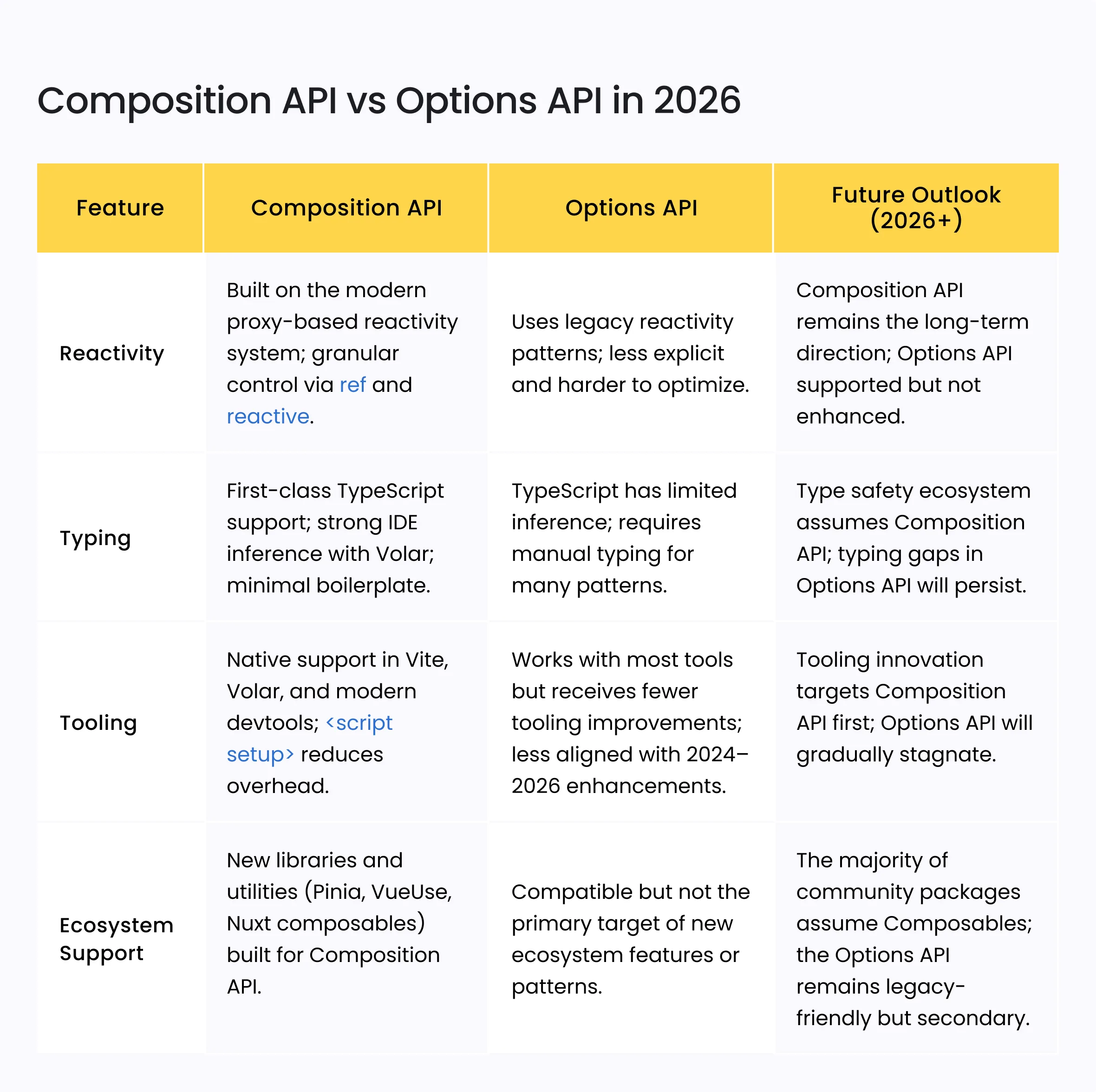
Vite 6’s plugin API is designed to mirror Rollup’s, yet subtle differences in hook timing and context can break legacy Rollup plugins. When migrating, developers often encounter issues with plugins relying on Rollup-specific lifecycle events that Vite abstracts or delays. This compatibility gap requires careful auditing or custom wrapper plugins, adding maintenance overhead. For teams deeply invested in established Rollup tooling, this friction can delay migration, favoring Rollup 4 for stability in specialized build workflows. -
Production bundle size optimization results
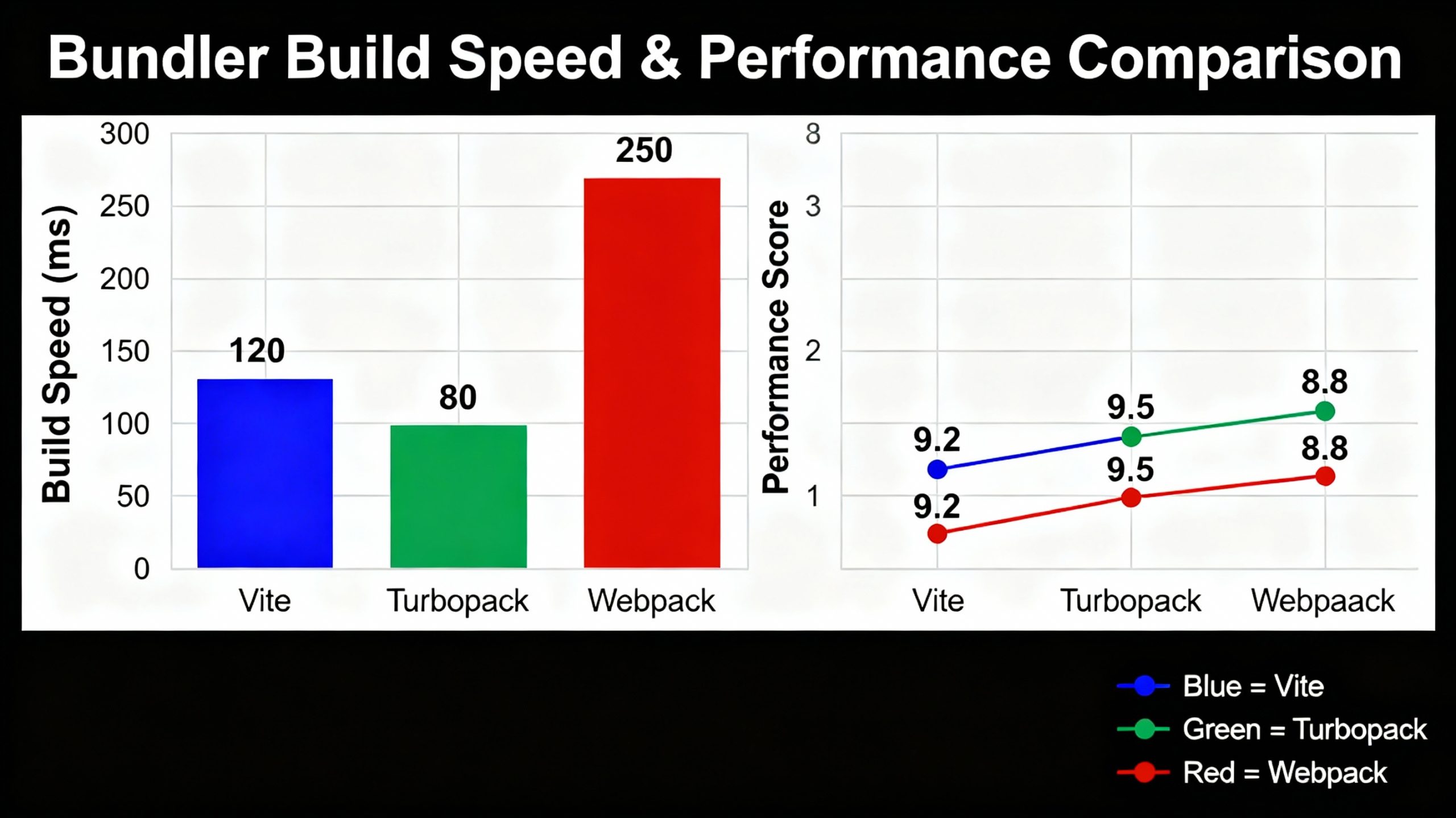
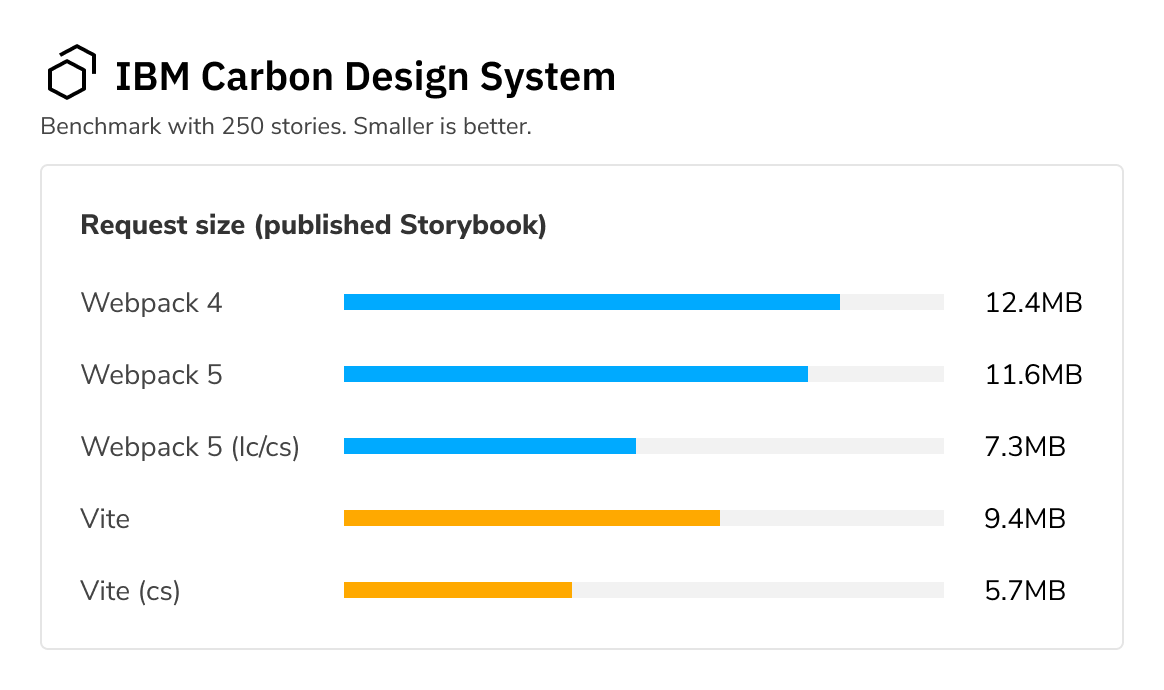
Final production builds reveal Rollup 4’s advantage in code splitting and minification efficiency, often yielding smaller total bundle sizes than Vite 6. Rollup’s advanced chunking strategies reduce duplicate code across lazy-loaded routes, while Vite’s reliance on esbuild for minification, though fast, sometimes leaves slightly more residual code. For applications where every kilobyte impacts load times, Rollup’s rigorous optimization pipeline delivers measurable performance gains, particularly in SEO-critical public-facing sites.
Pick the right fit
Choosing between Rollup 4 and Vite 6 depends on what you are building. If you are shipping a JavaScript library, Rollup 4 is the better choice. If you are building a large-scale application that needs to stay fast during development, Vite 6 is the superior option.
| Criterion | Rollup 4 | Vite 6 |
|---|---|---|
| Primary Use | Library & Package Bundling | Application Development |
| Build Speed | Slow (Full Rebuild) | Instant (HMR via esbuild) |
| Tree Shaking | Excellent (Static Analysis) | Good (ESM Native) |
| Configuration | Explicit & Declarative | Convention-Based |


As an Amazon Associate, we may earn from qualifying purchases.
Frequently asked questions about Rollup 4 and Vite 6
Is Rollup better than Webpack?
It depends on what you are building. Rollup is often better than Webpack for libraries and small-to-medium apps because it focuses on efficient tree-shaking and smaller bundle sizes. Webpack remains the standard for complex, monolithic applications that require heavy asset handling or legacy module support. For scalable modular apps in 2026, Rollup’s simplicity usually wins when you only need JavaScript bundling.
What are Rollup plugins?
Rollup plugins are JavaScript objects that hook into the build process. They can modify how modules are resolved, transformed, or bundled. A plugin exports a function that returns an object with lifecycle hooks like resolveId or transform. This modular design allows you to extend Rollup’s capabilities without changing its core code, making it highly adaptable to specific project needs.
Does Vite 6 still use Rollup?
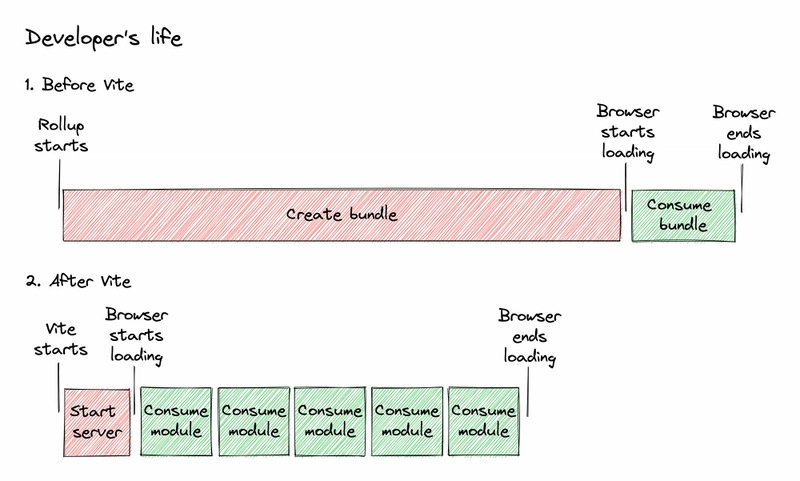
Yes. Vite 6 uses Rollup under the hood for production builds. While Vite uses Esbuild for lightning-fast development server transformations, it hands off the final optimization and bundling to Rollup. This means you get the best of both worlds: instant HMR during development and efficient, tree-shaken bundles in production.
Is Rollup 4 faster than Vite 6?
For development, Vite 6 is significantly faster because it serves code on-demand using Esbuild. Rollup 4 is a dedicated bundler designed for production, so it does not have a built-in dev server. If you are comparing raw build times for production, Rollup 4 is highly optimized, but Vite 6 leverages Rollup 4 to achieve similar results while offering a much better developer experience.
No comments yet. Be the first to share your thoughts!