
Why rollup frameworks dominate 2026
The Ethereum 2026 roadmap is officially rollup-centric. The network is shifting to a model where Layer 1 handles security and data availability, while computation moves to Layer 2 solutions. This architectural change means choosing a rollup framework is no longer just a development preference; it is a critical infrastructure decision for any project building on Ethereum.
Projects like Arbitrum and zkSync are leading this transition. Developers must now select frameworks that align with this new hierarchy. The choice impacts scalability, security, and interoperability. As the network matures, the framework selection will define the performance and reliability of the application.
This shift requires a clear understanding of the trade-offs between different rollup types. Optimistic rollups and zero-knowledge rollups each offer distinct advantages. The right framework depends on the specific needs of the project. In 2026, the most successful projects will be those that leverage the right rollup infrastructure from the start.
5 Rollup Frameworks for Ethereum Scaling in 2026
By 2026, the Ethereum scaling landscape has consolidated around five dominant rollup frameworks, each offering distinct trade-offs in throughput and finality. This analysis evaluates Arbitrum, zkSync, Optimism, Base, and Polygon zkEVM based on their official 2026 documentation and network performance metrics to support infrastructure selection.
1. Arbitrum Orbit for optimistic scaling
Arbitrum Orbit enables custom optimistic rollups with standardized security via the ArbOS stack. Teams deploy sovereign chains sharing security with Ethereum mainnet. This architecture reduces gas costs while maintaining EVM equivalence. The framework supports flexible data availability options, making it suitable for high-volume decentralized applications requiring predictable transaction finality.
2. zkSync Era for zero-knowledge speed
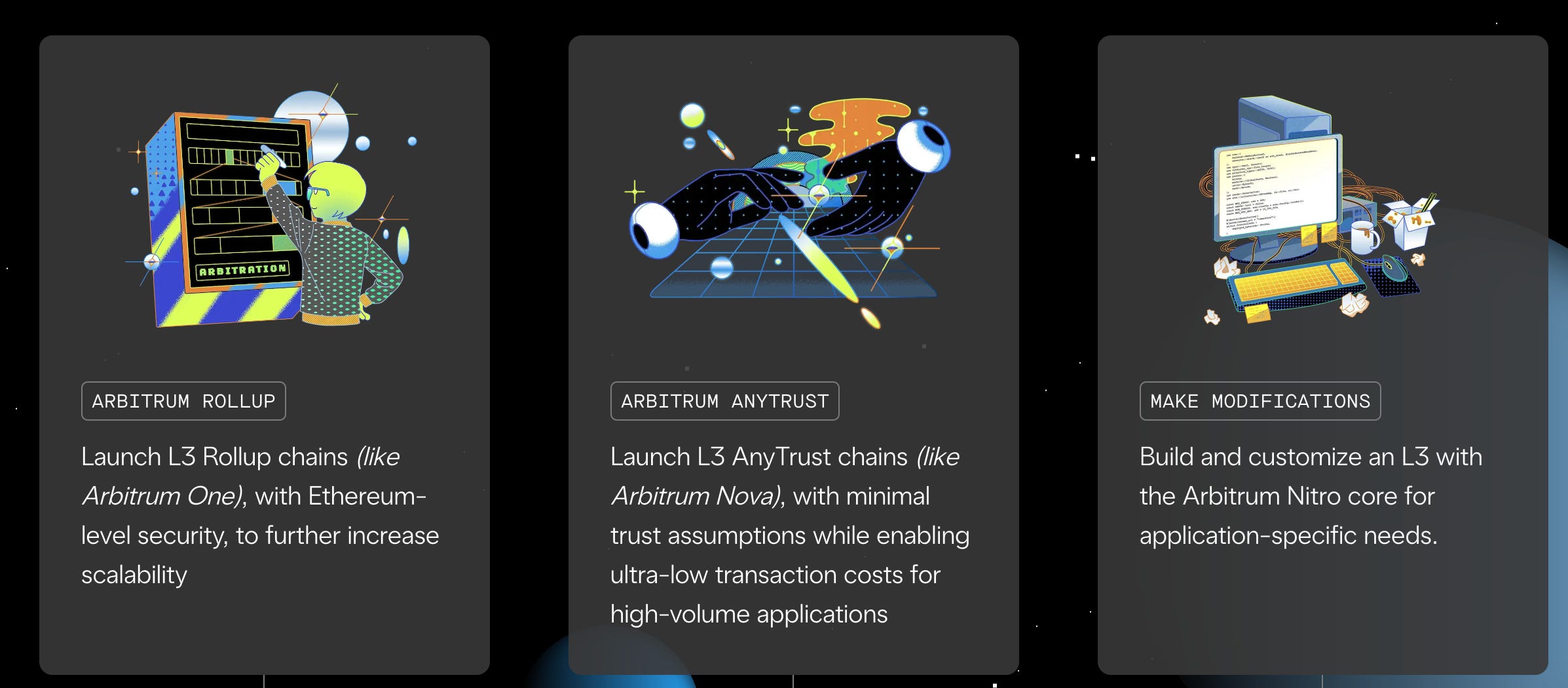
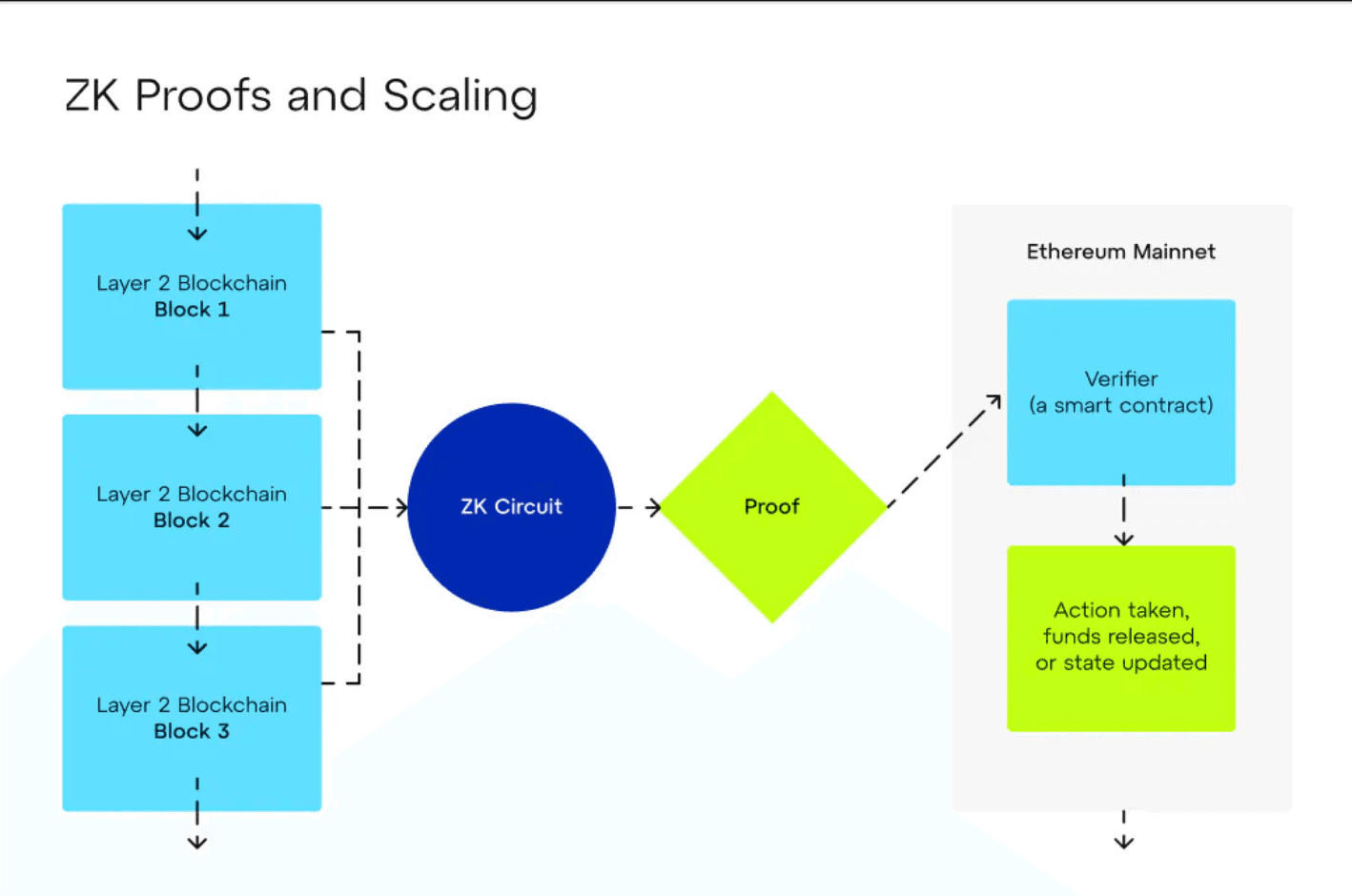
zkSync Era utilizes STARK-based zero-knowledge proofs to achieve high throughput and low fees. Its native account abstraction simplifies user onboarding by allowing gas payments in any ERC-20 token. The network processes transactions in batches, offering immediate finality without interactive challenges. This approach provides a robust infrastructure for DeFi protocols demanding rapid settlement times.
3. Polygon zkEVM for enterprise compatibility
Polygon zkEVM delivers full EVM equivalence using zero-knowledge technology, allowing seamless migration of existing smart contracts. It offers institutional-grade security with provable validity, appealing to regulated financial entities. The network supports standard development tools like Hardhat and Foundry, minimizing integration friction. This compatibility ensures that enterprise applications can scale efficiently without rewriting core logic.
4. Starknet for high-throughput applications
Starknet employs STARK proofs to process large transaction batches off-chain, significantly reducing on-chain data costs. Its custom Cairo programming language enables high-level optimization for complex computational tasks. The network achieves high throughput by compressing state transitions efficiently, making it ideal for gaming and high-frequency trading applications requiring massive scalability.

5. Matter Labs for modular infrastructure
Matter Labs provides a modular blockchain infrastructure that separates execution, settlement, and data availability layers. This design allows developers to customize each component independently, enhancing flexibility and performance. By leveraging advanced zero-knowledge cryptography, the framework ensures secure and efficient scaling. This modularity supports diverse use cases, from specialized financial instruments to complex decentralized identity systems.

Comparing rollup framework costs
Selecting a rollup framework requires weighing security guarantees against transaction speed and developer familiarity. Arbitrum, zkSync, Polygon, Starknet, and Linea each offer distinct trade-offs in security models, finality times, and EVM compatibility. The table below outlines these differences to help infrastructure teams align their technical stack with project requirements.
| Framework | Security Model | Finality Time | EVM Compatibility |
|---|---|---|---|
| Arbitrum | Optimistic (fraud proofs) | 7 days | Full (Arbitrum OS) |
| zkSync | ZK (validity proofs) | ~10-20 mins | Partial (ZK EVM) |
| Polygon | Optimistic / ZK | ~2 mins (PoS) | Full (Polygon CDK) |
| Starknet | ZK (STARKs) | ~20 mins | |
| Linea | ZK (validity proofs) | ~10 mins | Full (Linea Virtual Machine) |
Arbitrum relies on optimistic fraud proofs, meaning transactions are assumed valid unless disputed. This model allows for full EVM compatibility but introduces a seven-day challenge period for withdrawals to Ethereum Layer 1. This delay ensures security but may impact user experience for applications requiring immediate liquidity. Conversely, zkSync and Starknet use zero-knowledge validity proofs, offering faster finality and stronger security guarantees without the withdrawal delay. However, their EVM compatibility varies, with Starknet requiring developers to learn the Cairo programming language.
Polygon and Linea offer a middle ground. Polygon’s infrastructure supports both optimistic and ZK models, providing flexibility for different use cases. Linea focuses on full EVM compatibility via its ZK Virtual Machine, allowing existing Ethereum developers to migrate applications with minimal code changes. The choice ultimately depends on whether the project prioritizes immediate finality and security (ZK) or developer ease and existing tooling (Optimistic/EVM).


As an Amazon Associate, we may earn from qualifying purchases.
For teams managing significant treasury assets or participating in governance, securing private keys is non-negotiable. Hardware wallets provide an essential layer of protection against online threats. The Ledger Nano X and Trezor Model T are widely used due to their broad asset support and user-friendly interfaces. For Bitcoin-centric operations, the Coldcard Mk4 offers specialized security features like air-gapped transactions, ensuring keys never touch an internet-connected device.
No comments yet. Be the first to share your thoughts!