
Pick the right rollup stack
Choosing a rollup framework requires aligning your launch speed with your security model. In 2026, the market is dominated by three primary stacks: OP Stack, Arbitrum Orbit, and ZK Stack. Each offers a distinct path to building a Layer 2 chain, balancing the tradeoff between developer velocity and cryptographic assurance.
OP Stack
OP Stack, originally developed by Optimism, is the most modular framework for launching Optimistic rollups. Its core value proposition is rapid deployment. Because it leverages Ethereum's existing security model without the overhead of zero-knowledge proof generation, teams can launch a mainnet-ready chain in days rather than months. The ecosystem is mature, with a vast library of pre-built tools, standard contracts, and a strong community of developers familiar with its EVM-equivalent environment.
Chains like Base and Worldcoin have successfully used OP Stack to scale rapidly. This stack is ideal for projects that prioritize speed to market and developer experience over immediate, independent cryptographic security. It relies on the broader Optimism Superchain vision, allowing for shared sequencing and interoperability between chains built on the same stack.
Arbitrum Orbit
Arbitrum Orbit is the framework powering Arbitrum's ecosystem of chains. Like OP Stack, it is designed for Optimistic rollups but offers a different set of tradeoffs, particularly around customization and data availability. Orbit allows developers to choose their own data availability layer, which can significantly reduce costs and improve throughput for specific use cases. This flexibility makes it a strong choice for high-throughput applications or enterprise projects that need granular control over their chain's economic model.
Projects like GMX and Camelot have leveraged Orbit's architecture to build high-performance decentralized exchanges and liquidity protocols. The framework is particularly attractive for teams that want the security benefits of Ethereum settlement but need the flexibility to tailor their chain's data and sequencing mechanics.
ZK Stack
ZK Stack represents the cutting edge of rollup technology, focusing on zero-knowledge proof generation. Unlike Optimistic stacks, ZK rollups offer immediate finality and stronger cryptographic security guarantees. However, this comes at the cost of significant complexity. Developing a ZK rollup requires expertise in cryptography, circuit design, and proof generation, making the development timeline much longer and the barrier to entry higher.
Despite the steep learning curve, ZK Stack is becoming the preferred choice for projects where security and finality are paramount. As ZK technology matures and tooling improves, the gap in development speed is narrowing. Chains built on ZK Stack are increasingly seen as the gold standard for security, appealing to institutional players and high-value DeFi applications that cannot afford the risk of fraud proofs.

![Internet Splitter 1 in 4 Out, Gigabit Ethernet LAN Splitters High Speed 1000Mbps RJ45 Ethernet Switch for Cat8/7/6/5e/5 Cable [4 Devices Simultaneous Networking]](https://m.media-amazon.com/images/I/715NJUfkSNL._AC_UY654_QL65_.jpg)
As an Amazon Associate, we may earn from qualifying purchases.
OP Stack vs. Orbit vs. ZK Stack
The three dominant rollup frameworks—OP Stack, Arbitrum Orbit, and ZK Stack—represent distinct architectural choices for launching Layer 2 networks. Each stack optimizes for different tradeoffs between launch speed, security assumptions, and economic efficiency. Understanding these differences is essential for developers choosing a foundation for their chain.
OP Stack: Modular Simplicity
Developed by Optimism, the OP Stack is an open-source software stack that allows developers to spin up custom chains with minimal friction. It relies on optimistic rollup technology, meaning transactions are assumed valid unless a fraud proof is submitted within a seven-day challenge period. This model offers fast transaction finality and high throughput but requires users to wait for the withdrawal window to exit the chain. Major chains like Base and Superchain members use this framework for its modularity and strong developer tooling.
Arbitrum Orbit: Flexibility and Security
Arbitrum Orbit is a framework built on top of the Arbitrum Nitro virtual machine, designed to help teams launch app-chains or full Layer 2s. It inherits the security of the main Arbitrum network while allowing for significant customization. Orbit supports both optimistic rollups and custom state transitions, making it versatile for projects that need unique execution environments. Chains like GMX and Pendle leverage Orbit’s architecture to balance performance with the security guarantees of the Arbitrum ecosystem.
ZK Stack: Cryptographic Assurance
ZK Stack, primarily associated with Matter Labs (StarkEx/StarkNet) and other zero-knowledge proponents, focuses on validity rollups. Instead of relying on challenge periods, it uses cryptographic proofs to verify transaction validity instantly. This approach offers faster withdrawals and stronger security assumptions but comes with higher computational complexity and development overhead. As ZK technology matures, stacks like ZK Stack are becoming the preferred choice for projects prioritizing instant finality and data availability.
| Feature | OP Stack | Arbitrum Orbit | ZK Stack |
|---|---|---|---|
| Security Model | Fraud Proofs (7-day window) | Fraud Proofs (Nitro VM) | Validity Proofs (Instant) |
| Launch Complexity | Low | Medium | High |
| Withdrawal Speed | Slow | Slow | Fast |
| Target Audience | Modular chains, L3s | App-chains, L2s | High-security, low-latency |

The choice between these frameworks often comes down to the project's specific needs. If speed and ease of deployment are priorities, OP Stack or Orbit may be more suitable. For applications requiring immediate finality and maximum security, ZK Stack is the stronger candidate. Each stack continues to evolve, with ongoing improvements in proof generation speeds and developer experience narrowing the gaps between them.
OP Stack: Speed and Ecosystem
The OP Stack, originally built by Optimism, prioritizes rapid deployment through a modular design that separates the execution layer from consensus. This architecture allows developers to spin up a custom rollup in days rather than months. By reusing Ethereum’s execution environment, teams can port existing Solidity smart contracts with minimal friction, making it the go-to choice for projects seeking fast time-to-market without rewriting their core logic.
A defining feature of the OP Stack is the Superchain vision, which aims to connect multiple OP-based chains into a unified ecosystem. This shared security model allows chains to benefit from a common sequencer and data availability layer, reducing operational overhead. Projects like Base, Zora, and World Chain leverage this infrastructure to create a network effect where liquidity and users can flow more freely between interconnected chains, rather than existing in isolated silos.
Developer tooling is another area where the OP Stack excels. The ecosystem offers robust support for indexing, analytics, and user experience through established partners like Alchemy and Infura. The op-geth client provides a familiar development environment for Ethereum developers, lowering the barrier to entry. While this speed and ease of use come with trade-offs in finality speed compared to ZK solutions, the OP Stack remains a dominant force for applications that value immediate transaction confirmation and a mature developer experience.
Arbitrum Orbit: Flexibility and fraud proofs
Arbitrum Orbit occupies a distinct space in the rollup ecosystem by decoupling execution from the security layer. Instead of forcing every project to rebuild the underlying consensus engine, Orbit allows developers to spin up customizable app-chains that settle on Arbitrum Nova or Arbitrum One. This architecture leverages the maturity of Arbitrum’s existing fraud-proof infrastructure, providing a proven security model without requiring teams to implement complex ZK circuits from scratch.
The primary advantage here is speed to market combined with high configurability. Teams can define their own gas token, adjust block times, and choose their sequencer setup while inheriting the fraud-proof guarantees of the parent chain. This makes Orbit particularly suitable for projects that need dedicated throughput or specific economic models but want to avoid the operational overhead of running an independent L1.
This approach has already attracted several notable deployments. For instance, Treasure DAO launched its decentralized gaming ecosystem on Orbit to handle high-frequency transactions without congesting the main Ethereum network. Similarly, other specialized chains have used Orbit to create isolated environments for specific DeFi or social applications, demonstrating the stack’s ability to balance flexibility with the security of a shared settlement layer.
ZK Stack: Zero-knowledge security
ZK Stack prioritizes cryptographic finality, offering the highest level of security among the three frameworks. Unlike optimistic rollups that assume validity by default, ZK rollups generate a mathematical proof for every block. This proof is verified on Ethereum before the state is updated, meaning there is no challenge period and no need to wait for a delay window. The result is immediate finality with a security model that relies on cryptography rather than economic incentives or game theory.
This approach requires a significantly higher technical barrier for developers. Building on ZK Stack means working with zero-knowledge circuits, which are complex to write and debug. Developers must use specialized languages like Halo2 or Noir to construct the proof circuits that validate transactions. This complexity can slow down initial development cycles compared to the more familiar EVM-compatible environments of OP Stack or Arbitrum Orbit.
Despite the steep learning curve, the architecture supports chains that demand strict security guarantees. Projects like Linea and Scroll have launched on ZK Stack to leverage its robust verification layer. These chains benefit from the same security assumptions as Ethereum itself, making them attractive for applications handling high-value assets or requiring institutional-grade compliance. The tradeoff is clear: you gain stronger security and faster finality, but you must invest more engineering resources into the proof generation pipeline.
Choosing the right rollup framework
Selecting a rollup framework requires balancing three competing priorities: time to market, security guarantees, and architectural flexibility. There is no single best option; the right choice depends on whether your project values speed, trustlessness, or customizability. The following steps outline how to match your specific constraints to the correct stack.
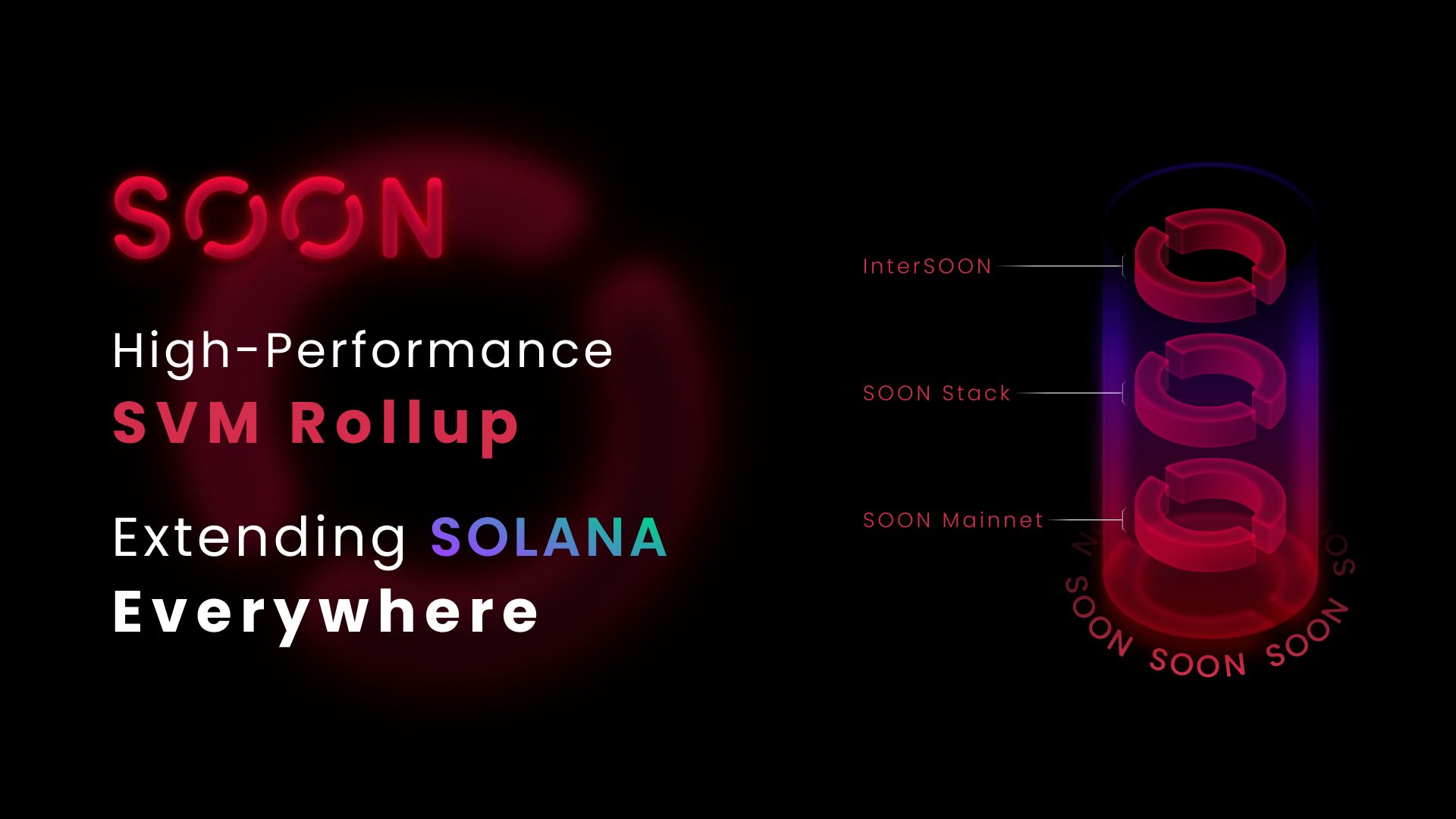
Use the OP Stack if you need to launch quickly and want access to a large pool of Solidity developers. It is an optimistic rollup framework that inherits Ethereum's security model without the complexity of zero-knowledge proof generation. This approach reduces initial development time but requires managing a sequencer and handling the 7-day withdrawal period for users. Projects like Base and Linea use this stack for its proven stability and ease of integration.
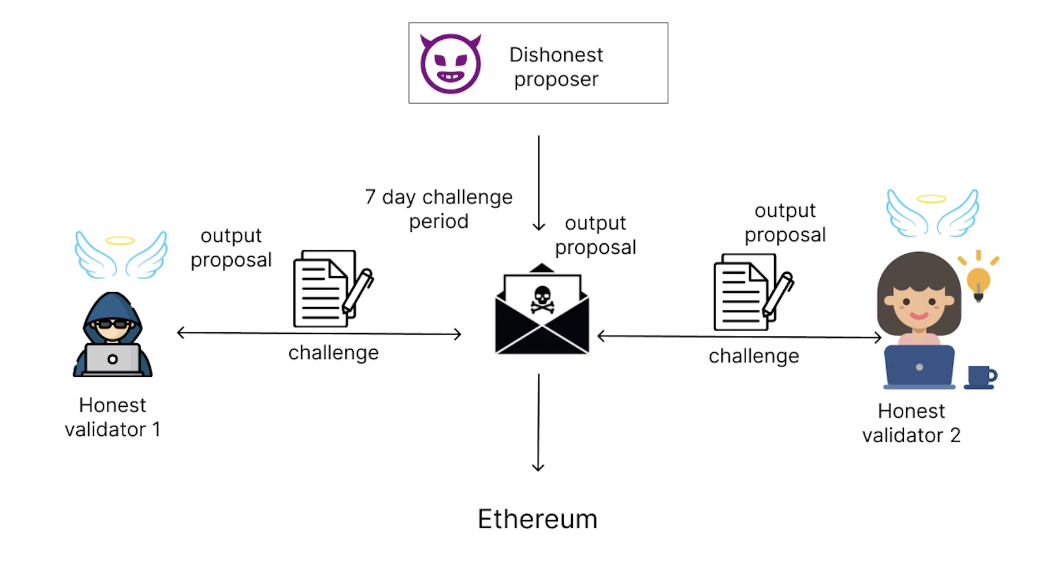
Choose a ZK Stack when cryptographic security and instant finality are non-negotiable. Zero-knowledge rollups generate mathematical proofs that verify transactions off-chain, allowing for faster user withdrawals and stronger security guarantees than optimistic models. While the development curve is steeper due to zkEVM constraints, this stack is ideal for high-value DeFi applications where trust minimization is critical. Projects like zkSync and Scroll rely on this architecture to offer robust, trustless execution.
Select Arbitrum Orbit if you need to build a highly customized AppChain with specific virtual machines or data availability settings. Orbit allows developers to fork the Arbitrum Nitro stack, offering deep control over the node software and consensus mechanism. This is the best fit for enterprises or large-scale gaming platforms that require tailored governance and performance tuning, as seen with projects like GMX and Camelot.
| Framework | Type | Best For | Key Tradeoff |
|---|---|---|---|
| OP Stack | Optimistic | Speed to market | 7-day withdrawal window |
| ZK Stack | Zero-Knowledge | Security & finality | Complex development |
| Arbitrum Orbit | AppChain | Customization | Higher maintenance |
No comments yet. Be the first to share your thoughts!