
Which rollup framework fits your chain
Choosing a rollup framework is a capital allocation decision. The wrong stack locks you into technical debt; the right one aligns with your security model and developer ecosystem. The four dominant options—OP Stack, ZK Stack, Arbitrum Orbit, and Polygon CDK—serve distinct strategic purposes.
OP Stack offers the strongest alignment with Ethereum’s consensus. It is the standard for social consensus and modular flexibility, ideal for chains prioritizing Ethereum security and EVM equivalence. ZK Stack provides cryptographic security through zero-knowledge proofs, best for applications requiring the highest level of data availability guarantees and privacy. Arbitrum Orbit excels in EVM equivalence and developer experience, making it the pragmatic choice for teams migrating existing Solidity applications. Polygon CDK focuses on modular flexibility, allowing chains to customize their sequencer and data availability layers independently.
This comparison table maps these frameworks to their primary use cases. Use it to filter options based on your specific technical constraints and business goals.
| Framework | Primary Strength | Best For |
|---|---|---|
| OP Stack | Ethereum Alignment | Social consensus, modular chains |
| ZK Stack | Cryptographic Security | Privacy, high-security data availability |
| Arbitrum Orbit | EVM Equivalence | EVM migration, developer experience |
| Polygon CDK | Modular Flexibility | Custom sequencer and DA layers |
OP Stack vs ZK Stack architecture
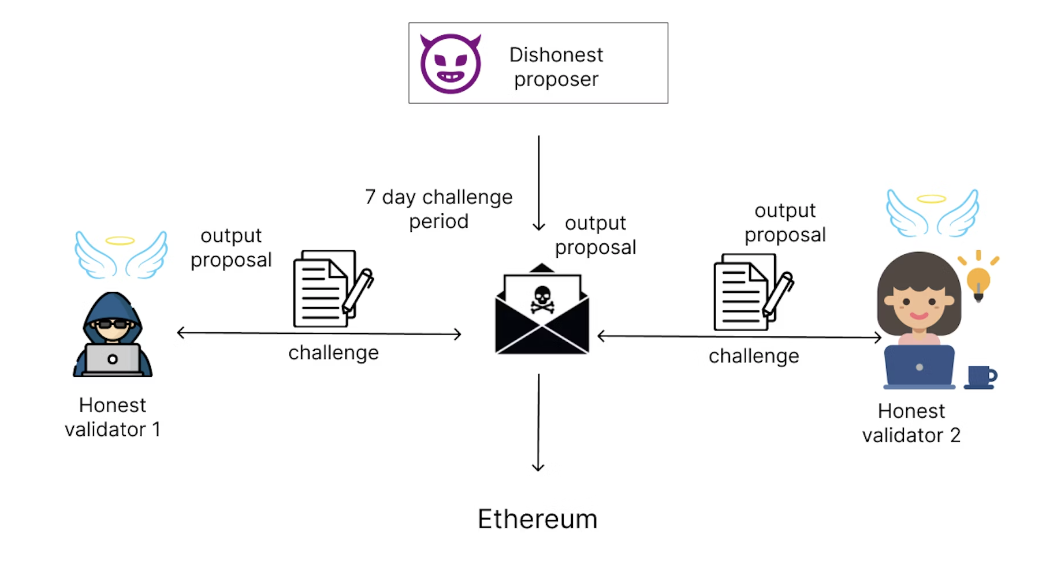
The choice between Optimistic and ZK rollups is a fundamental architectural decision that dictates security guarantees, finality speeds, and developer overhead. OP Stack relies on a trust model where transactions are assumed valid unless challenged, while ZK Stack uses cryptographic proofs to verify validity instantly. This divergence creates distinct trade-offs in gas efficiency, withdrawal times, and the complexity of the verification layer.
OP Stack frameworks, such as those powering Optimism, batch transactions offchain and post compressed data to Ethereum. The security model hinges on a seven-day challenge period; if a fraud proof is submitted within this window, invalid states are reverted. This approach offers high EVM compatibility and lower immediate costs but introduces latency for users withdrawing funds. ZK Stack frameworks, including those used by zkSync and StarkNet, generate zero-knowledge proofs (validity proofs) that are verified on-chain. This eliminates the challenge period, providing near-instant finality for withdrawals, though the computational cost of generating proofs can be higher and the development stack less universally compatible with standard EVM tooling.
The following comparison highlights the core technical differences between these two rollup paradigms.
| Feature | OP Stack (Optimistic) | ZK Stack (Validity) |
|---|---|---|
| Security Model | Fraud proofs (7-day challenge) | |
| Security Model | Validity proofs (instant verification) | |
| Finality Time | ~7 days for withdrawals | |
| Finality Time | Minutes to hours | |
| Gas Costs | Lower on-chain posting costs | |
| Gas Costs | Higher proof generation costs | |
| EVM Compatibility | Full EVM equivalence | |
| EVM Compatibility | Partial or custom EVM | |
| Developer Complexity | Standard tooling | |
| Developer Complexity | Specialized zk tooling |
The decision ultimately rests on whether your project prioritizes immediate user liquidity and fast withdrawals (ZK) or maximum compatibility and lower operational overhead (OP). For most general-purpose applications, the OP Stack offers a smoother path to deployment due to its EVM parity. However, for high-frequency trading or applications requiring strict, instant finality guarantees, ZK Stack architectures provide a superior security and speed profile despite the steeper learning curve.
Arbitrum Orbit and Polygon CDK
Arbitrum Orbit and Polygon CDK represent the modular approach to building specialized Layer-2s. Unlike monolithic chains that bundle execution, settlement, and data availability, these frameworks provide the tooling to spin up independent chains that inherit security from their respective base layers. This modularity is critical for applications requiring specific throughput guarantees, custom fee markets, or distinct tokenomics that do not fit the generic EVM template.
Arbitrum Orbit
Arbitrum Orbit is designed for developers who need the flexibility of an appchain while leveraging the security and liquidity of the Arbitrum ecosystem. It supports both Arbitrum Nitro and legacy tech stacks, allowing teams to choose between high-performance EVM equivalence and broader compatibility. Orbit chains settle on Arbitrum One or Arbitrum Nova, depending on the desired balance between cost and security. This structure is particularly effective for gaming ecosystems or DeFi protocols that require dedicated state management without fragmenting liquidity across unrelated L2s.
Polygon CDK
The Polygon Chain Development Kit (CDK) operates on a similar modular principle but integrates deeply with Polygon’s shared security model. CDK allows developers to configure custom execution environments, ranging from EVM-equivalent chains to ZK-VM chains, all secured by Polygon PoS or Polygon zkEVM. The framework emphasizes interoperability, enabling seamless asset transfers between CDK chains and the Polygon mainnet. This is advantageous for enterprises or public sector projects that need to maintain regulatory compliance or specific data sovereignty while benefiting from Polygon’s established validator network.
Choosing the Modular Path
The decision between Orbit and CDK often hinges on existing ecosystem alignment. If your application thrives within the Arbitrum developer community and relies on its specific rollup technology, Orbit provides a direct path to an appchain. Conversely, if you require a broader range of execution environments or deeper integration with Polygon’s shared security infrastructure, the CDK offers a more versatile foundation. Both frameworks reduce the operational burden of chain management, allowing teams to focus on application logic rather than consensus mechanics.
Cost and security choices that change the plan
Choosing a rollup framework is a balance between immediate operational expenses and long-term security guarantees. The financial and technical implications differ significantly across the OP Stack, ZK Stack, Orbit, and CDK. Decision makers must weigh sequencer maintenance, data availability fees, and the inherent security assumptions of each architecture.
Operational Costs
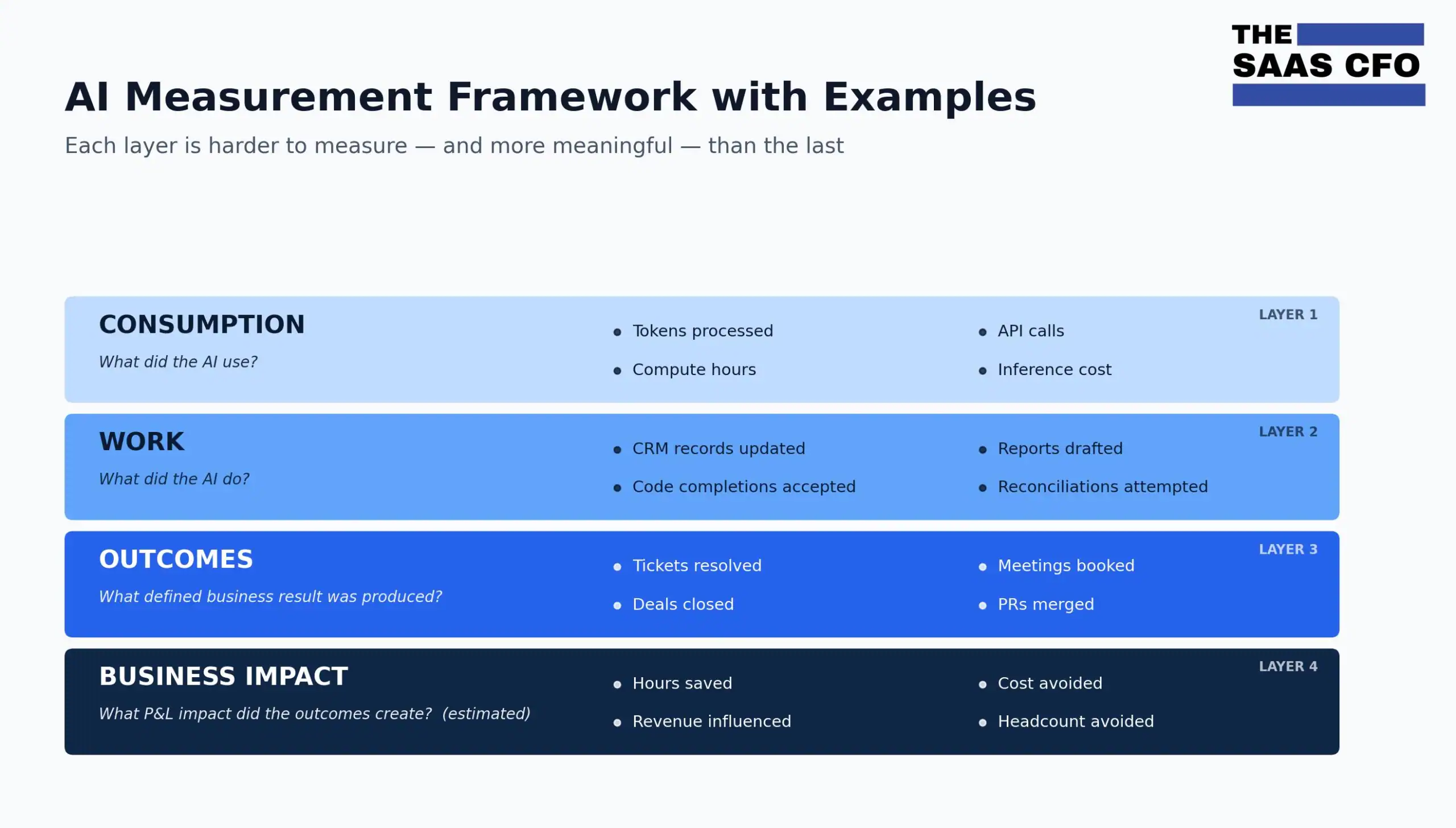
Running a sequencer is the most visible recurring cost. The OP Stack and Orbit benefit from mature, EVM-equivalent tooling, but they require continuous maintenance and monitoring to ensure liveness. ZK Stack operations are more complex due to prover infrastructure, though costs are decreasing as hardware specialization improves. CDK offers flexibility but shifts more operational burden onto the operator. The image below illustrates the structural layers that influence these cost centers.
Data Availability and Security
Data availability (DA) costs are driven by Ethereum L1 gas prices. ZK rollups typically post compressed proof data, which can be cheaper than the raw state diffs posted by optimistic rollups like OP Stack and Orbit. However, ZK security relies on cryptographic proofs, which are computationally intensive. Optimistic rollups rely on fraud proofs, which are cheaper to generate but require a 7-day challenge period, introducing a security window that ZK rollups eliminate. CDK and Orbit allow operators to choose their DA layer, potentially reducing costs by using alternative DA solutions, but this introduces additional security tradeoffs.
Decision Framework
The choice depends on your risk tolerance and technical capacity. OP Stack and Orbit are suitable for teams prioritizing EVM compatibility and developer familiarity, accepting higher sequencer maintenance and a 7-day security window. ZK Stack is ideal for projects requiring maximal security and lower DA costs, provided the team can handle prover complexity. CDK offers the most flexibility for custom DA and consensus configurations, but requires significant engineering resources. Use the comparison below to evaluate the specific tradeoffs for your use case.
| Framework | Security Model | DA Cost | Operational Complexity |
|---|---|---|---|
| OP Stack | Fraud Proofs (7-day window) | High | Medium |
| ZK Stack | Validity Proofs (Instant) | Low | High |
| Orbit | Fraud Proofs (7-day window) | High | Medium |
| CDK | Customizable | Variable | Very High |
Final decision checklist for 2026
Selecting a rollup framework is a capital-intensive commitment. The choice between OP Stack, ZK Stack, Orbit, and CDK dictates your security model, time-to-market, and long-term infrastructure costs. Use this workflow to align your technical constraints with the right stack.
OP Stack and ZK Stack offer the highest security guarantees by inheriting Ethereum L1 security. Orbit and CDK provide customizable security postures but may require additional fraud proof infrastructure or reliance on centralized sequencers depending on configuration.
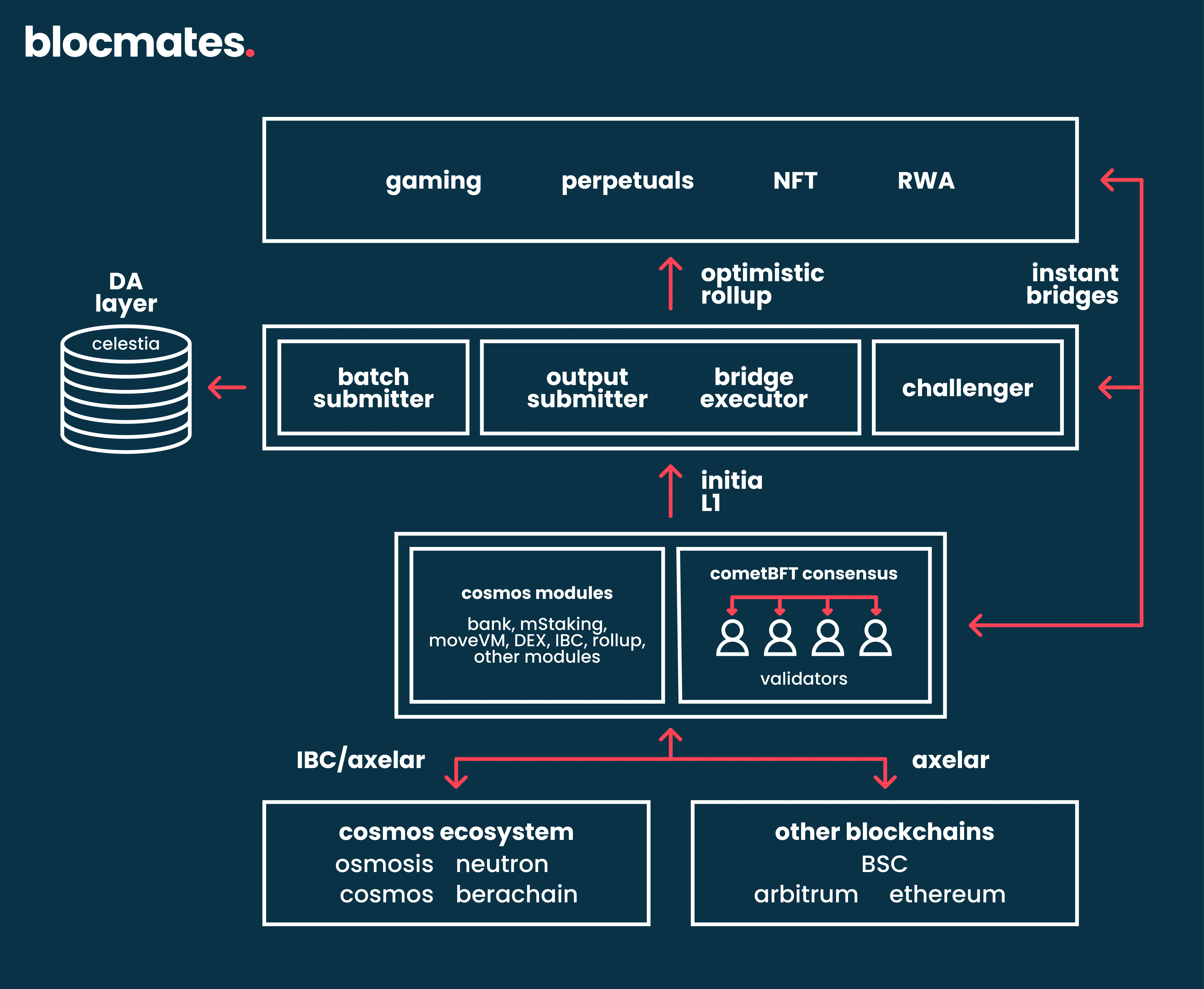
Data availability (DA) costs are the primary driver of rollup profitability. OP Stack and Arbitrum Orbit natively support Ethereum DA, which is secure but expensive during congestion. ZK Stack and CDK can integrate cheaper L2 DA solutions like Celestia or EigenDA to scale throughput more efficiently.
For rapid developer adoption, EVM equivalence is critical. OP Stack and Orbit are fully EVM-equivalent, allowing immediate deployment of existing Solidity smart contracts. ZK Stack requires specialized tooling for non-EVM languages, though EVM compatibility is improving. CDK supports both EVM and non-EVM chains via Cosmos SDK integration.
Decentralization is a key differentiator. OP Stack and Orbit support decentralized sequencer networks out of the box. ZK Stack typically uses a single sequencer for performance, which centralizes transaction ordering. CDK allows you to choose between centralized high-throughput sequencers or decentralized Cosmos-based alternatives.
No comments yet. Be the first to share your thoughts!