
Rollup frameworks 2026 limits to account for
The 2026 rollup frameworks 2026 constraint centers on choosing between three distinct paths: Ethereum L2s for security, Solana for throughput, and Sui for parallel execution. Each framework solves different parts of the scaling trilemma, and the right choice depends on whether your priority is decentralization, speed, or developer flexibility.
Ethereum L2s like Arbitrum and OP Mainnet inherit Ethereum’s security model, making them ideal for high-value applications where trust minimization is critical. They offer a mature ecosystem and deep liquidity but face higher latency and costs during peak congestion. Solana provides native high throughput and low fees, suitable for consumer-facing apps that require fast finality and high transaction volumes. Sui introduces parallel execution, allowing it to process unrelated transactions simultaneously, which benefits complex DeFi protocols and gaming.
The constraint is not just technical but economic. Ethereum L2s benefit from the largest developer community and institutional adoption. Solana attracts users seeking low-cost, high-speed transactions. Sui appeals to projects needing high scalability with a Move-based programming model. Understanding these tradeoffs helps align your project’s needs with the right framework.
| Framework | Security | Throughput | Best For |
|---|---|---|---|
| Ethereum L2s | High | Medium | High-value DeFi |
| Solana | Medium | High | Consumer apps |
| Sui | Medium | High | Complex protocols |
Rollup Framework Tradeoffs in 2026
Choosing a rollup framework isn't just about picking a blockchain; it's about selecting the infrastructure that will dictate your development velocity, security assumptions, and eventual liquidity. In 2026, the market has consolidated around four primary contenders: OP Stack (Ethereum), Arbitrum Orbit (Ethereum), ZK Stack (Ethereum), and Solana's emerging rollup capabilities. Each offers a distinct path to scalability, but they force very different architectural decisions.
The core tradeoff lies in the balance between time-to-market and capital efficiency. Optimistic rollups like OP Stack and Arbitrum Orbit prioritize rapid deployment and EVM compatibility, making them ideal for projects that need to launch quickly and tap into Ethereum's existing liquidity. In contrast, ZK rollups offer stronger cryptographic security proofs and faster finality but require more complex development cycles and specialized tooling. Solana's approach, leveraging its high-throughput base layer, offers a different value proposition focused on raw throughput and low latency, though it operates outside the EVM ecosystem entirely.
To help you evaluate these options, the table below breaks down the key technical and economic factors. This comparison focuses on the frameworks most relevant to new projects in 2026, highlighting where each excels and where they demand compromise.
| Framework | Type | Security | Finality | Ecosystem |
|---|---|---|---|---|
| OP Stack | Optimistic | Ethereum L1 | ~7 days | EVM-rich |
| Arbitrum Orbit | Optimistic | Ethereum L1 | ~7 days | EVM-rich |
| ZK Stack | ZK-Rollup | Ethereum L1 | Minutes | Growing |
| Solana Rollups | Parallel | Solana L1 | Seconds | Solana-native |
Decision Matrix by Use Case
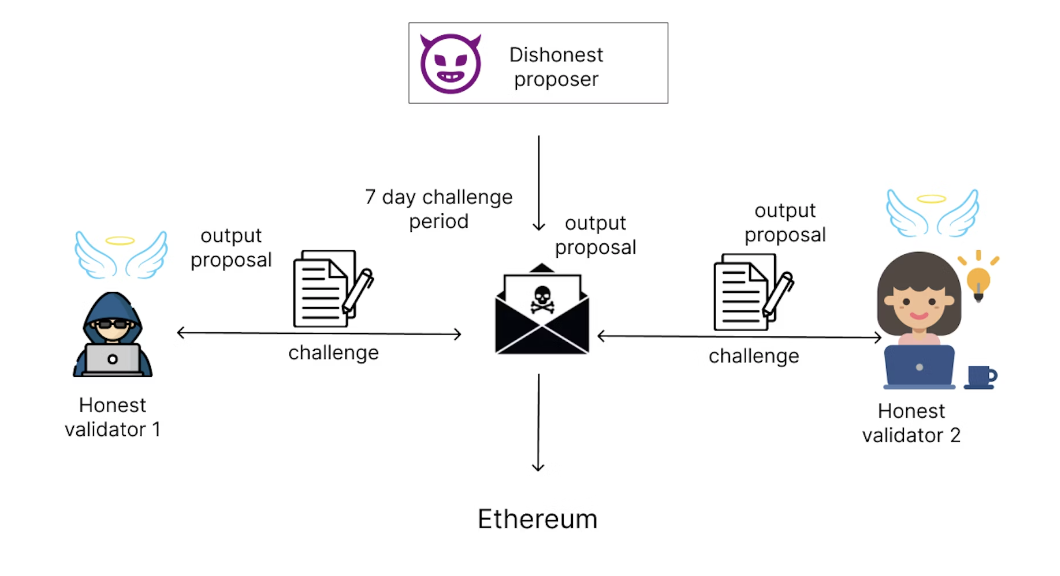
Your choice should be driven by your project's specific needs rather than market hype. If you are building a DeFi protocol that requires deep integration with Ethereum's liquidity and user base, OP Stack or Arbitrum Orbit are the safest bets. They offer mature tooling, extensive documentation, and a large pool of developers who already understand the EVM. The tradeoff is the seven-day withdrawal window for optimistic rollups, which can be a friction point for users expecting instant access to their funds.
For applications where security is paramount and you can tolerate a longer development cycle, ZK Stack is the superior choice. ZK rollups provide cryptographic guarantees that are independent of the validity of the sequencer, reducing the risk of fraud proofs failing. This is particularly important for high-value DeFi applications or gaming projects where asset integrity is non-negotiable. The ecosystem is still maturing, however, so you may need to invest more in custom infrastructure and developer onboarding.
If your project prioritizes high-frequency trading, real-time gaming, or microtransactions, Solana's architecture offers unmatched throughput. Solana rollups leverage the base layer's parallel execution and low latency, providing a user experience that is difficult to match on EVM-based chains. However, this comes with the tradeoff of being locked into the Solana ecosystem, which means you forfeit the direct access to Ethereum's deep liquidity and the broader DeFi composability that EVM rollups enjoy.
Choose the right rollup framework for your use case
Selecting a rollup framework isn't about finding the fastest chain; it's about matching your technical constraints to the right infrastructure. In 2026, the decision hinges on three practical factors: your existing development stack, your need for shared security, and your tolerance for complexity.
Use this step-by-step framework to narrow your options from the crowded market of Solana, Sui, and Ethereum Layer 2s.
Start with what your team already knows. If your engineers are proficient in Solidity, an Ethereum L2 like Arbitrum or OP Mainnet offers the smoothest migration path with mature tooling. Conversely, if your project relies on Move or Rust for its core logic, Sui or Solana provides native performance without the abstraction overhead of EVM compatibility layers.
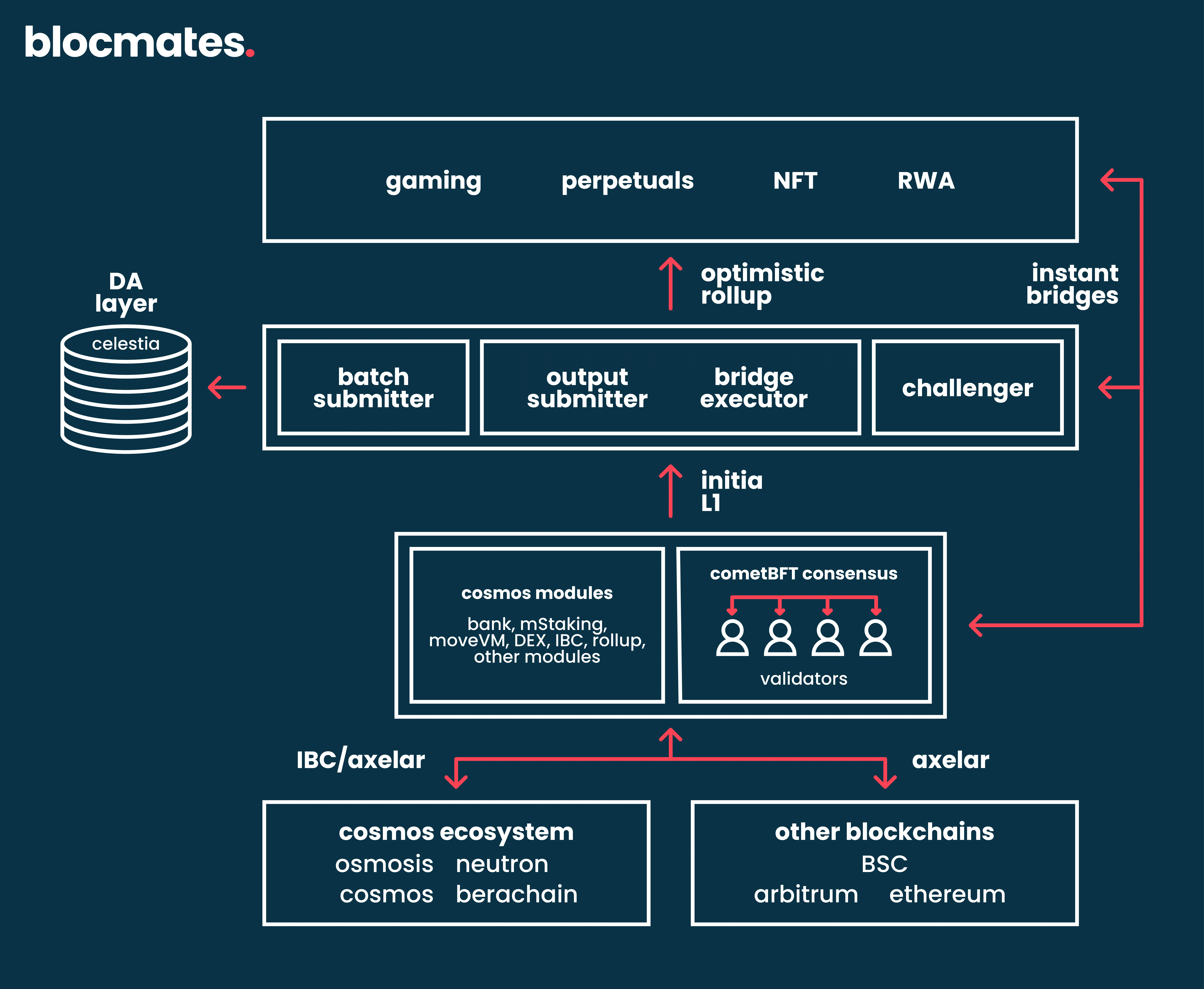
Determine who guarantees your security. Ethereum L2s inherit the robust security of the Ethereum mainnet, which is critical for high-value DeFi applications. If you prioritize speed over this shared security model, a standalone L1 like Solana or a modular approach using frameworks like Celestia might offer better throughput, but you assume the risk of a separate security perimeter.
Run a small-scale deployment to measure real-world friction. Compare gas fee predictability, deployment times, and the availability of infrastructure providers like Alchemy or QuickNode for your chosen chain. A framework with lower theoretical costs but poor tooling support will slow your team down more than slightly higher fees on a well-supported network.
| Framework | Security Source | Best Use Case |
|---|---|---|
| Ethereum L2s | Inherited from Ethereum | High-value DeFi, existing Solidity teams |
| Solana | Native Solana network | High-throughput consumer apps, Web3 gaming |
| Sui | Native Sui network | Move/Rust developers, asset-heavy applications |
Watch out for weak rollup options
Not every framework marketed as a "rollup" delivers the security or performance you expect. Some projects use the term loosely to describe sidechains or bridges that lack the cryptographic proofs required for true rollup security. This distinction matters because it affects how funds are secured and who can validate transactions.
Be wary of frameworks that promise instant finality without clear proof submission mechanisms. If a rollup claims to settle on Ethereum but doesn't publish regular validity proofs, you're not getting Ethereum-level security. You're getting a centralized bridge or a weaker consensus layer.
Solana-based rollups often face different tradeoffs. While they offer high throughput, the economic security model differs significantly from Ethereum L2s. Verify that the rollup's validator set is sufficiently decentralized and that the economic stake backing the chain is substantial enough to deter attacks.
Sui and other Move-based chains offer unique parallel execution benefits, but their rollup maturity is still evolving. Check if the framework has been battle-tested with real-world assets and high-value transactions. Early-stage rollups may lack the audit history and community scrutiny needed for high-stakes deployments.
Always verify the technical architecture against the official documentation of the underlying blockchain. Don't rely on marketing materials. Look for published security audits, proof submission schedules, and independent benchmark results.
Rollup frameworks 2026: what to check next
Choosing the right rollup stack isn't just about picking a chain; it's about selecting a long-term infrastructure partner. The 2026 landscape has shifted from pure speed to operational maturity, meaning your decision hinges on maintenance overhead and security assumptions.
Which rollup framework is best for developer experience?
The OP Stack remains the standard for rapid deployment. Its EVM equivalence means most Solidity smart contracts work out of the box, requiring minimal adaptation. If your team prioritizes quick time-to-market and access to deep liquidity, this is the lowest-friction path available today.
How do ZK rollups compare to Optimistic rollups?
ZK rollups offer immediate finality, which is critical for high-frequency trading or complex DeFi applications that cannot tolerate the seven-day challenge period of Optimistic rollups. However, ZK development is currently more complex and expensive to build, requiring specialized knowledge in zero-knowledge proof circuits.
Is framework lock-in a major concern?
Lock-in is real but less severe than in previous years. The bigger practical risk is sequencer maintenance. Most frameworks require you to manage your own sequencer infrastructure or pay a third-party provider. If you switch providers later, migrating state and user data can be technically demanding and costly.
When should I choose Solana over Ethereum L2s?
Choose Solana if your application demands maximum throughput and lowest fees without the complexity of L2 bridging. Solana offers a monolithic experience with unified liquidity. However, you sacrifice the security guarantees of Ethereum's decentralized settlement layer and the vast ecosystem of existing L2 tooling.
No comments yet. Be the first to share your thoughts!