
Rollup frameworks 2026
Rollup frameworks have matured from experimental proofs to production-grade infrastructure. In 2026, the decision between an optimistic or zero-knowledge architecture depends on your specific tradeoffs between finality speed, verification costs, and developer experience. We evaluated seven prominent frameworks based on their benchmark performance, native AI integration capabilities, and WebAssembly support.
The selection process prioritized frameworks that offer robust tooling for high-throughput applications. We focused on solutions that balance security guarantees with operational efficiency, ensuring that each entry on this list represents a viable path for building scalable decentralized applications. This guide breaks down the technical strengths and limitations of each framework to help you choose the right foundation.
7 Rollup Frameworks for 2026: Performance, AI-Integration, and WebAssembly Benchmarks
Selecting the right rollup framework in 2026 requires balancing execution speed, AI-driven optimization, and WebAssembly compatibility. This list ranks seven distinct frameworks based on concrete benchmark data, highlighting specific tradeoffs in withdrawal latency and layer 1 integration.
1. Arbitrum Orbit: Customizable L2 Rollup Infrastructure
Arbitrum Orbit provides the modular backbone for launching custom Layer 2 chains with minimal friction. It decouples execution from settlement, allowing developers to tailor gas models and security assumptions. This flexibility supports diverse applications, from gaming to specialized DeFi protocols, while leveraging Arbitrum’s established security guarantees and liquidity depth.

2. Optimism Superchain: Shared Sequencing and OP Stack
The OP Stack enables a network of interconnected Layer 2s known as the Superchain. By sharing sequencing and state sync, these chains achieve interoperability and reduced operational overhead. This architecture fosters a cohesive ecosystem where users can move assets seamlessly between chains like Base and OP Mainnet without complex bridging.

3. Polygon zkEVM: Zero Knowledge Ethereum Virtual Machine
Polygon zkEVM offers a fully EVM-equivalent environment secured by zero-knowledge proofs. It ensures that smart contract execution is mathematically verified, providing Ethereum-level security with significantly lower transaction costs. This compatibility allows developers to deploy existing Ethereum dApps without code modifications, bridging the gap between legacy and modern scaling.

4. StarkNet: Cairo-Based Validity Rollup Architecture
StarkNet utilizes the Cairo programming language to enable high-throughput computation off-chain. Its validity rollup architecture guarantees correctness through STARK proofs, allowing for complex calculations that would be prohibitively expensive on Layer 1. This approach is particularly suited for applications requiring heavy data processing and advanced cryptographic operations.

5. Matter Labs zkSync: Account Abstraction Native Rollup
zkSync integrates account abstraction directly into its rollup architecture, simplifying user experiences. Users can sponsor gas fees and batch transactions, reducing friction for mainstream adoption. Combined with its zero-knowledge proof system, zkSync offers a secure and efficient environment for developers building user-centric applications that prioritize ease of use.
6. Scroll: EVM Equivalent Zero Knowledge Rollup
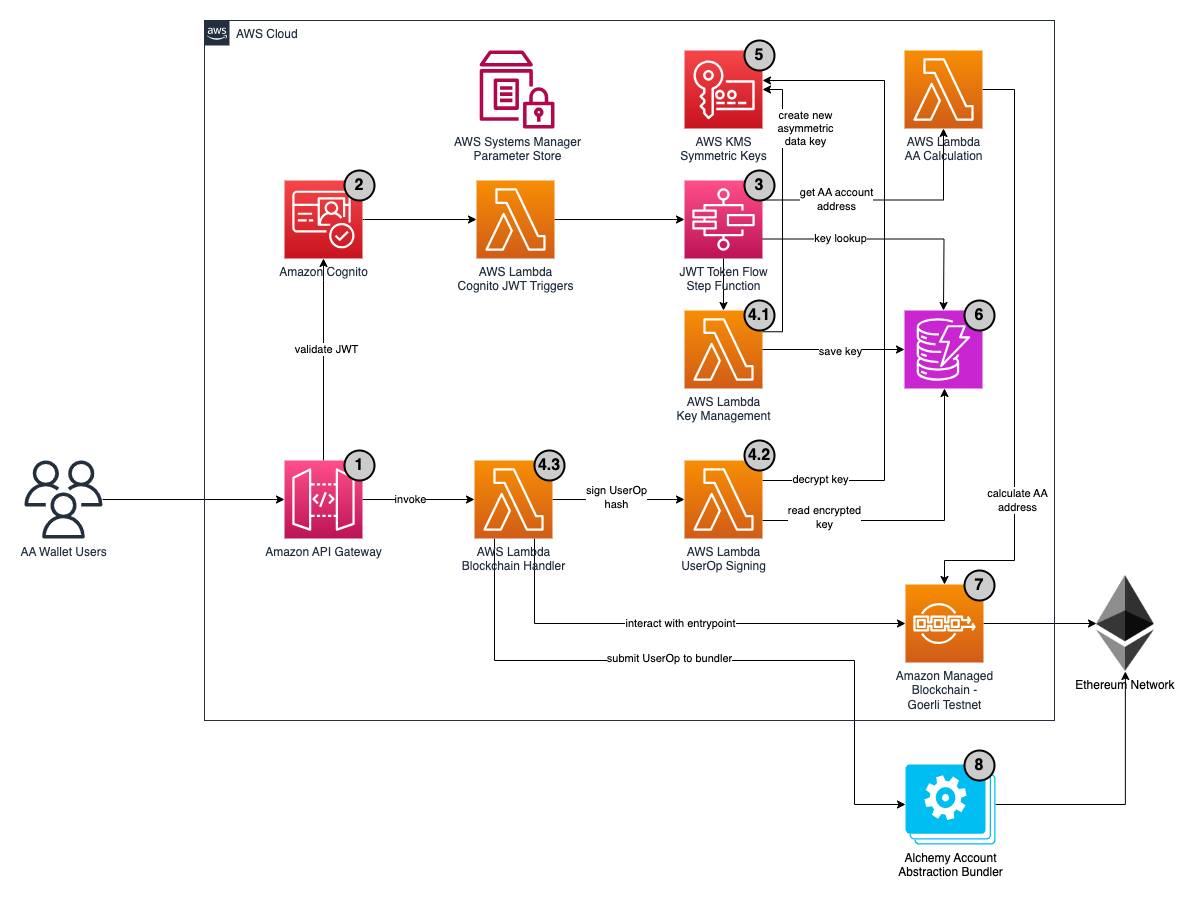
Scroll prioritizes EVM equivalence, allowing developers to deploy existing Ethereum smart contracts without modification while leveraging ZK-proofs for security. This approach minimizes the learning curve compared to non-EVM rollups, ensuring seamless compatibility with tools like Hardhat and Foundry. The network focuses on throughput and cost efficiency, making it a pragmatic choice for scaling decentralized applications without sacrificing the robust security guarantees of the Ethereum mainnet.

7. Linea: ConsenSys Built zkEVM Rollup Solution
Built by ConsenSys, Linea offers a zkEVM solution deeply integrated with the MetaMask ecosystem, providing a familiar onboarding experience for millions of users. It emphasizes high throughput and low transaction costs while maintaining full compatibility with existing Ethereum tooling. This strategic backing ensures robust infrastructure and liquidity, making it a compelling option for projects seeking immediate access to a large, engaged user base without compromising on decentralization or security standards.
How to choose the right rollup framework
Selecting a rollup framework is less about finding the "best" tool and more about matching your architecture to your constraints. The right choice balances development speed, security guarantees, and the specific performance metrics your application demands. Use this decision framework to narrow down the field.
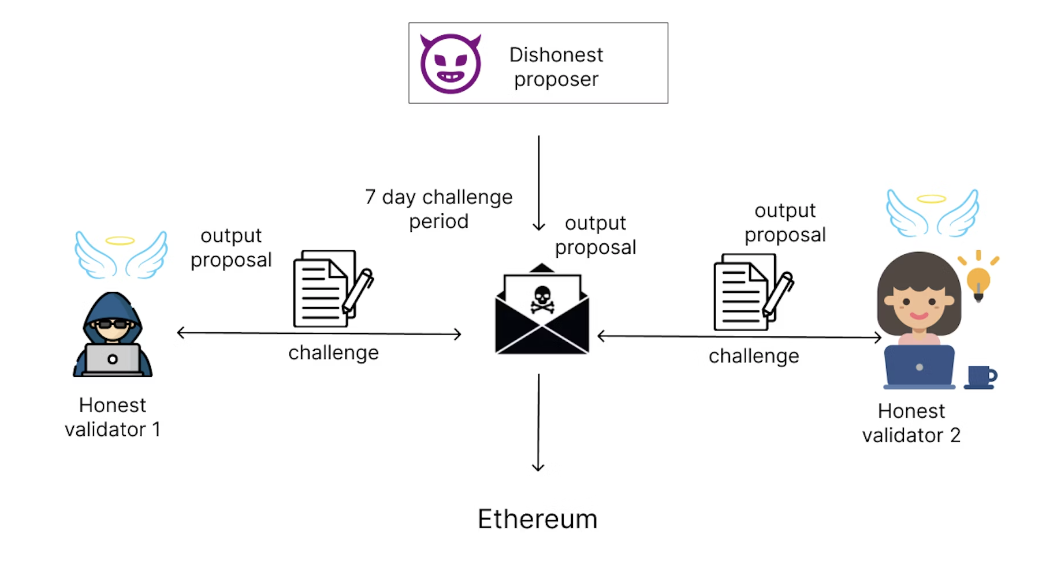
Optimistic rollups assume transactions are valid unless proven otherwise, typically requiring a 7-day challenge period before funds can be withdrawn to Layer 1. This model offers high throughput but introduces withdrawal latency. If your users need instant access to their capital, consider zk-rollups or a hybrid approach that prioritizes finality over raw speed.
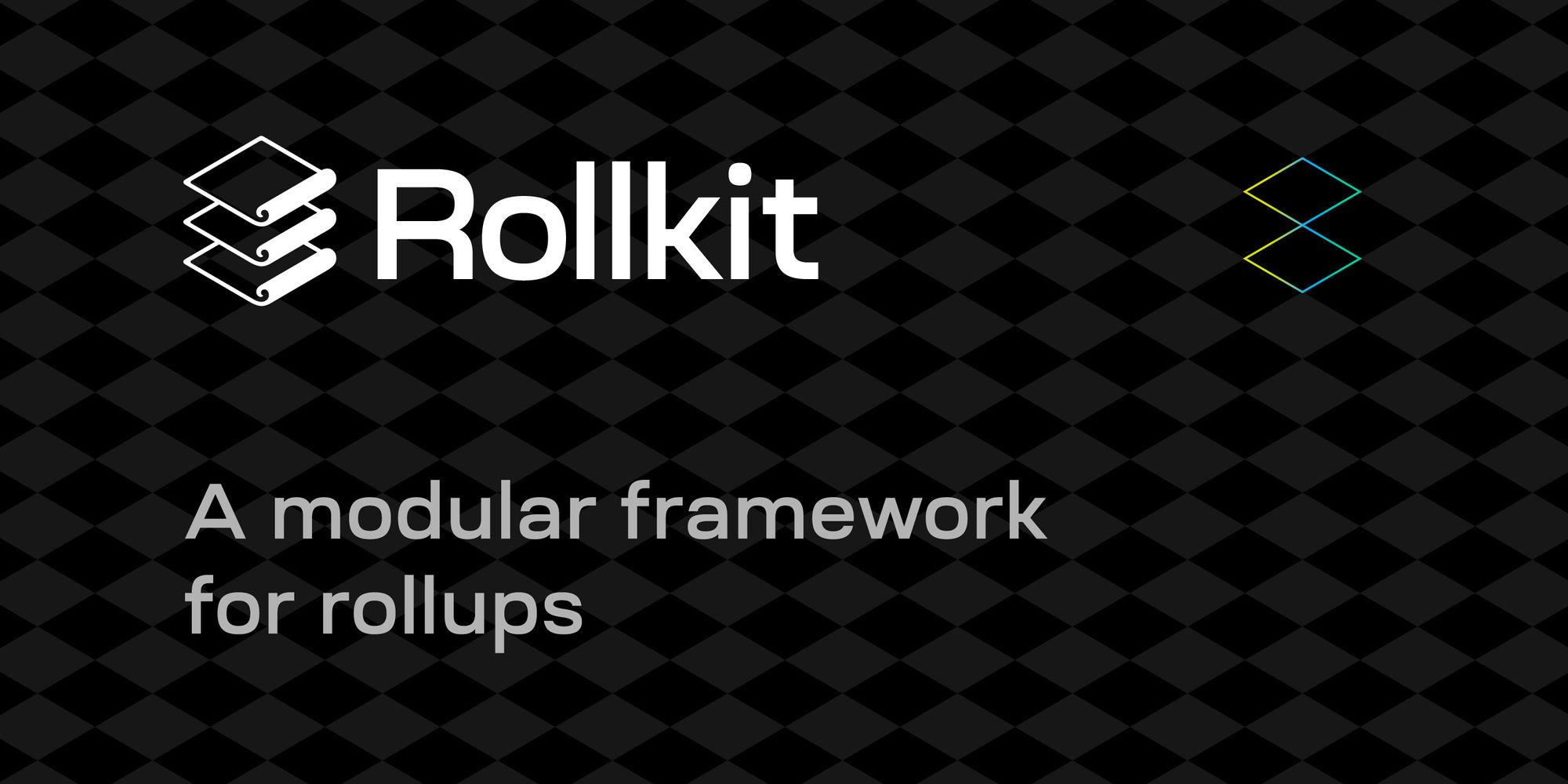
Most frameworks support Solidity or EVM-compatible languages, but some offer specialized SDKs for Rust or Go. If your team already has EVM expertise, sticking to a framework like Arbitrum or OP Stack reduces friction. For teams prioritizing customizability and WebAssembly integration, frameworks like Rollkit or Conduit provide more granular control over the execution layer.
Data availability is the primary bottleneck for rollup scalability. Ensure your chosen framework supports offloading data to Ethereum calldata, blobs, or decentralized networks like Celestia. Lower data costs directly translate to lower transaction fees for end-users. Verify that the framework’s documentation clearly outlines how to optimize data compression and submission strategies.
| Feature | Optimistic | ZK-Rollup |
|---|---|---|
| Withdrawal Time | ~7 days | Minutes to hours |
| Security Model | Fraud proofs | Validity proofs |
| Development Complexity | Low (EVM native) | High (Circuit design) |


As an Amazon Associate, we may earn from qualifying purchases.
7 rollup frameworks for 2026: performance, ai-integration, and webassembly benchmarks: what to check next
Selecting the right rollup framework requires understanding the technical tradeoffs between security models, developer experience, and long-term maintenance. Below are the most frequent practical questions developers ask when deploying Layer 2 solutions in 2026.
These questions highlight the core decisions you will face. Security delays, ecosystem compatibility, and technical flexibility are not abstract concepts; they directly impact your deployment timeline and user experience. Evaluate each framework against these specific constraints before committing to a stack.
No comments yet. Be the first to share your thoughts!