

4 Rollup 4 vs. Vite 6: Choosing the Right Bundler for 2026
Rollup 4 and Vite 6 represent distinct approaches to modern JavaScript bundling, each offering specific advantages for build output and developer experience. This comparison outlines concrete differences to help legacy WordPress developers select the tool that aligns with their 2026 migration strategy.
-
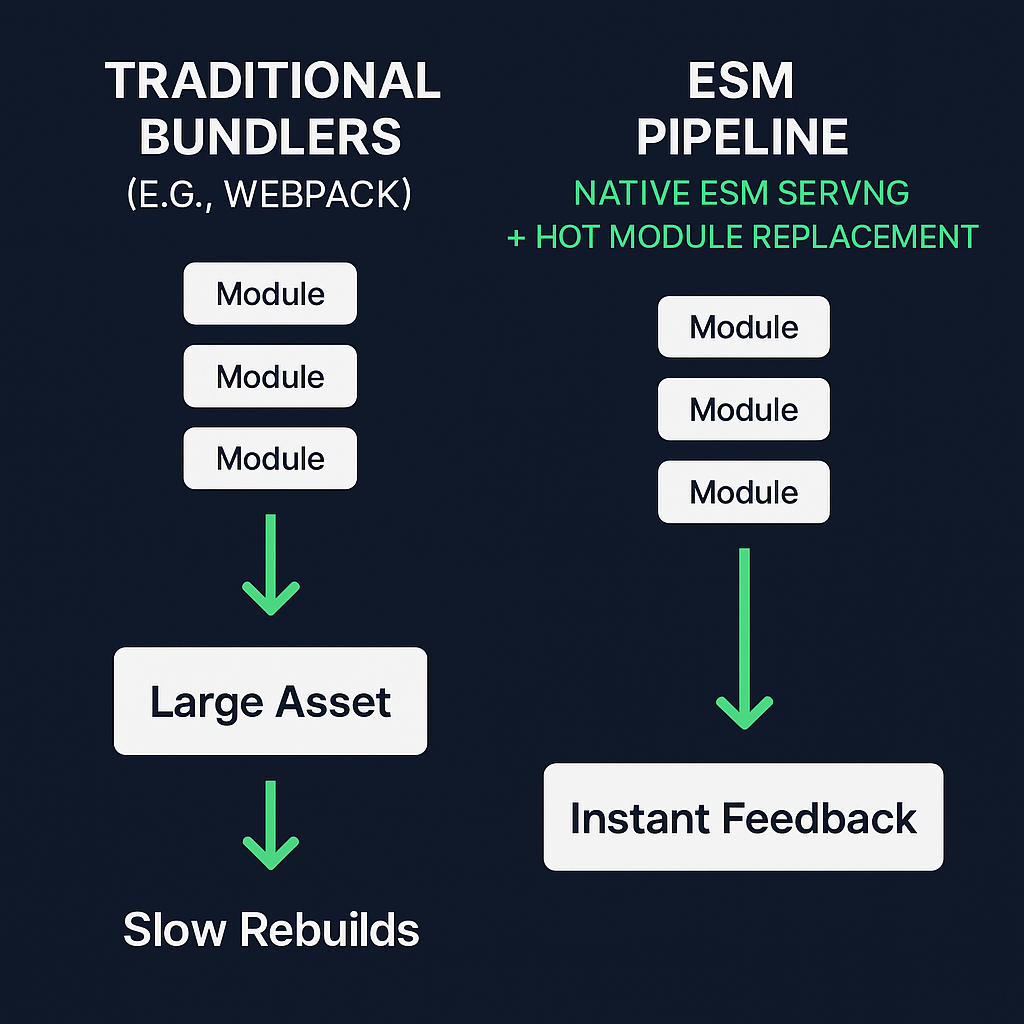
Build speed differences for large codebases
Rollup 4 prioritizes stability and correctness, often resulting in slower initial builds for massive legacy codebases compared to Vite 6’s esbuild-powered preprocessing. For WordPress developers managing large, unoptimized JavaScript bundles, Vite 6 typically offers near-instant module graph initialization. However, Rollup 4’s optimized caching can catch up during subsequent builds. Evaluate your project’s size; if you have thousands of small modules, Vite’s speed advantage is significant during development cycles. -
Plugin ecosystem compatibility and migration effort
Vite 6 relies on a Rollup-compatible plugin interface, meaning many existing Rollup 4 plugins work directly without modification. This creates a smoother migration path for teams already familiar with Rollup’s ecosystem. Conversely, Rollup 4 may require rewriting Vite-specific plugins that depend on its unique dev-server hooks. For legacy WordPress plugins converting to modern JS, checking plugin compatibility early prevents unexpected integration hurdles and reduces the total cost of migration. -
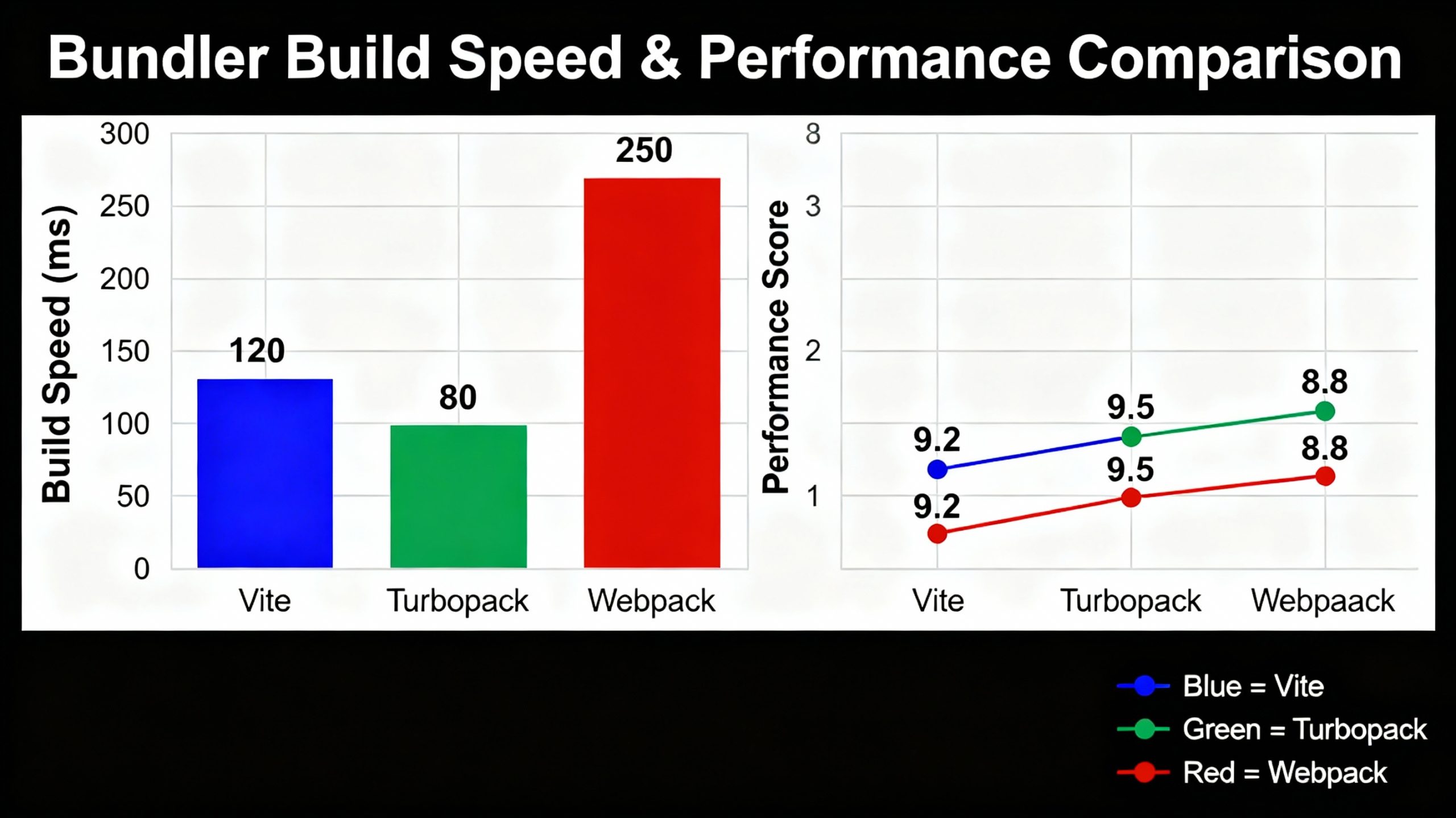
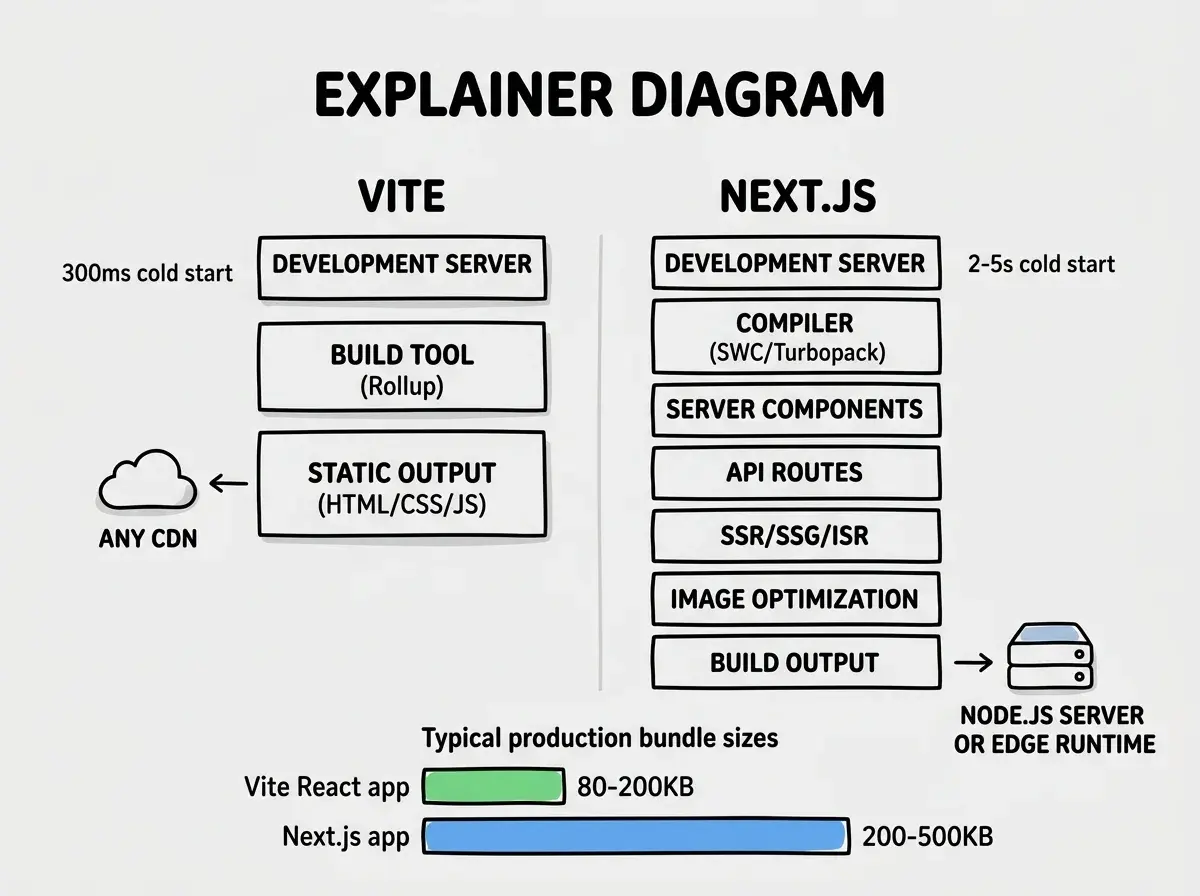
Production bundle size and optimization strategies
Rollup 4 excels at tree-shaking unused code, often producing smaller production bundles than Vite 6 out of the box. Vite 6 uses Rollup under the hood for production builds, so final output sizes are frequently comparable. However, Rollup’s aggressive optimization can sometimes break code relying on dynamic imports if not configured carefully. WordPress developers should audit their bundle sizes using rollup-plugin-visualizer to ensure no critical legacy dependencies are inadvertently removed during the optimization phase. -
Development server hot module replacement behavior
Vite 6 delivers faster Hot Module Replacement (HMR) by leveraging native ESM in the browser, allowing precise module updates without full page reloads. Rollup 4, while capable, often requires more configuration to achieve similar HMR granularity, especially with complex asset pipelines. For developers iterating on React or Vue components within WordPress, Vite 6’s immediate feedback loop significantly enhances productivity. Test your specific component tree to verify HMR stability before committing to either tool for long-term development workflows.
The core difference between Rollup 4 and Vite 6
It is a common misconception that Rollup and Vite are competing tools. They are not. Comparing them directly is like comparing a brick to a house; one is the material, the other is the structure built with it.
Rollup 4 is a production bundler. Its job is to take your source code, apply transformations via plugins, and bundle everything into optimized, minified files ready for deployment. It does not serve files to a browser. It does not track changes in real-time. It simply builds the final output.
Vite 6, on the other hand, is a development server and build tool. During development, it uses native ES modules to serve your code instantly without bundling. This is why Vite starts so fast. However, when you are ready to ship your project, Vite uses Rollup 4 under the hood to perform the production build.
This means you are not choosing between two build engines. You are choosing between a standalone bundler (Rollup) and a complete development environment that includes a bundler (Vite). If you need a fast dev experience with modern features like HMR (Hot Module Replacement) and instant server start, Vite is the practical choice. If you are building a library or a tool that needs to integrate into a larger, custom pipeline, you might use Rollup directly.
In short, Vite 6 is the wrapper that makes Rollup 4 easy to use for day-to-day development, while still giving you access to Rollup's powerful plugin ecosystem for the final build.
Rollup 4 migration changes and requirements
Moving to Rollup 4 requires more than just updating a package.json entry; it demands a closer look at your build environment and plugin ecosystem. The most immediate hurdle is the Node.js runtime. Rollup 4 officially drops support for Node 16, requiring at least Node 18.0.0. For teams managing legacy WordPress plugins or older internal tools, this often means upgrading your CI/CD pipeline and local development environments before you even touch the bundler configuration.
Beyond the runtime, the configuration shifts are significant. Rollup 4 enforces stricter ES module standards, which can cause issues if your project relies on CommonJS-only plugins that haven't been updated. You may need to swap out deprecated plugins or update to their latest versions to ensure compatibility. The migration guide on the official Rollup website provides a detailed checklist for these changes, highlighting specific breaking points that often trip up developers transitioning from Rollup 3.
Another key area is the handling of external dependencies. Rollup 4 changes how it resolves and bundles external modules, which can affect the final output size and structure. If your build process depends on specific side-effects or global variables, you might need to adjust your external configuration or use the noConflict plugin to maintain compatibility. Testing your build thoroughly after the upgrade is essential to catch any regressions early.
To help you plan your migration, here are some common questions developers ask about moving to Rollup 4.
When to use Rollup 4 for library builds
Rollup 4 remains the industry standard for building reusable NPM packages. If you are shipping a library intended for other developers to import, Rollup’s strict tree-shaking and clean ESM output provide a reliability that general-purpose bundlers often struggle to match. This section outlines why Rollup is the superior choice for library development in 2026.
Precision Tree-Shaking
The primary advantage of Rollup is its static analysis capabilities. Unlike bundlers that rely on heuristics, Rollup traces imports at the module level with high precision. This means unused code is completely eliminated from the final bundle, resulting in smaller payloads for your library’s consumers. For libraries, this is not just a performance metric; it is a quality standard. Consumers expect their applications to remain lean, and Rollup ensures your exports are as minimal as possible.
Clean ESM and CJS Outputs
Rollup is designed to output multiple formats from a single codebase. You can generate standard ES modules (ESM) for modern bundlers and CommonJS (CJS) for legacy Node.js environments simultaneously. This dual-output strategy eliminates the need for complex post-processing steps. The output is also deterministic and clean, making it easier for consumers to understand and debug their own builds when they integrate your library.
Plugin Ecosystem for Libraries
Rollup’s plugin system is tailored for library authors. Plugins like @rollup/plugin-typescript handle type checking and compilation efficiently, while @rollup/plugin-replace allows for safe environment variable injection. Unlike Vite, which is optimized for rapid development server speeds, Rollup prioritizes the integrity and optimization of the production build. This focus ensures that your library’s final artifacts are stable, predictable, and ready for long-term maintenance.
| Metric | Rollup 4 | Vite 6 |
|---|---|---|
| Primary Use Case | Library Builds | App Development |
| Output Format | ESM, CJS, IIFE | ESM, CJS |
| Dev Server Speed | N/A (Build Only) | Instant HMR |
| Production Bundle Size | Highly Optimized | Optimized |
| Plugin Ecosystem | Library-Focused | Dev-Server Focused |
Vite 6 advantages for application development
Vite 6 has become the default choice for modern web application development because it fundamentally changes how the browser fetches code. Instead of bundling your entire application before the user sees anything, Vite serves source files directly over native ES modules. This means the browser acts as its own bundler, downloading only the specific files required for the current view. For developers migrating from legacy WordPress environments or older JavaScript stacks, this shift reduces initial load times significantly and makes the development environment feel instant.
The most noticeable benefit is the speed of Hot Module Replacement (HMR). In traditional bundlers, updating a single file might require rebuilding the entire dependency graph, which can take seconds or even minutes in large projects. Vite leverages the browser's native ESM support to update only the changed module while preserving the application state. This allows you to see changes in the browser almost immediately, creating a feedback loop that keeps you in a flow state. The development server remains fast regardless of how many pages or components your application contains.
Vite 6 also simplifies configuration by relying on standard web technologies. It uses ES modules natively, which means your code is already in a format that modern browsers understand. This reduces the need for complex build configurations and makes it easier to integrate with existing tools. The plugin ecosystem is designed to be lightweight and modular, allowing you to add only what you need. This approach not only speeds up development but also makes the build output more predictable and easier to debug.
While Rollup remains a powerful tool for library development, Vite 6 is tailored for the specific needs of application development. Its focus on developer experience, combined with its ability to handle complex applications with ease, makes it the preferred choice for teams building modern web interfaces. The combination of native ESM, fast HMR, and simple configuration provides a robust foundation for building scalable applications in 2026.
Rollup 4 vs. Vite 6: Choosing the Right Bundler for 2026
This decision depends on your output, not your preferences. Vite 6 is a development server and production bundler for applications. Rollup 4 is a library bundler designed to package code for other developers.
If you are building a React or Vue application with a complex UI, use Vite 6. It handles the entire project structure, including assets and HTML entry points. If you are building a reusable component library or a JavaScript package, use Rollup 4. It optimizes the final bundle size for external consumers.
Do not use Rollup 4 for a standard web application. It lacks the built-in dev server and framework plugins that make Vite 6 fast. Do not use Vite 6 for a library. It does not provide the granular control over exports that Rollup 4 offers.
No comments yet. Be the first to share your thoughts!