
Get rollup frameworks 2026 right
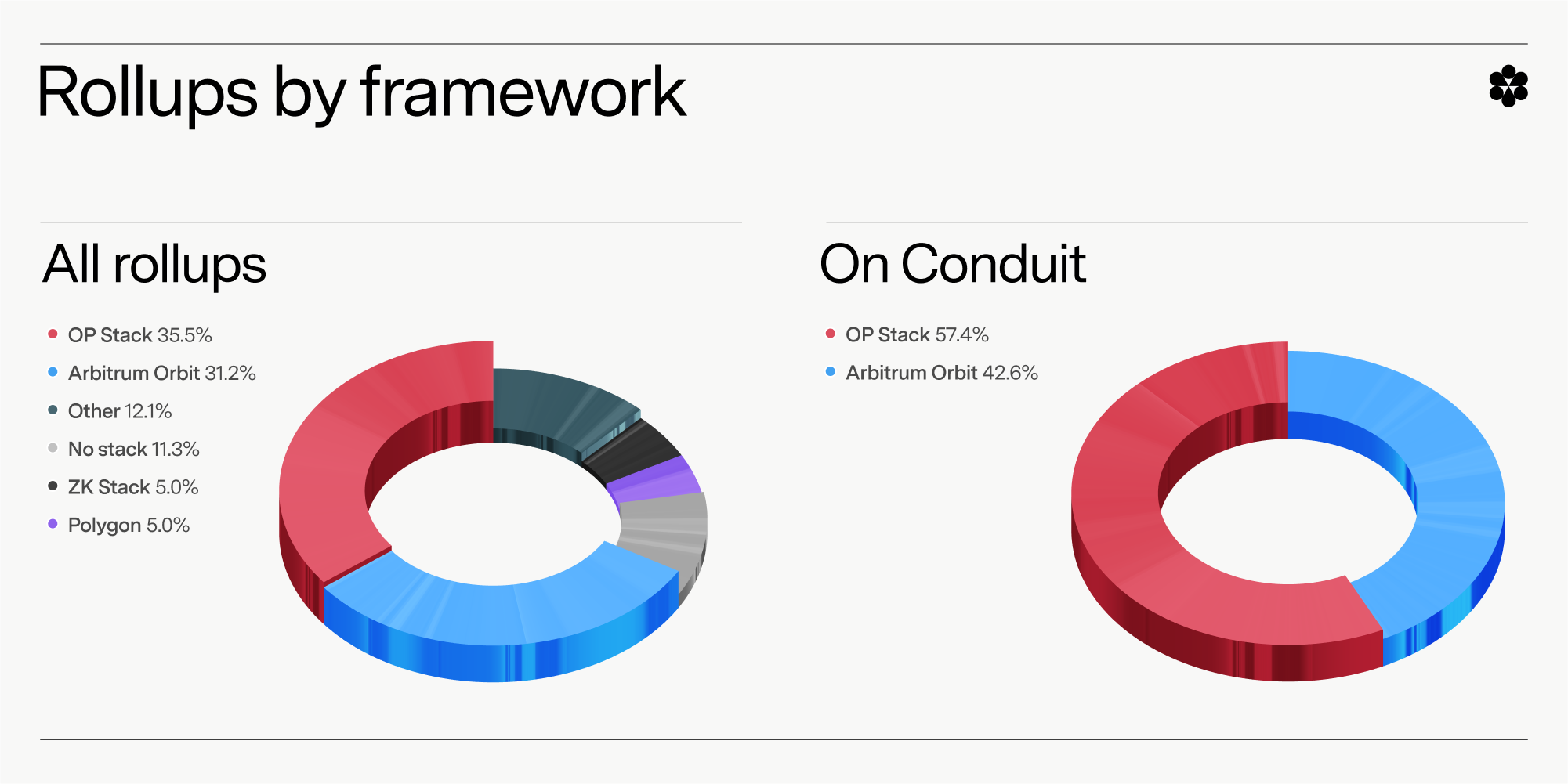
Before you choose a rollup framework, you must align your technical stack with your business model. The four frameworks handling most new Ethereum L2 launches in 2026 are OP Stack, Arbitrum Orbit, Polygon CDK, and ZK Stack. Each has distinct trade-offs regarding security, developer experience, and time-to-market.
Start by defining your consensus needs. If you require maximal security and decentralized sequencing, ZK Stack is the most robust option but demands significant engineering resources to build and maintain proving systems. For teams prioritizing rapid deployment and established tooling, OP Stack and Arbitrum Orbit offer faster paths to launch with lower upfront complexity.
Verify your infrastructure compatibility early. Ensure your existing smart contracts and frontend interfaces integrate smoothly with the framework’s execution environment. Mismatches here often cause delays or require costly refactoring later. Choose the framework that minimizes friction for your specific development team rather than chasing the most technically complex solution.
Work through the steps
The to Rollup Frameworks works best as a clear sequence: define the constraint, compare the realistic options, test the tradeoff, and choose the path with the fewest hidden costs. That order keeps the advice usable instead of decorative. After each step, pause long enough to check whether the recommendation still fits the reader's actual situation. If it depends on perfect timing, unusual access, or a best-case budget, include a simpler fallback.

Common Rollup Framework Mistakes
Even with robust frameworks like OP Stack or Arbitrum Orbit, deployment often fails due to configuration oversights rather than code bugs. The difference between a functional L2 and a stranded project usually comes down to three specific setup errors.
Choosing the Wrong Sequencing Model
The most frequent architectural mistake is ignoring the distinction between optimistic and zero-knowledge sequencing. Optimistic rollups assume validity and post fraud proofs, which requires a 7-day challenge period for withdrawals. ZK rollups generate validity proofs immediately, offering faster finality but higher computational costs. Selecting an optimistic framework for an application needing instant settlement, or vice versa, creates a fundamental mismatch with user expectations that is difficult to correct after launch.
Neglecting Data Availability Costs
Many builders underestimate the impact of data availability (DA) on long-term sustainability. Ethereum mainnet DA is secure but expensive, often making transaction fees prohibitive for high-frequency applications. Conversely, using a low-cost DA layer like Celestia or EigenDA reduces fees but introduces trust assumptions about data availability. Failing to model these costs against projected transaction volume leads to undercapitalized sequencers that halt operations when gas prices spike.
Overlooking Bridge Security Audits
The bridge connecting your L2 to Ethereum mainnet is the highest-risk surface area. A common error is deploying custom bridge contracts without rigorous, specialized audits. Most exploits occur because the bridge logic does not properly validate state roots or handle edge cases in message passing. Relying on the framework’s default bridge template without verifying its current security posture against known vulnerability vectors is a critical oversight that puts user funds at risk.
Rollup frameworks 2026: what to check next
Before committing to a rollup framework, address the practical hurdles that derail most L2 launches. The landscape has shifted in 2026, with four frameworks dominating new Ethereum L2 deployments.
These answers address the core technical and operational realities of deploying an L2 today. Choose a framework based on your team’s cryptographic expertise and your need for finality speed.
No comments yet. Be the first to share your thoughts!