

Gas optimization is a critical factor in the evolution of rollup technologies, especially as developers seek to minimize transaction costs and maximize throughput on modular blockchains like Celestia. With Celestia’s price currently at $1.74, its unique approach to data availability and settlement provides fertile ground for implementing innovative gas-saving strategies that set it apart from traditional monolithic chains.
Why Gas Optimization Matters for Celestia-Based Rollups
Rollups are designed to scale blockchain applications by batching transactions and offloading execution from the main chain. However, the efficiency of this model depends heavily on how well gas consumption is managed. High gas fees can erode user experience and limit the commercial viability of decentralized applications. In Celestia’s modular stack, optimizing gas not only reduces costs but also unlocks higher throughput for application-specific rollups.
Traditional EVM-based rollups face bottlenecks due to unrestricted computation and storage requirements. By contrast, Celestia’s architecture introduces several innovations that directly target these pain points, enabling more efficient data handling and transaction cost reduction at every layer.
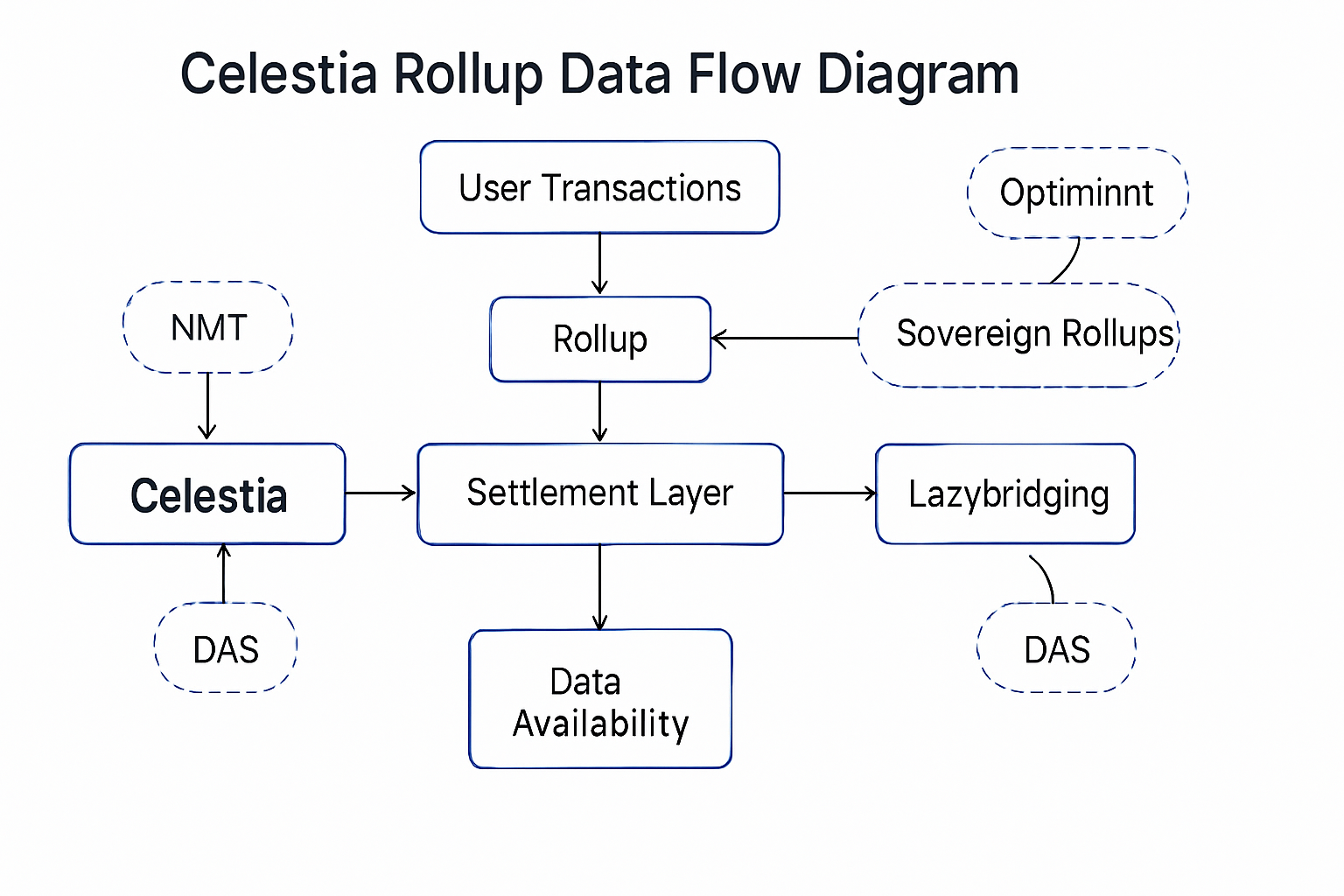
Key Techniques for Gas Optimization in Celestia Rollups
The following techniques are central to achieving lower gas costs in the Celestia ecosystem:
Top Gas Optimization Strategies for Celestia Rollups
- Data Availability Sampling (DAS): Celestia uses DAS to let light nodes verify data availability without downloading full blocks, reducing node resource requirements and lowering gas costs for rollups leveraging Celestia's data layer. Learn more
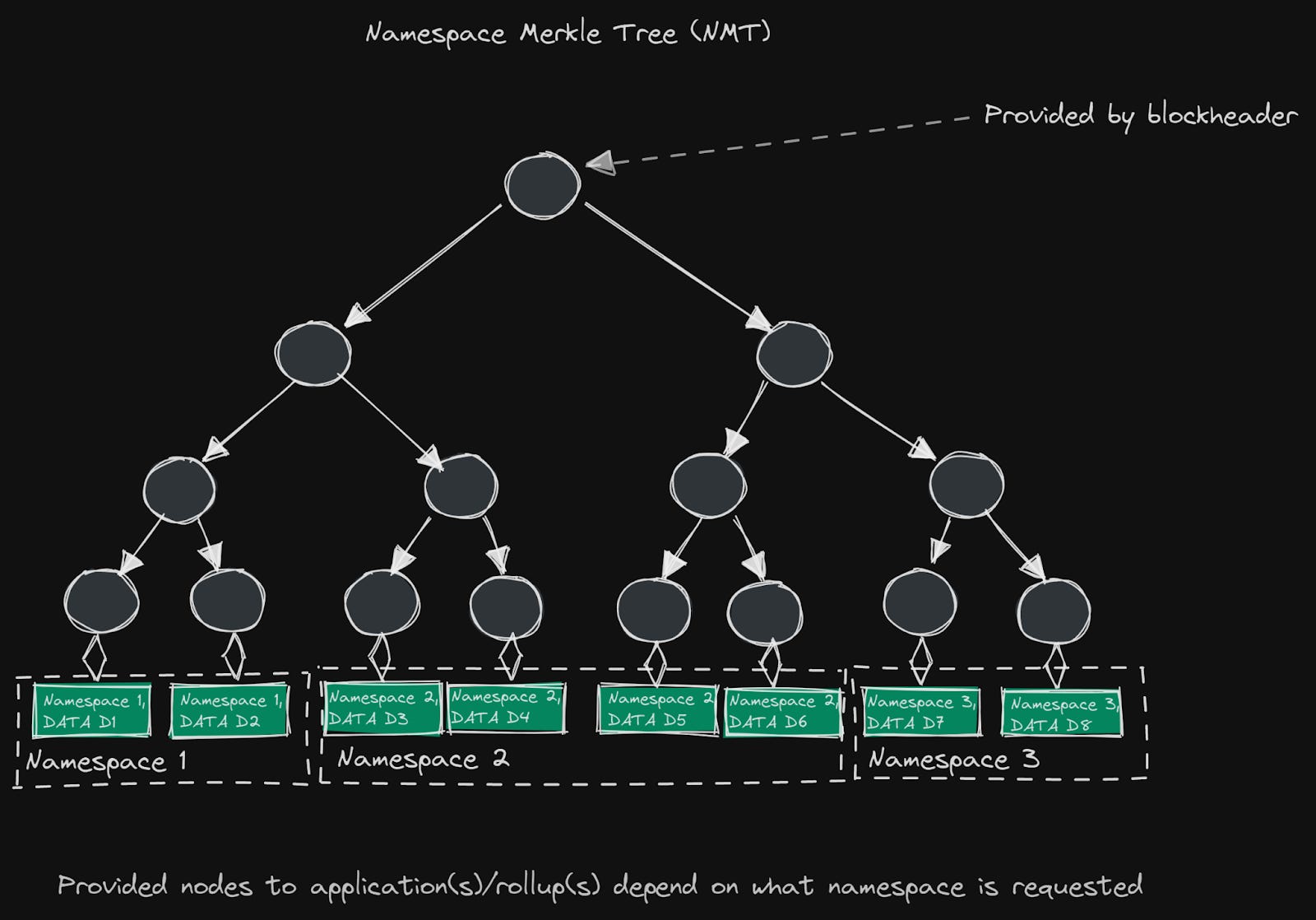
- Namespaced Merkle Trees (NMT): By organizing block data into namespaces, NMTs allow rollups to access only relevant data, minimizing unnecessary processing and reducing gas consumption. See technical details
- Optimint Integration: Optimint replaces Tendermint BFT, enabling rollups to deploy without a full consensus mechanism. This simplifies architecture and reduces gas costs for rollup operations. Explore Optimint
- Lazybridging: With native zero-knowledge verification in Celestia, Lazybridging lets rollups bridge assets directly and streamlines cross-rollup interactions, significantly reducing bridging gas fees. Read about Lazybridging
- Sovereign Rollups: Celestia supports sovereign rollups that publish blocks as raw data, bypassing enshrined smart contracts. This grants autonomy and can lead to more efficient gas usage. Discover sovereign rollups
- Data Availability Sampling (DAS): DAS enables light nodes to verify block data availability without downloading entire blocks, drastically reducing computational overhead and storage needs. This method is foundational to minimizing gas consumption for rollups relying on Celestia’s data availability layer. For an in-depth explanation, refer to this resource.
- Namespaced Merkle Trees (NMT): By partitioning block data into namespaces, NMTs allow rollups to access only relevant data segments, cutting down unnecessary processing and further lowering gas usage. This targeted approach is especially useful for large-scale dApps operating across multiple rollup chains.
- Optimint Integration: Optimint serves as an alternative consensus engine that simplifies rollup deployment by eliminating the need for a full BFT consensus mechanism. This reduces architectural complexity and associated gas costs; you can read more about Optimint’s role in sovereign rollup design on Celestia's blog.
- Lazybridging: Native ZK verification at the base layer allows assets to be bridged directly via Celestia, streamlining cross-rollup interactions and significantly reducing bridging-related fees (learn more here).
- Sovereign Rollups: These enable direct publication of raw blocks onto Celestia without relying on enshrined smart contracts, giving developers autonomy over execution logic while optimizing gas efficiency (details here).
The Market Context: Scaling EVMs Through Restriction and Specialization
The broader modular blockchain movement is shifting toward specialized EVMs tailored as hubs rather than general-purpose execution environments. According to recent discussions on the Celestia Forum, restricting computation within application-specific EVMs allows them to scale far beyond what unrestricted environments can achieve. This aligns with industry trends where networks like BSC have increased block gas limits or adopted new architectures altogether (see TokenDance’s analysis on BSC optimizations). However, simply raising limits isn’t a sustainable solution - true scalability comes from architectural enhancements like those pioneered by Celestia.
Tangible Benefits of Efficient Data Handling in Practice
The adoption of DAS and NMT has led to measurable improvements in both node resource requirements and end-user transaction fees across emerging Celestia-based rollup projects. Developers report substantial reductions in redundant processing cycles due to precise namespace targeting while users benefit from faster confirmations at lower cost.
As modular rollup ecosystems mature, these optimizations are not just theoretical, they’re being proven in production. Sovereign rollups, for instance, are already leveraging Celestia’s data availability guarantees to publish blocks as raw data, bypassing the overhead of enshrined smart contracts and offering direct control over execution logic. The result is a more flexible environment for developers and a more cost-effective one for users.
Best Practices for Celestia Rollup Contract Design
Designing contracts with gas efficiency in mind is essential to realize the full benefits of Celestia’s architecture. Here are some actionable best practices:
Celestia Rollup Gas Optimization Checklist
- Leverage Data Availability Sampling (DAS): Utilize Celestia’s DAS to allow light nodes to verify data availability efficiently, reducing computational and storage costs for rollups.
- Implement Namespaced Merkle Trees (NMT): Partition block data with NMTs so rollups can access only relevant namespaces, minimizing unnecessary data processing and gas usage.
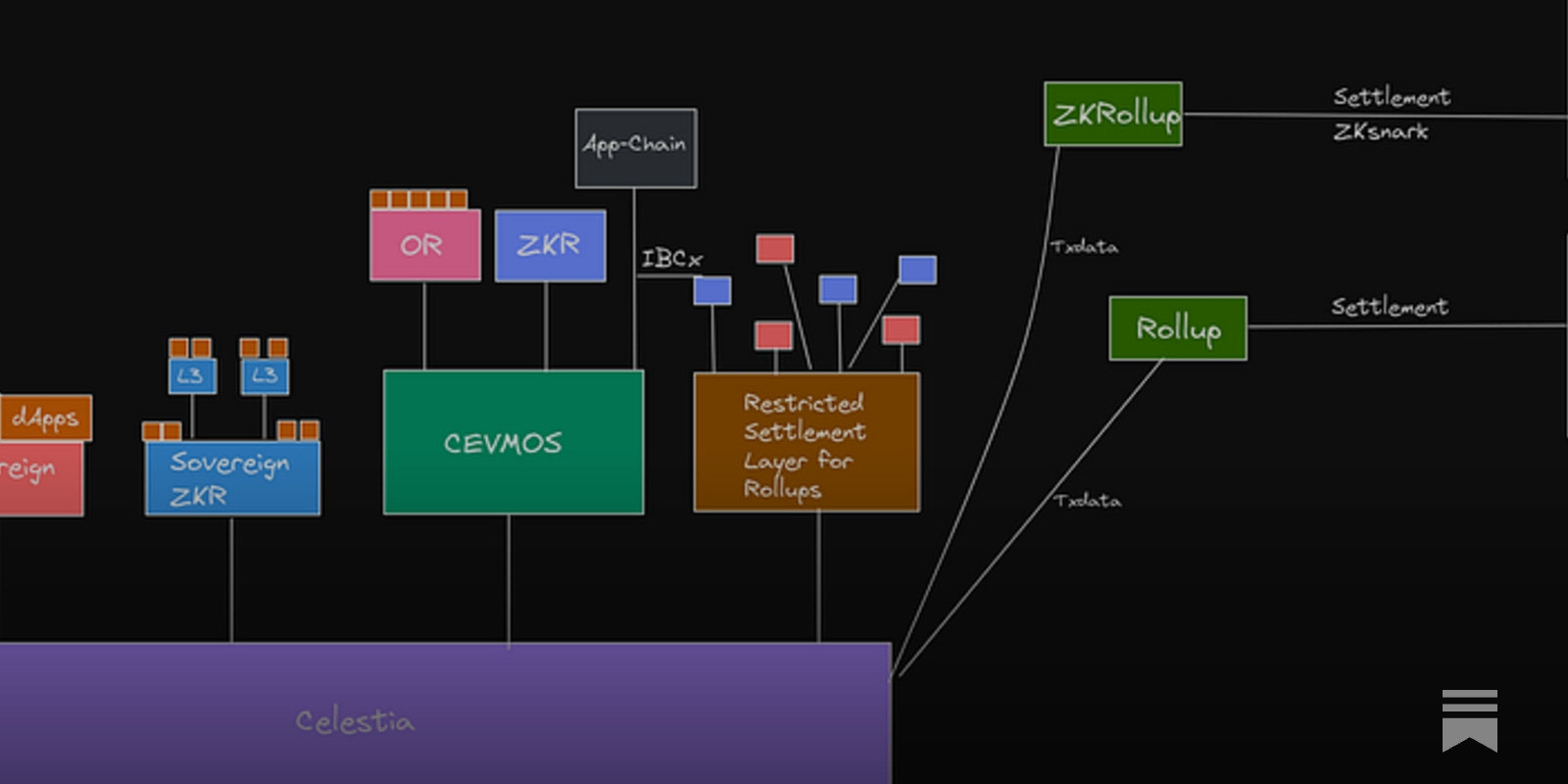
- Integrate Optimint as Consensus Layer: Replace traditional BFT consensus with Optimint to streamline rollup deployment and lower gas costs associated with consensus operations.
- Adopt Lazybridging with Native ZK Verification: Use Celestia’s Lazybridging for direct, gas-efficient asset transfers between rollups, leveraging zero-knowledge proofs for secure bridging.
- Design as Sovereign Rollups: Build rollups that publish blocks as raw data to Celestia, avoiding enshrined smart contracts for greater autonomy and potential gas savings.
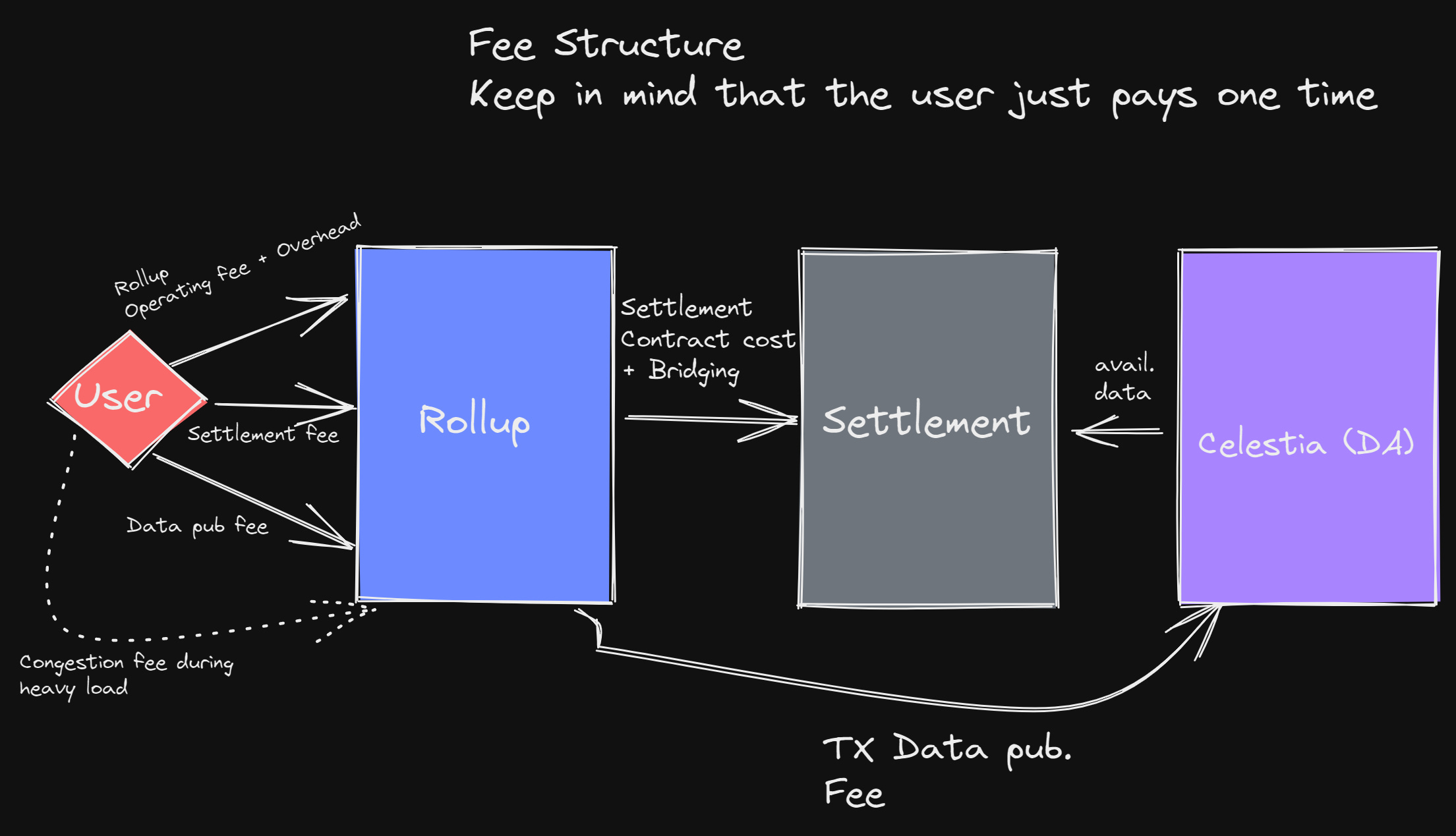
- Minimize On-Chain Storage: Store only critical state on-chain; offload non-essential data to Celestia’s data availability layer using DAS and NMTs.
- Batch Transactions Effectively: Group multiple actions into single batches to maximize throughput per block and reduce per-transaction overhead.
- Leverage Modular Execution: Use application-specific logic rather than generic EVM computation where possible, streamlining execution paths and saving gas.
- Optimize Cross-Rollup Communication: Employ Lazybridging and ZK verification to reduce the costs associated with asset transfers between rollups.
The Economic Impact: Lowering Celestia Transaction Costs
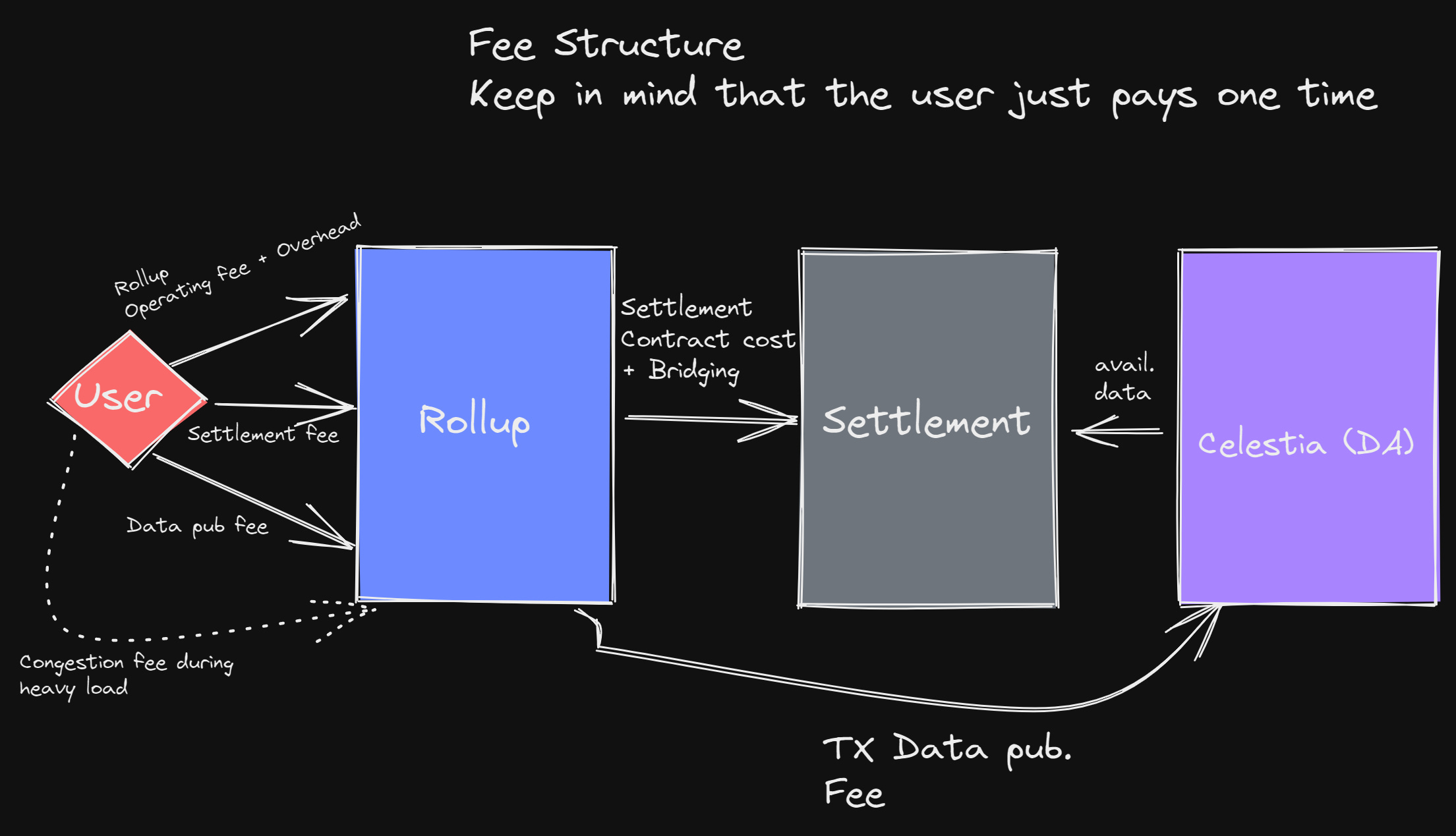
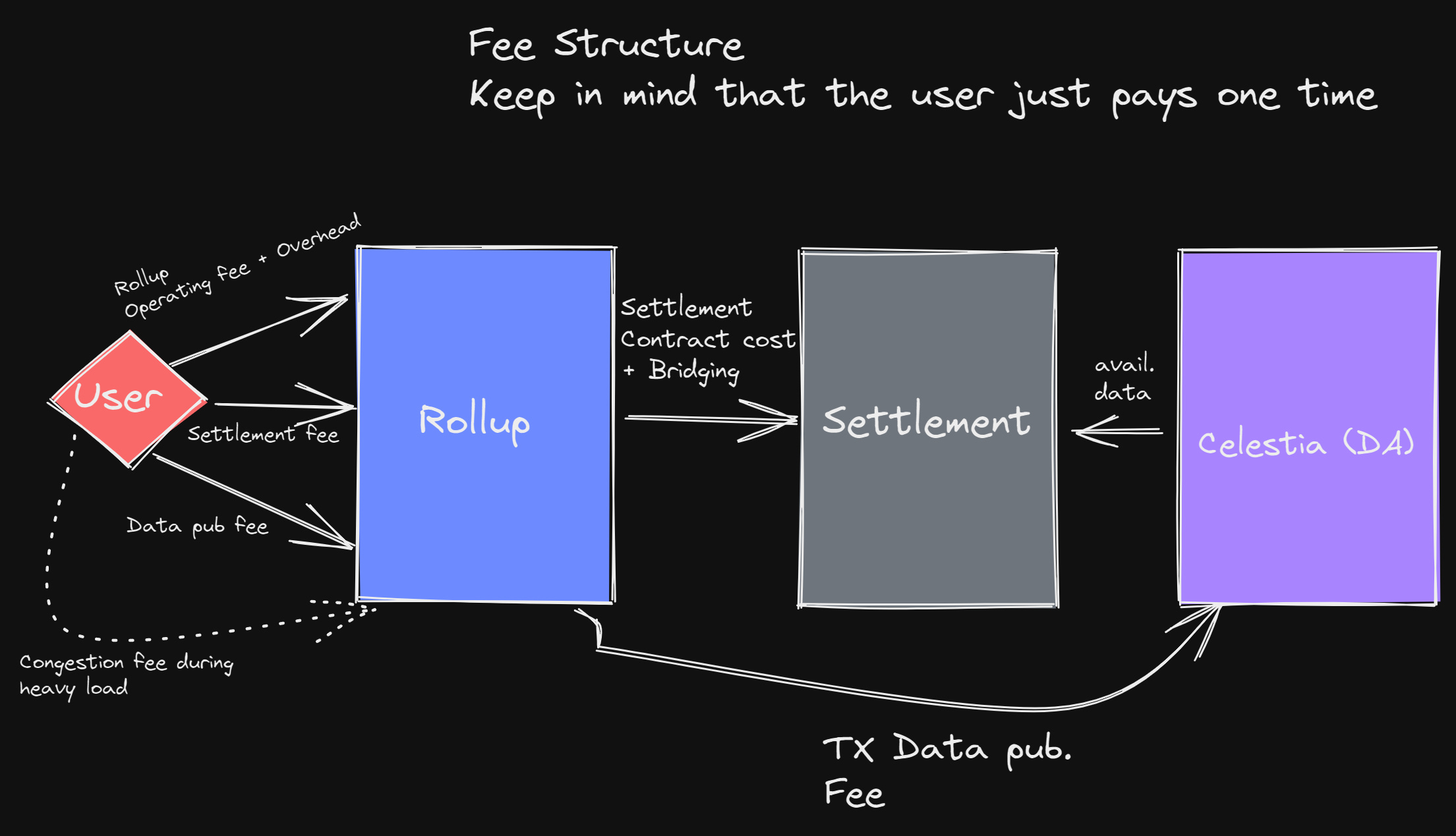
The economic significance of these optimizations is clear: lower transaction costs translate to broader adoption and greater network utility. With Celestia priced at $1.74, developers can build scalable applications without worrying about prohibitive fees. As shown by recent research into EIP‐4844’s impact on Layer 2 rollups, even minor improvements in gas efficiency can have outsized effects on user activity and dApp growth.
This focus on efficient data handling, through techniques like DAS, NMTs, and Optimint, ensures that resources are allocated where they matter most. Rather than simply increasing block gas limits (as seen on BSC), Celestia’s approach targets the root causes of inefficiency, delivering sustainable scalability gains.
Community Innovation and Ongoing Research
The pace of innovation within the Celestia developer community continues to accelerate. Ongoing research into settlement layer optimization (see more here) promises even greater flexibility for future rollups. Developers are also experimenting with hybrid models that combine the efficiency of sovereign rollups with the security guarantees of traditional Layer 1 chains, further reducing operational costs while maintaining robust decentralization.
Diversify with purpose: By integrating these advanced optimization techniques, projects can deliver a superior user experience while ensuring long-term sustainability in an increasingly competitive modular blockchain landscape.



No comments yet. Be the first to share your thoughts!