

Celestia’s Matcha upgrade is a seismic shift for modular rollup developers. The network’s new capacity for 128MB blocks, turbocharged data throughput, and a slashed annual inflation rate are not just incremental improvements - they’re the foundation for the next wave of scalable, economically robust rollup ecosystems. With Celestia (TIA) currently trading at $1.36, the technical and economic changes introduced by Matcha are already rippling through developer communities and DeFi circles.
128MB Blocks: Unleashing Modular Rollup Scalability
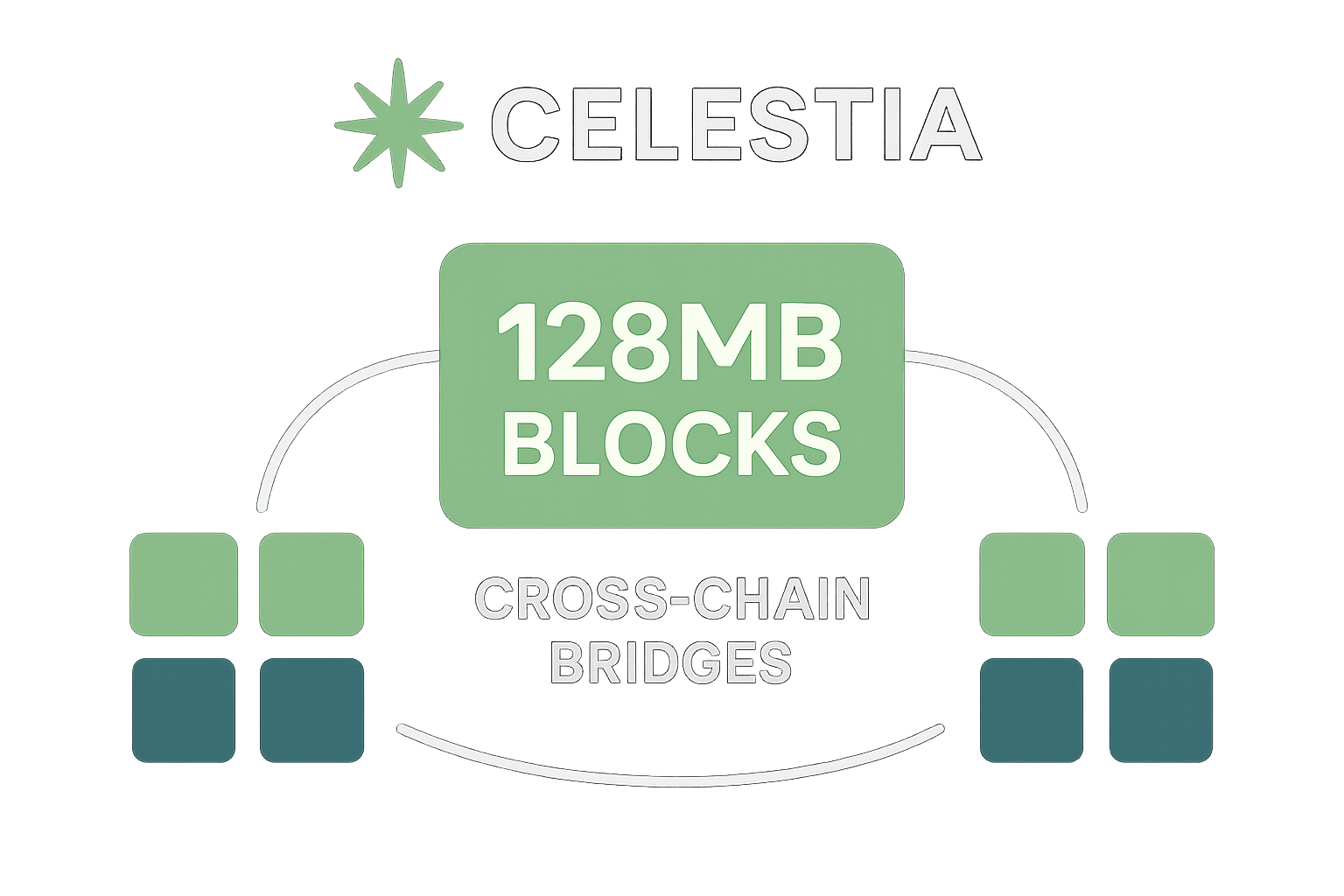
The headline feature of the Celestia Matcha upgrade is its support for massive 128MB blocks. That’s a dramatic leap from previous limits, propelling Celestia’s data availability throughput to a targeted 21.3 MB/s - roughly 16 times what earlier versions could handle. For modular rollup developers, this isn’t just about bigger numbers. It means:
- Higher transaction throughput: Rollups can batch and post far more transactions per block, reducing congestion and fees.
- Lower latency: Faster block propagation means users see their transactions confirmed in near real-time.
- Smoother user experiences: DApps can scale to serve thousands (or millions) without bottlenecking on data availability.
This boost in capacity is backed by an ultra-optimized block propagation mechanism that keeps network performance snappy - even as block sizes grow. If you’re building on Celestia or considering it for your next modular rollup, these changes remove one of the biggest scalability pain points in the ecosystem.
Inflation Slashed: TIA’s Economic Model Gets Leaner
The other half of Matcha’s one-two punch is economic: TIA inflation has been cut from 5% to 2.5% annually. This is not just cosmetic - it tightens token supply growth right as demand from developers and DeFi users heats up. Here’s why this matters for modular rollup builders:
- Stronger collateral properties: Lower inflation means staked TIA holds value better over time, making it more attractive as DeFi collateral or security bond within your protocol.
- Sustainable validator incentives: While rewards shrink slightly, the long-term health of the network improves as token dilution slows.
- Tighter tokenomics for users: End-users benefit from reduced sell pressure and a more stable asset backing their activity on Celestia-powered chains.
This move positions TIA as a more credible base asset across DeFi applications built on or secured by Celestia DA - an important consideration if you’re designing protocols that rely on predictable token economics.
Celestia (TIA) Price Prediction 2026-2031 Post-Matcha Upgrade
Impact of 128MB Blocks, Lower Inflation, and Enhanced Interoperability on TIA Value
| Year | Minimum Price | Average Price | Maximum Price | Year-over-Year Change (Avg) | Key Market Scenario |
|---|---|---|---|---|---|
| 2026 | $1.10 | $1.60 | $2.20 | +17.6% | Adoption grows as modular rollups expand, but market remains cautious post-upgrade |
| 2027 | $1.35 | $2.15 | $3.00 | +34.4% | DeFi usage on Celestia increases; competition from other DA layers |
| 2028 | $1.80 | $2.90 | $4.10 | +34.9% | Wider rollup ecosystem adoption and cross-chain interoperability drive demand |
| 2029 | $2.20 | $3.75 | $5.25 | +29.3% | Mainstream use cases for modular blockchains emerge, regulatory clarity improves |
| 2030 | $2.75 | $4.60 | $6.40 | +22.7% | Celestia cements itself as a leading DA layer; further scalability upgrades possible |
| 2031 | $2.90 | $5.20 | $7.30 | +13.0% | Market matures, growth moderates; TIA becomes a staple in DeFi collateral |
Price Prediction Summary
Celestia’s TIA token is positioned for progressive growth following the Matcha upgrade, with initial cautious optimism giving way to stronger adoption as rollup and DeFi ecosystems leverage its enhanced scalability and lower inflation. While initial years may see moderate gains as the market digests the upgrade, long-term prospects are buoyed by Celestia’s technical leadership in modular blockchain architecture, improved tokenomics, and expanding interoperability. Risks remain from competition and broader market cycles, but TIA’s fundamentals are significantly stronger post-upgrade.
Key Factors Affecting Celestia Price
- Matcha upgrade’s 128MB block size and throughput boost, enabling more rollups and higher transaction volumes.
- Inflation cut from 5% to 2.5% annually, making TIA more attractive as DeFi collateral and for staking.
- Removal of IBC/Hyperlane token filter, enhancing cross-chain asset flows and interoperability.
- Increased adoption of modular rollups, driving demand for Celestia’s data availability layer.
- Potential for future scalability improvements and protocol upgrades.
- Competition from other data availability and modular blockchain solutions (e.g., EigenLayer, Avail).
- General crypto market cycles, including potential bull/bear markets and macroeconomic influences.
- Regulatory developments affecting DeFi and cross-chain interoperability.
Disclaimer: Cryptocurrency price predictions are speculative and based on current market analysis. Actual prices may vary significantly due to market volatility, regulatory changes, and other factors. Always do your own research before making investment decisions.
Interoperability Upgrades: IBC/Hyperlane Without Borders
The Matcha upgrade also removes the longstanding token filter for IBC and Hyperlane bridging. In plain English? Developers and users can now bridge any asset to Celestia without restriction. This unlocks powerful new routing possibilities:
- No more whitelists: Any ERC-20 or Cosmos-based asset can flow into or out of your modular rollup via Celestia as a routing hub.
- Simplified cross-chain UX: Users interact with assets seamlessly across chains, driving higher liquidity and engagement in your dApps.
- Easier integration with existing DeFi stacks: Modular rollups built atop Celestia can tap into broader pools of capital and utility tokens without custom bridge logic.
This interoperability boost is already being tested in environments like the Arabica testnet - giving developers a sandbox to experiment with cross-chain flows before mainnet deployment. For those aiming to build truly borderless applications, this change lowers friction dramatically.
For modular rollup teams, these technical and economic upgrades are more than just theoretical. They directly impact how you architect, optimize, and grow your chain. The ability to post larger batches per block means you can push the limits on throughput without worrying about running into DA bottlenecks. And with TIA’s improved monetary profile, your treasury and user incentives become more robust against dilution.
What Developers Should Do Now
If you’re actively building or maintaining a modular rollup on Celestia, now’s the time to revisit your DA integration settings and fee models. Consider:
Actionable Steps for Rollup Developers After Matcha
- Upgrade rollup DA integration to support 128MB blocks. Update your data availability (DA) layer configuration to leverage Celestia's new 128MB block limit for higher throughput and lower latency.

- Optimize transaction batching and state commitments. Adjust rollup batch sizes and submission logic to take advantage of increased block capacity, reducing overhead and improving efficiency.
- Reassess TIA staking and collateral strategies. With TIA inflation now at 2.5% and the price at $1.36, review staking models and collateral requirements for DeFi protocols to ensure optimal economic security.

- Integrate broader IBC/Hyperlane bridging options. Remove previous token filters and enable support for a wider range of bridged assets, expanding user and liquidity access via IBC and Hyperlane.

- Monitor network performance and adjust fee models. Track post-upgrade throughput and propagation metrics to recalibrate rollup fee structures for users, ensuring cost-effectiveness and sustainability.
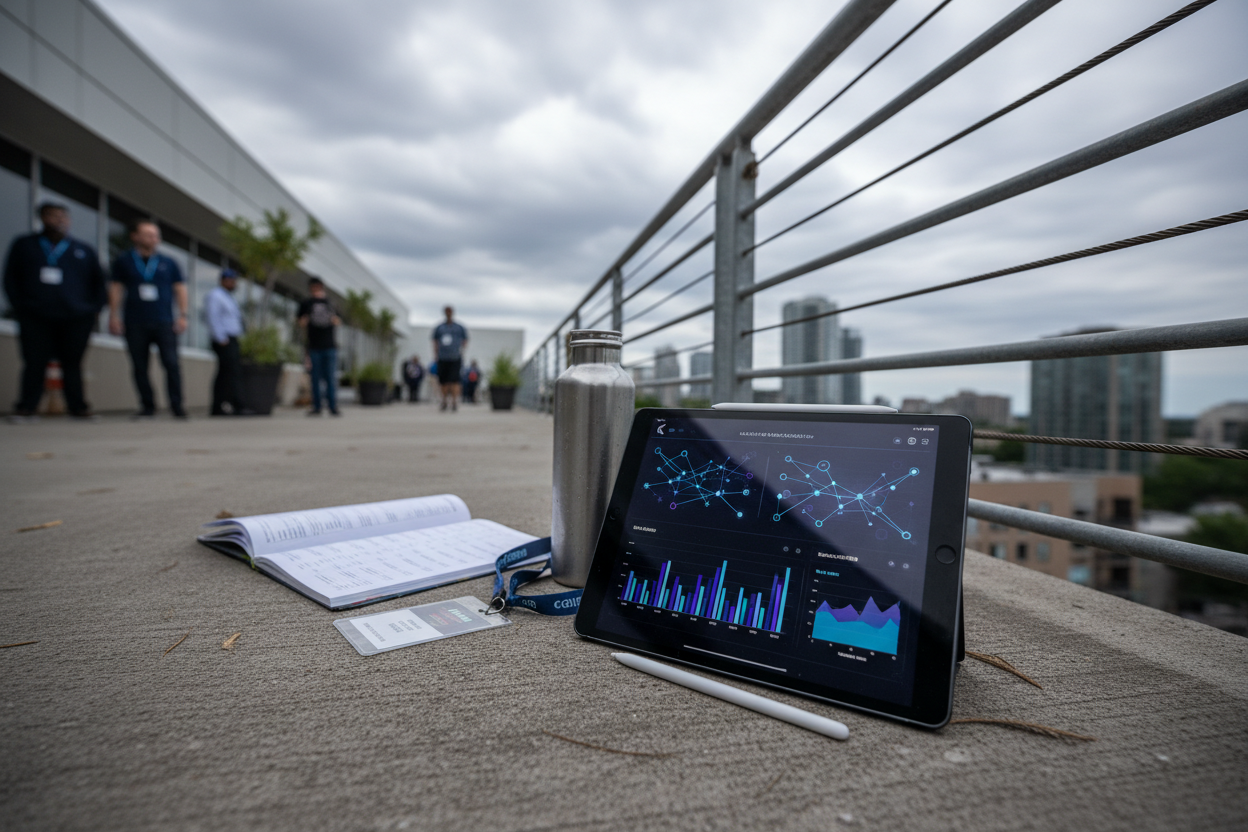
Keep an eye on network performance metrics as the new 128MB blocks go live. Monitor how your sequencer interacts with Celestia’s DA layer in real-world conditions, especially during periods of high demand, when the expanded bandwidth will matter most.
Community Reactions and Ecosystem Impact
The response across the modular blockchain community has been swift. Many see the Matcha upgrade as a green light for scaling up production rollups or migrating from legacy monolithic chains. With Celestia (TIA) at $1.36, market watchers are also speculating about potential deflationary pressure if demand outpaces issuance under the new 2.5% inflation cap.
Feedback from early testers on Arabica testnet suggests that onboarding assets via IBC/Hyperlane is dramatically simpler post-upgrade, a crucial win for teams prioritizing composability and liquidity aggregation.
Looking Ahead: The Modular Rollup Roadmap
The Matcha upgrade isn’t an endpoint, it’s a new baseline for what’s possible in modular rollup design. Expect follow-on proposals focused on further optimizing block propagation, reducing fees per byte posted, and expanding interoperability even further across Cosmos and Ethereum ecosystems.
If you’re planning to launch a high-throughput dApp or protocol in late 2025 or beyond, building atop Celestia v6 offers a foundation that’s both scalable and future-proofed against runaway token inflation. The combination of technical headroom (128MB blocks), sound tokenomics (2.5% inflation), and borderless asset flows through IBC/Hyperlane makes it hard to ignore, especially as other data availability layers struggle with similar scaling challenges.
Bottom line: The Celestia Matcha upgrade clears a major hurdle for modular rollup scalability while tightening economic incentives for builders and users alike. If you’re not already experimenting with these features on testnet, or planning your migration, now is the moment to get involved. For full details straight from the source, check out the official announcement at Celestia Blog.



No comments yet. Be the first to share your thoughts!