
Hybrid rollup architecture is rapidly emerging as a transformative force in the modular blockchain ecosystem, unlocking unprecedented scalability for developers and users alike. As networks like Celestia, Eclipse, and Conduit reimagine the foundations of blockchain infrastructure, hybrid rollups are setting new standards in transaction throughput, cost efficiency, and security. This article explores how these innovative architectures are driving the next wave of modular rollup scalability.
Decoding Hybrid Rollup Architecture: Merging Strengths for Scalability
At its core, hybrid rollup architecture fuses the advantages of optimistic and zero-knowledge (ZK) rollups to create a more balanced and scalable solution. Optimistic rollups allow for rapid transaction processing by assuming validity unless challenged, while ZK rollups deliver instant finality through cryptographic proofs. The hybrid approach leverages both: transactions are initially processed optimistically for speed and low cost, with ZK proofs generated in parallel to guarantee security and verifiability.
This dual-layered validation creates a dynamic where high throughput does not come at the expense of trustlessness or safety. In practice, this means that applications built atop platforms like Celestia or Conduit can achieve both blistering speed and robust security - a crucial step forward in solving the blockchain scalability trilemma.
The Modular Blockchain Advantage: Unbundling Core Layers
The rise of modular blockchain frameworks has fundamentally altered how blockchains scale. Unlike traditional monolithic chains that bundle execution, consensus, and data availability into a single layer, modular chains separate these concerns. This allows each layer to specialize and scale independently:
Key Benefits of Modular Blockchains Over Monolithic Chains
- Enhanced Scalability Through Layer Separation: Modular blockchains like Celestia separate execution, consensus, and data availability into distinct layers. This enables each component to scale independently, dramatically increasing transaction throughput compared to monolithic chains that process everything on a single layer.
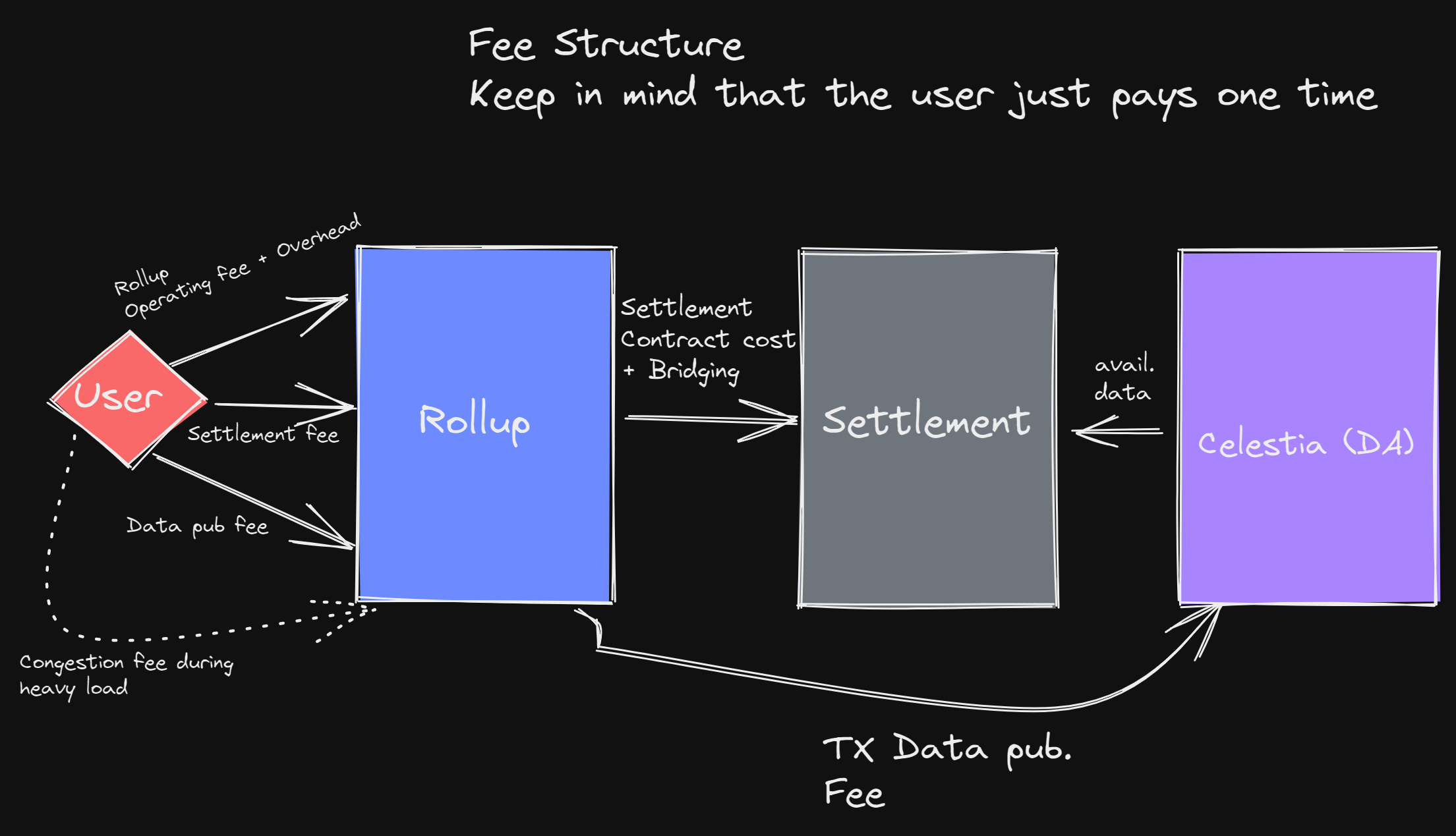
- Lower Transaction Costs: By offloading data availability and execution to specialized layers, modular blockchains can significantly reduce transaction fees. For example, storing data on Celestia is cheaper per byte than on traditional monolithic chains, making it more cost-effective for users and developers.
- Customizable and Flexible Execution Environments: Developers can launch custom rollups or app chains using modular platforms like Celestia and Eclipse, tailoring execution environments to specific application needs. This flexibility is not possible on rigid, monolithic chains.
- Improved Security and Decentralization: Modular architectures allow for robust security models by leveraging decentralized consensus and data availability layers. Hybrid rollups further enhance security by combining optimistic and zero-knowledge (ZK) proofs, addressing the scalability trilemma.
- Rapid Innovation and Ecosystem Growth: By enabling independent development of execution and data layers, modular blockchains foster a vibrant ecosystem where new rollups and applications can be deployed rapidly—accelerating innovation compared to the slower evolution of monolithic chains.
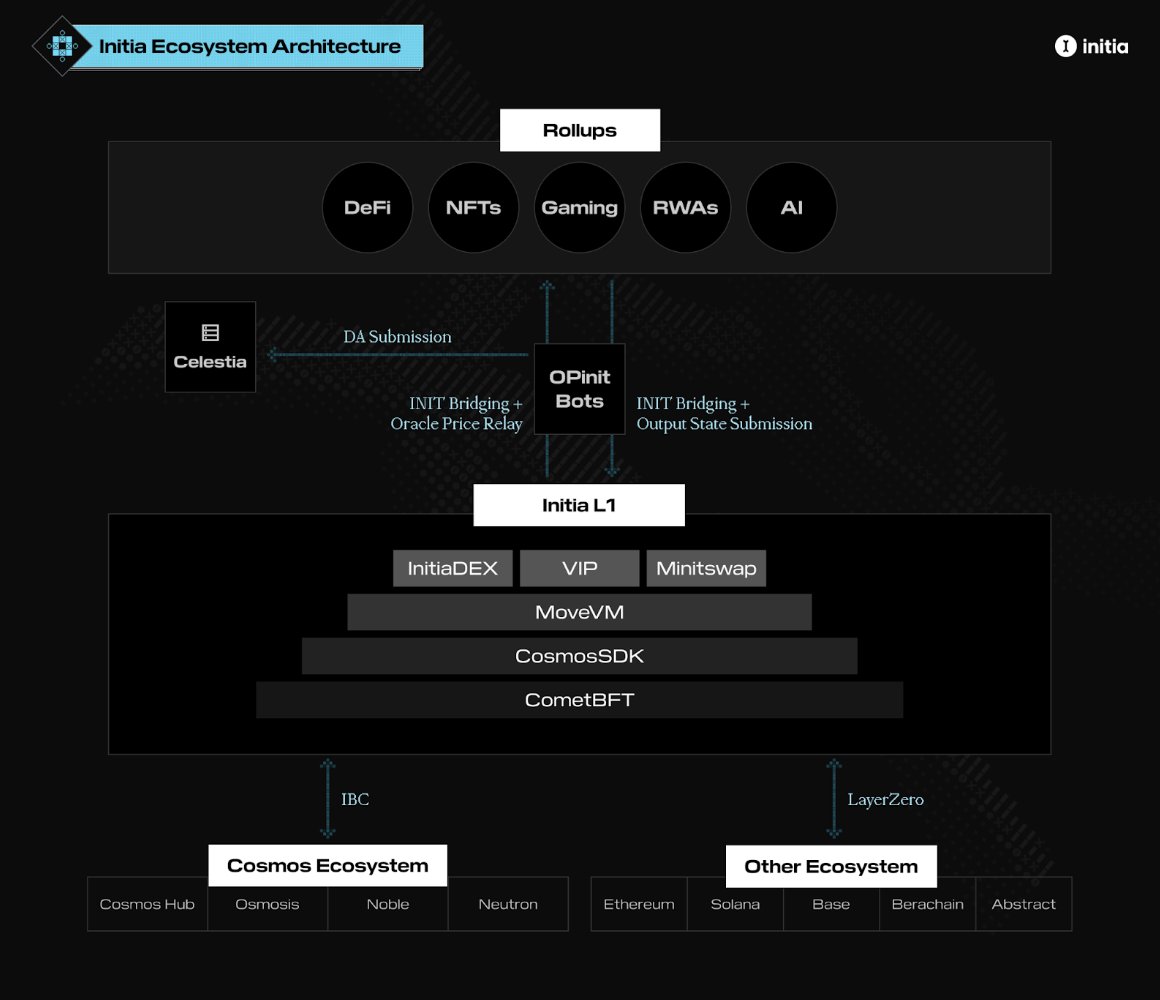
Celestia rollups, for instance, utilize Celestia’s dedicated data availability layer while offloading execution to customizable rollup stacks. This approach not only reduces congestion on the base chain but also slashes costs - storing data on Celestia is significantly cheaper per byte compared to legacy L1s (source). Platforms like Eclipse further empower developers to create bespoke app-chains that tap into this modular infrastructure (source).
Pushing Throughput Boundaries: Real-World Impact
The impact of scalable hybrid rollups is already visible across leading ecosystems. Ethereum’s transition toward a modular architecture - emphasizing rollup-centric computation - has pushed Layer 2 throughput consistently above 300 transactions per second as of December 2024 (source). These advances are not theoretical; they translate directly into lower fees, faster settlements, and new possibilities for decentralized applications.
Eclipse blockchain’s hybrid model, leveraging both optimistic speed and ZK security atop Celestia’s data availability guarantees, exemplifies this progress. As more projects adopt these architectures via platforms like Conduit or Eclipse, we’re witnessing a shift from experimentation to enterprise-grade deployment.
Navigating Challenges in Hybrid Rollup Deployment
No breakthrough comes without hurdles. Implementing hybrid architectures requires compiling execution environments to simplified virtual machines and managing complex proof generation workflows. Ensuring consistency between optimistic processing and ZK verification demands deep engineering expertise - but as research accelerates across teams at Celestia Labs and beyond (source), these barriers are falling rapidly.
Community and developer engagement is another key factor in the evolution of modular rollup scalability. As more projects experiment with hybrid rollup stacks, the open-source ethos driving platforms like Celestia and Eclipse ensures rapid iteration and knowledge sharing. This collaborative environment accelerates innovation, making it easier for teams to deploy custom rollups tailored to specific use cases, whether that’s high-frequency DeFi, NFT marketplaces, or cross-chain bridges.
One of the most exciting prospects is the ability to launch new rollups with minimal friction. Platforms such as Conduit now offer streamlined deployment pipelines, projects can spin up their own app-chains leveraging Celestia’s data availability without becoming infrastructure experts themselves. This abstraction of complexity democratizes access to scalable blockchain technology and fosters a diverse ecosystem of interoperable solutions.
Interoperability and The Multi-Chain Future
The modular paradigm is also setting the stage for a truly interoperable blockchain universe. By decoupling execution from consensus and data availability, hybrid rollups can communicate across different ecosystems, enabling seamless asset transfers and composability between chains. This vision of a multi-chain future is already materializing as developers use frameworks like Eclipse to build specialized app-chains that interact via shared data layers.
Top Use Cases Enabled by Hybrid Rollup Architectures
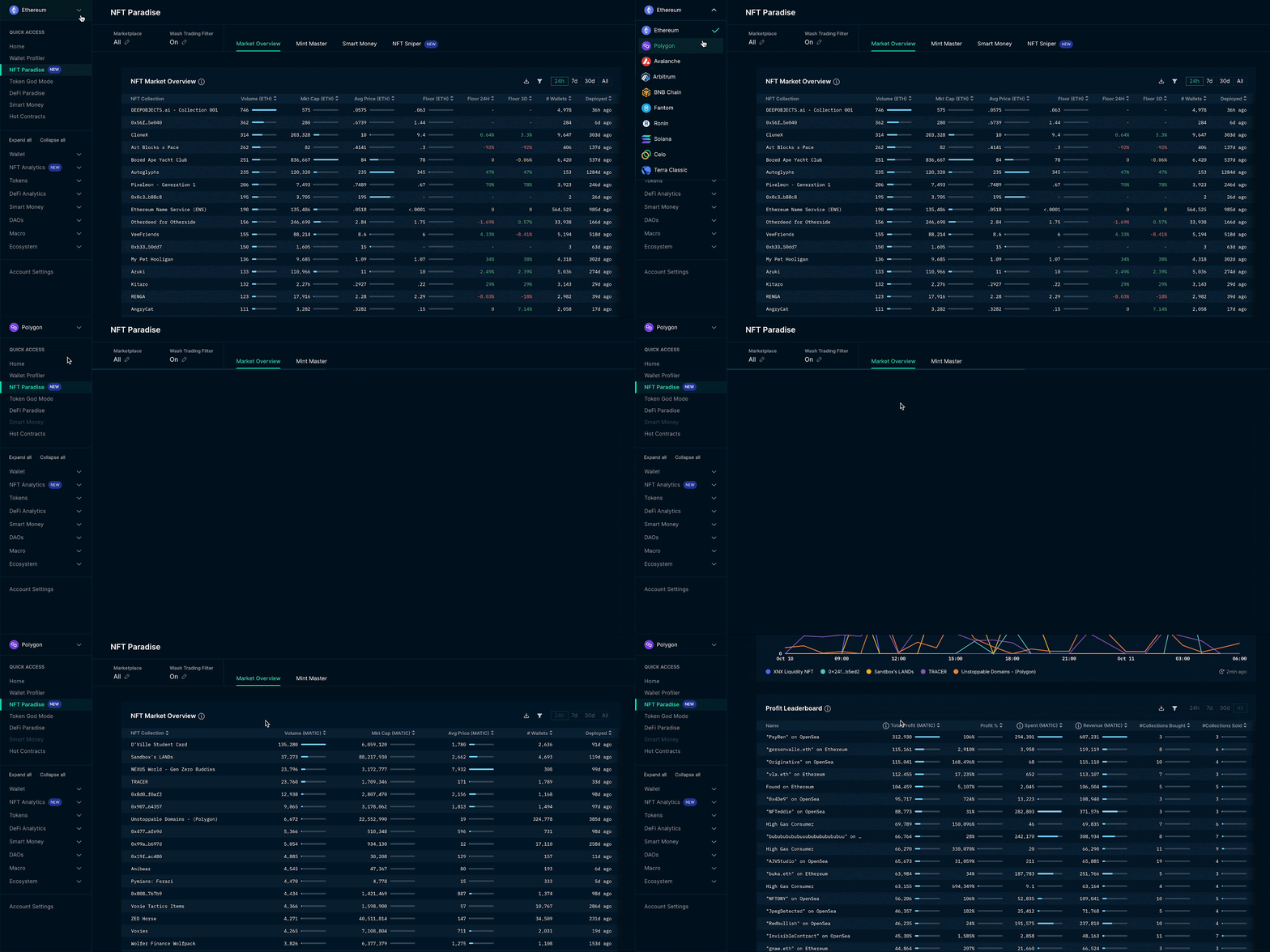
- Scalable NFT Marketplaces: Platforms such as OpenSea benefit from hybrid rollup architectures, enabling rapid minting, trading, and transferring of NFTs with reduced gas fees and improved user experience, all while securing transactions on modular blockchains like Celestia.

- On-Chain Gaming and Metaverse Platforms: Projects like Decentraland and Improbable utilize hybrid rollup architectures to support massive multiplayer environments, real-time asset exchanges, and seamless in-game economies with scalable performance and strong security guarantees.

As rollup interoperability becomes reality, users will no longer be siloed within single networks. Instead, liquidity, assets, and applications can flow freely across an interconnected web of modular blockchains, each optimized for its own niche but united by common data availability backbones like Celestia.
What Comes Next for Hybrid Rollups?
The coming year will be pivotal for hybrid rollup architecture adoption. As technical barriers recede and real-world deployments multiply, expect to see:
- Bespoke app-chains launching on modular frameworks with out-of-the-box scalability
- Layer 2 throughput records shattered as ZK proof systems become more efficient
- User experience breakthroughs, including instant finality and near-zero fees for mainstream dApps
- Enhanced security models, combining fraud proofs with cryptographic guarantees in production environments
The hybrid approach is not merely a technical upgrade, it’s a philosophical shift toward unbundled innovation, permissionless experimentation, and sustainable scaling. As we move deeper into this era, the convergence of optimistic speed with ZK assurance will define the next generation of blockchain infrastructure.
The promise of hybrid rollup architecture lies not just in technical elegance but in its power to unlock new markets and business models previously constrained by legacy limitations. For builders ready to embrace modularity, and communities eager for performant decentralized applications, the future has never looked more scalable.




No comments yet. Be the first to share your thoughts!