
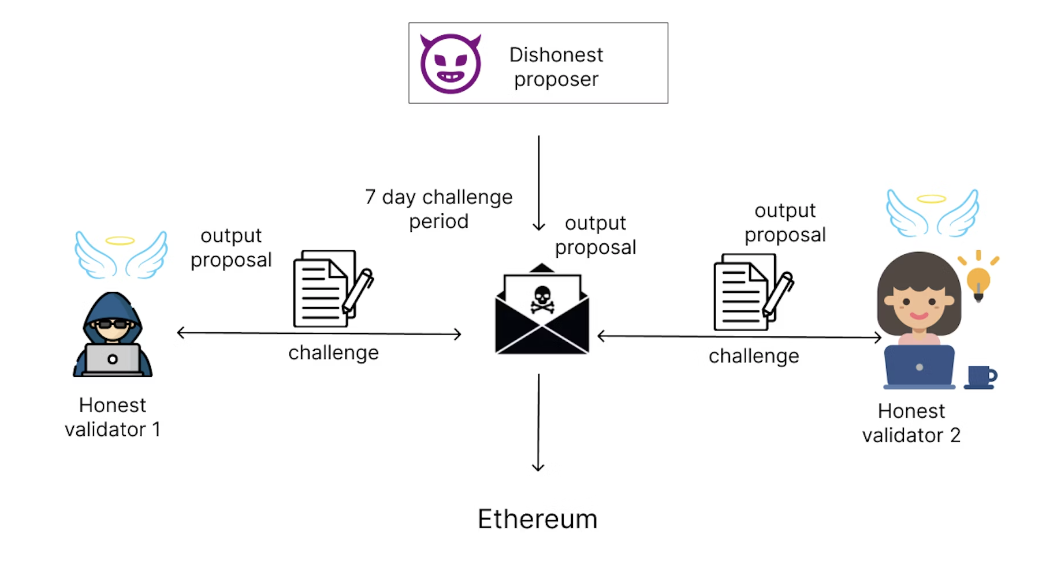
Why rollup bundlers matter in 2026
The shift away from traditional bundlers like Webpack 4 or older Gulp setups is no longer just about preference; it is a necessity for modern web performance. In 2026, the industry standard has firmly moved toward modular, rollup-based architectures. This transition prioritizes speed during both development and production builds, alongside aggressive tree-shaking that removes unused code before it ever reaches the browser.
Traditional bundlers often bundle entire libraries even when you only use a single function. Rollup-based tools, such as Vite (which relies on Rollup for production builds) and esbuild, analyze your code statically. They identify exactly which exports are used and strip the rest. This results in significantly smaller bundle sizes, faster load times, and a better user experience on mobile networks.
The 2026 landscape also sees the rise of Rolldown, currently in beta as part of Vite 8, which aims to replace both ESBuild and Rollup with a Rust-based solution. Meanwhile, tools like tsdown are gaining traction for TypeScript-specific optimizations. These new engines maintain the core benefits of rollup-style bundling—strict module resolution and efficient code splitting—while pushing performance boundaries further. For developers, this means less configuration overhead and more predictable build outputs.
Sticking to these rollup-based foundations ensures your web apps remain lightweight and maintainable. As the ecosystem continues to evolve toward ESM (ECMAScript Modules) as the default, leveraging these tools becomes the most practical path for long-term project health.
5 Best Rollup Frameworks for 2026 Web Apps
Selecting the right bundler is critical for 2026 web app performance. This list identifies five specific Rollup-based frameworks that deliver concrete build speed and tree-shaking benefits for modern development workflows.
1. Vite 8 with Rolldown engine integration
Vite 8 shifts its default bundler from ESBuild to Rolldown, leveraging Rust for significantly faster cold starts. This update streamlines the development experience for large-scale React and Vue applications. The integration maintains familiar configuration patterns while delivering substantial performance gains in module resolution and HMR updates for modern web stacks.
2. tsup zero-config TypeScript build tool
tsup eliminates boilerplate by bundling TypeScript projects with esbuild under the hood. It automatically handles declaration file generation and dual ESM/CJS output without complex rollup configs. This tool is ideal for library authors who need quick, reliable builds with minimal setup overhead and immediate type safety verification.

3. Rolldown Rust-based bundling performance
Rolldown brings Rust-level compilation speed to the Rollup ecosystem, offering a drop-in replacement for existing plugins. It processes modules in parallel, drastically reducing build times for monorepos. Developers gain near-instant feedback loops without sacrificing the tree-shaking capabilities and plugin architecture they rely on for production builds.

4. Rollup 4 stable release features
Rollup 4 stabilizes its configuration interface and improves tree-shaking precision for modern JavaScript modules. It enforces stricter module resolution rules, reducing bundle bloat from unused exports. This version provides a robust foundation for frameworks requiring predictable, optimized output with enhanced support for dynamic imports and side-effect analysis.

5. esbuild alternative for rapid compilation
esbuild remains the benchmark for raw compilation speed, using Go to compile JavaScript and TypeScript in milliseconds. While it lacks some advanced plugin ecosystems, its simplicity and speed make it perfect for development servers and CI pipelines. It handles large codebases effortlessly, providing instant feedback during iterative coding sessions.

Esbuild vs Rollup in 2026
The debate between Esbuild and Rollup comes down to a simple trade-off: raw speed versus precise optimization. In 2026, this choice defines how your web app loads and how long it takes to build. Esbuild handles the heavy lifting of compilation, while Rollup excels at cleaning up the final output.
Esbuild is built in Go, making it significantly faster than traditional JavaScript bundlers. It processes code quickly, which is ideal for development servers where you need instant feedback. However, its aggressive bundling can sometimes include more code than necessary, leading to larger production bundles.
Rollup, on the other hand, uses static analysis to perform superior tree-shaking. It removes unused code more effectively than Esbuild, resulting in smaller, more efficient production files. This makes it the preferred choice for library authors and projects where bundle size is critical. The slower build time is often a worthwhile investment for the performance gain.
Comparison
| Feature | Esbuild | Rollup |
|---|---|---|
| Build Speed | Extremely Fast | Moderate |
| Tree-Shaking | Basic | Advanced |
| Best Use Case | Development, Fast Iteration | Production, Library Bundling |
| Configuration | Minimal | Flexible |
Choosing the Right Tool
If you are building a large-scale application where development speed matters, stick with Esbuild or tools like Vite that leverage it. If you are shipping a library or a content-heavy site where every kilobyte counts, Rollup’s precision is worth the wait. Many teams use both: Esbuild for the dev server and Rollup for the final production build.
| Feature | Esbuild | Rollup |
|---|---|---|
| Build Speed | Fastest | Moderate |
| Tree-Shaking | Basic | Advanced |
| Ecosystem | Growing | Mature |
| Config Complexity | Low | High |
How to choose the right bundler
Selecting a rollup framework depends on your project's specific constraints. There is no single tool that dominates every use case. Instead, match your requirements to the strengths of the available options.
1. Define your scaling needs Determine if you need fast finality or low transaction costs. Optimistic rollups like Arbitrum and OP Mainnet are suitable for general-purpose dApps that prioritize EVM compatibility. ZK-rollups like ZKsync offer higher throughput but require more complex development environments.
2. Check language compatibility Most rollups support Solidity and Vyper. If you are using Rust or Go, look for frameworks with native support for those languages. Ensure your existing codebase can compile without significant refactoring.
3. Evaluate developer tools The ecosystem around a framework matters. Tools like Foundry, Hardhat, and Tenderly simplify testing and deployment. Alchemy and major rollup-native testnets provide the infrastructure needed to debug issues quickly. A robust toolchain reduces development time significantly.
4. Consider community and adoption Larger communities mean better documentation and faster bug fixes. Check GitHub activity and forum discussions. A framework with active maintenance is less likely to become obsolete.
5. Test before committing Build a small prototype. Deploy it to a testnet. Measure gas costs and transaction speed. This practical test reveals issues that theoretical comparisons cannot.
Helpful gear
Use these product recommendations as a starting point, then choose the size, material, and price point that fit how you actually use the gear.

As an Amazon Associate, we may earn from qualifying purchases.
No comments yet. Be the first to share your thoughts!