

4 Rollup 4 vs Vite 6: Choosing the Right Bundler for 2026
Selecting between Rollup 4 and Vite 6 depends on your project’s specific build requirements. Evaluate each bundler’s configuration complexity, plugin ecosystem, and startup speed to determine the optimal tool for your 2026 workflow.
-
Configure Rollup 4 for library distribution
Set up Rollup 4 to output multiple formats like ESM and CJS for broad compatibility. Define entry points in rollup.config.js and use plugins such as @rollup/plugin-typescript for type checking. Configure output options to manage file naming and sourcemaps. This setup ensures your package works seamlessly across different project structures and bundlers. -
Set up Vite 6 for application development
Initialize Vite 6 with npm create vite@latest to scaffold a modern web app. Configure vite.config.ts to set up the dev server, proxy API requests, and define environment variables. Leverage its native TypeScript and JSX support to start coding immediately. The setup prioritizes fast cold starts and efficient module graph management for rapid iteration. -
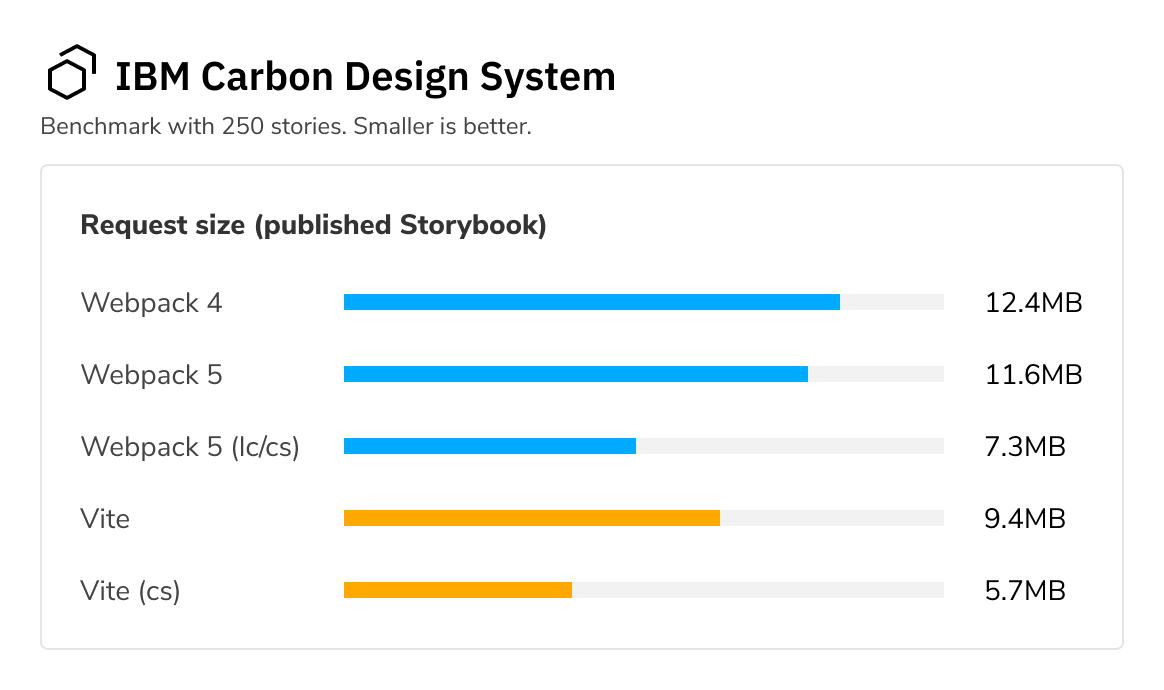
Compare Rollup 4 build performance metrics
Analyze Rollup 4’s production build times using tools like rollup-plugin-visualizer . Measure bundle size reductions and build duration against previous versions. Focus on tree-shaking efficiency and how well it eliminates dead code. These metrics reveal Rollup’s strength in optimizing final output size, making it ideal for libraries where minimal footprint matters most. -

Evaluate Vite 6 HMR speed benefits
Test Vite 6’s Hot Module Replacement by modifying components and observing update times. Vite uses native ES modules in the browser, enabling near-instant updates without full page reloads. Compare these speeds against traditional bundlers. The rapid feedback loop significantly boosts developer productivity during complex UI adjustments and state management debugging sessions.
Rollup is a Bundler, Vite is a Server
Understanding the relationship between Rollup and Vite starts with their definitions. Rollup is a module bundler for JavaScript. It takes small pieces of code and compiles them into a larger, more complex output like a library or application bundle. Its primary job is static asset generation.
Vite is a development server. It serves your code instantly using native ES modules during development. However, when you build your project for production, Vite uses Rollup under the hood to create the final optimized bundle.
Think of Vite as the front desk and Rollup as the warehouse. Vite handles the immediate requests from developers, providing fast refresh and hot module replacement. Rollup handles the heavy lifting of packing everything up for the final shipment to users.
This division of labor means Vite inherits Rollup’s production quality while adding speed to the development cycle. When you choose Vite, you are choosing a workflow that relies on Rollup for the final output.
Four areas where Rollup 4 leads
Rollup 4 and Vite 6 share a common lineage, but they serve different masters. Vite is a development server and build tool optimized for speed in application development, leveraging Rollup for production builds. Rollup 4, however, remains the gold standard for library bundling. When you are publishing code for others to consume, Rollup 4 offers specific technical advantages that Vite’s abstraction layer often obscures.
Deeper tree-shaking control
Rollup 4 provides more granular control over how it eliminates unused code. While Vite uses Rollup under the hood, it applies default configurations designed for general application development. These defaults sometimes preserve code that a library author would want to strip out. With Rollup 4, you can configure external modules more precisely, ensuring that your library does not bundle dependencies that consumers already have.
This level of control is critical when you are building a utility library or a framework extension. You want the final bundle to contain only the code your users actually call. Rollup 4’s static analysis is rigorous, allowing you to define exactly what enters and leaves the bundle. Vite’s HMR-focused setup prioritizes speed and ease of use over this level of surgical precision.
Wider output format support
One of Rollup 4’s strongest features is its ability to generate multiple output formats in a single build. You can produce ES modules, CommonJS, and UMD bundles simultaneously. This is essential for libraries that need to work in diverse environments, from modern browsers to Node.js servers and legacy systems.
Vite is primarily designed for ES module outputs that work in modern browsers and Node.js. While it can handle some CommonJS needs, it does not offer the same flexibility for multi-format distribution. If your library needs to support older environments or specific module systems, Rollup 4’s configuration options give you the tools to do so without maintaining separate build pipelines.
Mature plugin ecosystem
The ecosystem around Rollup 4 is mature and stable. Plugins like @rollup/plugin-typescript, @rollup/plugin-commonjs, and @rollup/plugin-node-resolve have been refined over years of use. They are well-documented and widely adopted by the JavaScript community. This stability means you can rely on these tools to handle complex transformations predictably.
Vite has its own plugin system, which is fast-growing and innovative. However, it is newer and less battle-tested for library bundling tasks. When you encounter edge cases in module resolution or transformation, the Rollup 4 ecosystem offers more resources and community support. You are less likely to hit a wall because someone else has already solved the problem.
Predictable production builds
Rollup 4 produces deterministic builds. This means that if you run the same build command twice with the same input, you get the same output. This predictability is vital for version control, caching, and debugging. Developers can trust that their production bundles are consistent and reproducible.
Vite’s development server is designed to be dynamic, updating code on the fly. This is excellent for development but can introduce variability in how builds are perceived. For production, Vite delegates to Rollup, but the abstraction can sometimes mask configuration details. Rollup 4 puts you in direct control of the build process, ensuring that every aspect of the output is intentional and stable.
- You are bundling a library or component for npm.
- You need to output multiple module formats (ESM, CJS, UMD).
- You require fine-grained control over tree-shaking and external dependencies.
- You need a stable, deterministic build process for production.
- You rely on mature, widely-tested plugins for TypeScript or CommonJS.
- Your consumers use a variety of environments and module systems.
- You prefer explicit configuration over Vite’s opinionated defaults.
- You are optimizing for bundle size rather than development server speed.
When Vite 6 Is the Better Choice
Vite 6 shines when you are building an application rather than a library. Its development server is built on native ES modules, which means it serves code directly from the file system without bundling everything upfront. This approach makes the initial startup time nearly instantaneous and ensures that Hot Module Replacement (HMR) updates are fast, regardless of how large your project grows.
This speed is particularly valuable for framework-specific development with React, Vue, or Svelte. These frameworks have official Vite plugins that are tightly integrated and optimized. When you use Vite 6, you get immediate feedback on UI changes, which accelerates the iterative process of building user interfaces. The developer experience feels fluid because the toolchain stays out of the way.
In contrast, Rollup is designed for production builds. While it can be configured for development, it lacks the specialized HMR capabilities that Vite provides out of the box. If your primary goal is to ship optimized, tree-shaken bundles for end-users, Rollup remains a strong contender. However, for the day-to-day work of writing and debugging application code, Vite 6 offers a more responsive environment.
Configuration Simplicity
Vite 6 also reduces the friction of setup. A basic project often requires minimal configuration to get started, whereas Rollup typically demands a more explicit and verbose config file to define input entries, output formats, and plugin chains. This simplicity allows developers to focus on code rather than tooling quirks.
// vite.config.js
import { defineConfig } from 'vite';
import react from '@vitejs/plugin-react';

export default defineConfig({
  plugins: [react()],
});
// rollup.config.js
import resolve from '@rollup/plugin-node-resolve';
import commonjs from '@rollup/plugin-commonjs';

export default {
  input: 'src/main.js',
  output: {
    file: 'bundle.js',
    format: 'cjs'
  },
  plugins: [resolve(), commonjs()]
};
Migrating to Rollup 4: What Changed
Upgrading from Rollup 3 to Rollup 4 requires updating your Node.js environment and reviewing configuration changes. The new version enforces stricter standards for ES modules and removes deprecated APIs that were gradually phased out in previous releases.
Follow these steps to migrate your project safely.
Common Questions About Rollup and Vite
Here are answers to frequent questions about Rollup, Vite, and their roles in modern JavaScript development.
No comments yet. Be the first to share your thoughts!