
Rollup frameworks in 2026: How we picked the top 5
The landscape for modular monoliths and edge deployment has shifted significantly. In 2026, four frameworks dominate new Ethereum L2 launches: OP Stack, Arbitrum Orbit, Polygon CDK, and ZK Stack. These tools offer distinct tradeoffs between speed, security, and developer experience. We selected the five most practical options based on current adoption rates, official documentation quality, and real-world deployment stability.
Our selection process focused on concrete utility rather than hype. We evaluated each framework’s ability to support modular architecture, edge computing requirements, and long-term maintainability. The goal is to help you choose a tool that fits your specific technical constraints, not just the most popular one.
5 2026 Rollup Frameworks Landscape: Top 5 Tools for Modular Monoliths and Edge Deployment
Selecting the right rollup framework in 2026 requires balancing modular monolith architecture with edge deployment constraints. This roundup evaluates five distinct tools, focusing on concrete tradeoffs in ZK proof generation, data availability, and developer experience for high-stakes financial applications.
1. Arbitrum Orbit for custom L2 infrastructure
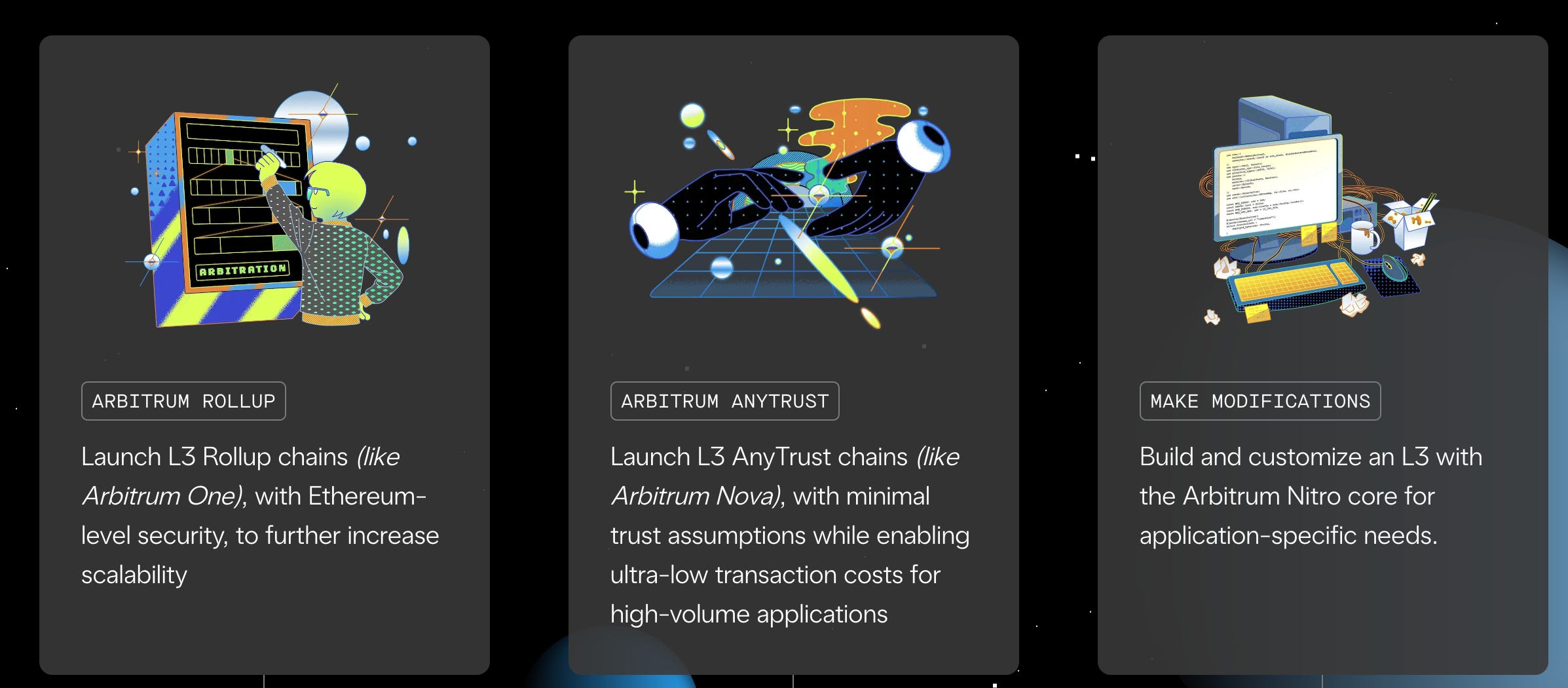
Arbitrum Orbit enables developers to spin up dedicated Layer 2 chains that settle on Arbitrum One or Nova. This framework offers flexible data availability options, allowing teams to choose between Ethereum L1 or cheaper alternatives like Celestia. It is ideal for projects needing isolated environments while inheriting the security of the broader Arbitrum ecosystem.
2. Optimism Superchain for shared sequencing
The Superchain architecture unifies multiple OP Stack chains under a shared sequencer and governance model. This approach drastically reduces operational overhead by standardizing bridge infrastructure and enabling seamless cross-chain messaging. Projects built on this stack benefit from shared liquidity and a unified developer experience, making it the preferred choice for scalable, interconnected applications.

3. Polygon CDK for modular chain deployment
Polygon Chain Development Kit (CDK) provides a modular framework for launching custom rollups quickly. It supports both Optimistic and ZK rollup types, giving teams the flexibility to choose their security model. The CDK integrates with Polygon’s ecosystem tools, ensuring easy onboarding of users and assets. This makes it a strong contender for enterprises seeking rapid, customizable blockchain deployment without reinventing the wheel.
4. Starknet OS for ZK rollup composition
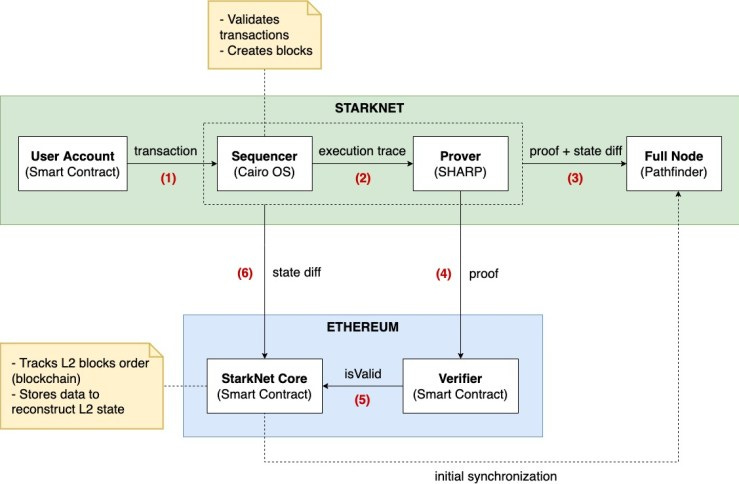
Starknet OS offers a robust operating system for building high-throughput ZK rollups. It leverages STARK proofs for scalability and security, allowing complex computations to be verified efficiently. The framework includes a powerful Cairo programming language, enabling developers to write high-performance smart contracts. This makes it suitable for applications requiring heavy computation and strict data privacy guarantees.
5. Matter Labs ZK Stack for appchains
Matter Labs ZK Stack provides a turnkey solution for deploying dedicated ZK appchains. It simplifies the complex process of setting up zero-knowledge infrastructure, allowing teams to focus on application logic. The stack includes pre-built components for data availability and proof generation, reducing time-to-market significantly. This is an excellent choice for projects that need the privacy and scalability of ZK technology without managing deep infrastructure.
Pick the right fit
Choosing a rollup framework isn't about picking the fastest tool; it's about picking the one that fits your existing infrastructure. The four frameworks handling most new Ethereum L2 launches in 2026—OP Stack, Arbitrum Orbit, Polygon CDK, and ZK Stack—each solve different problems. You need to match your technical constraints to their specific tradeoffs.
Start with your current development environment. If your team already uses Solidity and the EVM, OP Stack or Arbitrum Orbit will feel familiar. They allow you to deploy standard Ethereum code with minimal changes. Switching to a non-EVM chain or a different execution environment adds significant friction and risk.
You must choose between optimistic and zero-knowledge (ZK) validity. Optimistic rollups like OP Stack and Arbitrum Orbit assume transactions are valid unless challenged. They are easier to build and deploy but have a 7-day withdrawal delay. ZK rollups like Polygon CDK and ZK Stack provide instant finality but require complex proof generation and higher computational costs.
The framework dictates how your chain secures its data and settles on Ethereum. OP Stack allows flexible security models, including shared security via EigenLayer. Arbitrum Orbit relies heavily on the Arbitrum DAO. ZK Stack frameworks often require significant upfront investment in proving infrastructure. Ensure the security model aligns with your budget and user expectations for transaction finality.
| Framework | Type | Finality | Best For |
|---|---|---|---|
| OP Stack | Optimistic | 7-day delay | EVM-native teams |
| Arbitrum Orbit | Optimistic | 7-day delay | Existing Arbitrum devs |
| Polygon CDK | ZK/Optimistic | Fast (ZK) / Delayed (Opt) | High-throughput needs |
| ZK Stack | ZK | Instant | Security-critical apps |


As an Amazon Associate, we may earn from qualifying purchases.
Frequently Asked Questions About Rollup Frameworks
What are blockchain rollups? Blockchain rollups are Layer 2 scaling solutions that process transactions off the main Ethereum chain to reduce costs and increase speed. They bundle, or "roll up," many transactions into a single proof and submit it to the mainnet. In 2026, this approach is the standard for deploying modular monoliths and edge-deployed applications that require high throughput without compromising security.
How do rollups work? Rollups operate by executing transactions off-chain and then submitting a compressed data package to Ethereum. Optimistic rollups assume transactions are valid unless challenged, while ZK rollups use cryptographic proofs to verify validity instantly. This separation allows developers to use familiar development environments while leveraging Ethereum’s decentralized security layer for final settlement.
What are ZK Rollups and how do they work? Zero-Knowledge (ZK) rollups generate a cryptographic proof that validates all transactions in a batch before they reach the mainnet. This proof, known as a validity proof, ensures that only correct transactions are recorded. ZK Stack and similar frameworks are gaining traction in 2026 because they offer instant finality and stronger privacy guarantees compared to optimistic approaches.
What are the upcoming upgrades for Ethereum? Ethereum’s roadmap continues to focus on improving scalability and reducing data costs for Layer 2 networks. Upgrades like proto-danksharding (EIP-4844) have already lowered rollup costs, and future enhancements aim to further optimize data availability. These improvements directly impact the performance and economics of rollup frameworks, making them more viable for enterprise-grade applications.
No comments yet. Be the first to share your thoughts!