
Why rollup frameworks matter in 2026
The Layer 2 landscape in 2026 is defined by a clear split between live consumer networks and the underlying development frameworks that power them. When evaluating options for 2026, it is essential to distinguish between a deployed chain like Arbitrum One and the technical stack used to build it, such as Arbitrum Nitro or the OP Stack. This guide focuses on the frameworks—the codebases and toolkits that allow developers to launch secure, scalable rollups.
Choosing the right framework determines your security model, transaction throughput, and ecosystem compatibility. Optimistic rollups, which batch transactions offchain and assume validity, remain the standard for high-throughput applications. ZK-rollups, which generate cryptographic proofs, offer stronger finality but require more complex development cycles. Understanding these architectural differences is the first step in selecting a framework that aligns with your project’s technical requirements and long-term roadmap.
For developers looking to deepen their understanding of these technologies, the following resources provide foundational knowledge on rollup mechanics and implementation strategies.

As an Amazon Associate, we may earn from qualifying purchases.
5 Rollup Frameworks for 2026: Performance, Security, and Ecosystem Analysis
The rollup landscape in 2026 demands rigorous evaluation of execution speed, cryptographic security, and developer tooling maturity. This analysis examines five specific frameworks—Polygon CDK, Arbitrum Stylus, Optimism OP Stack, zkSync Era, and Starknet—based on official documentation and benchmark data.
1. Arbitrum Nitro: The EVM Performance Leader
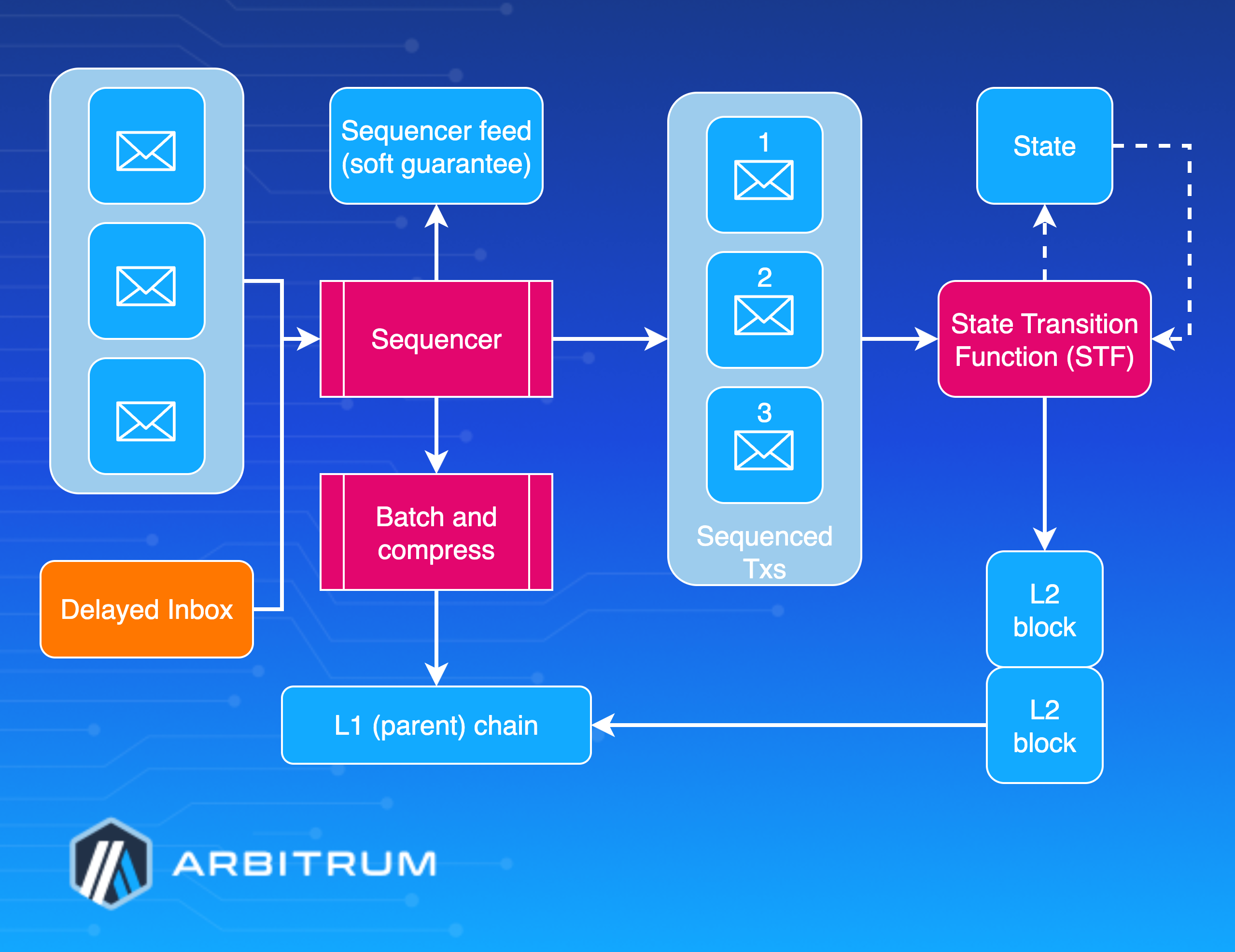
Arbitrum Nitro replaces the legacy JavaScript VM with a WebAssembly-based execution engine, delivering significant throughput gains for EVM-compatible chains. This architecture allows developers to deploy existing Solidity smart contracts with minimal changes while benefiting from lower latency and reduced gas costs. The framework supports a wide ecosystem of dApps, making it a practical choice for scaling Ethereum applications without sacrificing compatibility or security guarantees.
2. OP Stack: The Modular Standard
The OP Stack provides a modular, open-source foundation for building sovereign rollups, popularized by Base and other Superchain projects. It decouples execution, settlement, and data availability layers, allowing teams to customize their chain’s security model and tokenomics. This modularity fosters a shared ecosystem where chains can interoperate seamlessly, reducing development overhead and enabling rapid deployment of customized Layer-2 solutions tailored to specific use cases.
3. zkSync Era: The ZK EVM Contender
zkSync Era introduces a ZK EVM that maintains EVM equivalence while leveraging zero-knowledge proofs for finality. This approach offers strong cryptographic security guarantees and faster transaction finality compared to optimistic rollups. Developers can migrate existing Ethereum smart contracts with little to no modification, benefiting from the scalability and cost-efficiency of ZK technology. The framework is designed to support a robust ecosystem of dApps requiring high throughput and secure settlement.

4. Polygon zkEVM: Enterprise-Grade ZK Scaling
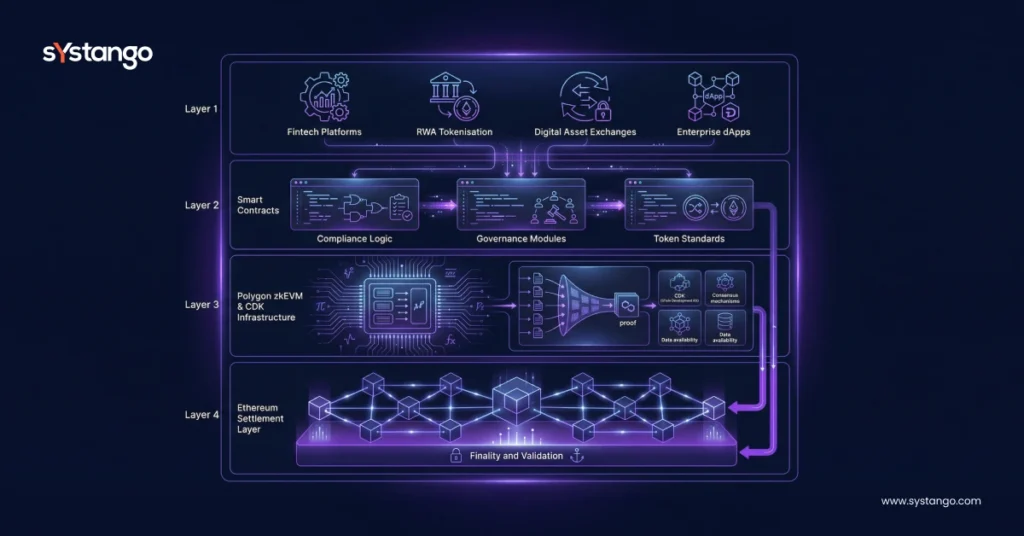
Polygon zkEVM offers a fully EVM-equivalent ZK rollup solution, emphasizing enterprise readiness and seamless migration for existing Ethereum projects. It provides a familiar development environment for Solidity developers while delivering the scalability benefits of zero-knowledge technology. The framework supports a growing ecosystem of dApps and focuses on interoperability within the broader Polygon network, offering a reliable path for businesses seeking to scale their operations with proven infrastructure.
5. Cosmos SDK: Building Independent Appchains
The Cosmos SDK enables developers to build independent, application-specific blockchains (appchains) that communicate via the Inter-Blockchain Communication (IBC) protocol. This framework prioritizes sovereignty and customization, allowing teams to design chains optimized for their specific consensus mechanisms and tokenomics. By leveraging IBC, these appchains can interoperate with the broader Cosmos ecosystem, offering a flexible alternative to shared Layer-2 networks for projects requiring dedicated security and control.

How to choose your rollup framework
Selecting a rollup framework requires balancing security guarantees, transaction throughput, and ecosystem compatibility. There is no single best tool; the right choice depends on your specific architecture and target users.
Prioritize frameworks that align with your risk tolerance. Optimism and Arbitrum offer EVM equivalence and established security tracks, while zkSync and Polygon zkEVM provide stronger cryptographic validity proofs. Starknet offers a distinct Cairo-based stack for specialized needs.
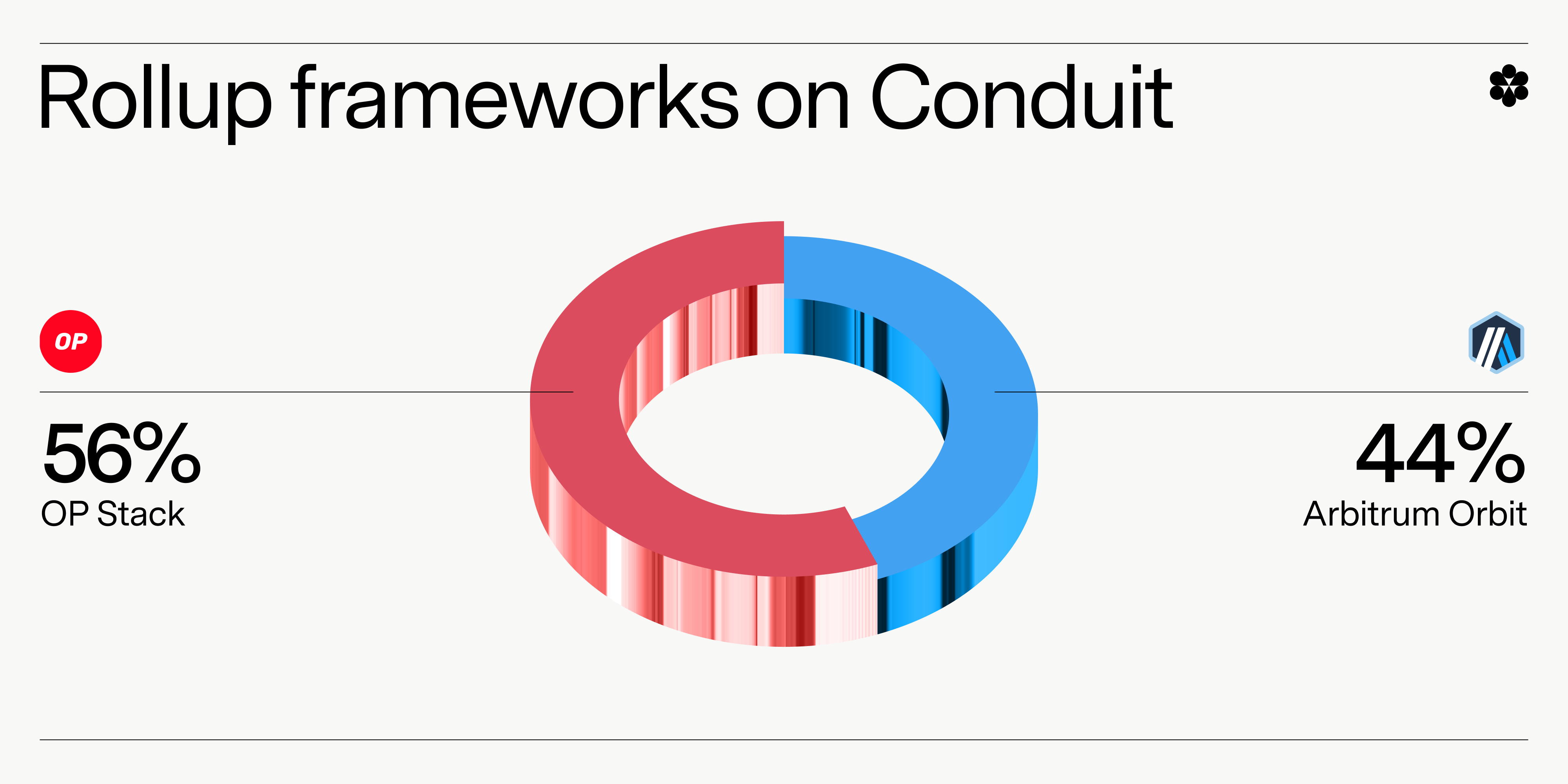
If your team relies on Solidity and existing tooling, Optimism or Arbitrum reduce migration friction. For teams willing to adopt new languages for performance, Starknet or zkSync offer distinct advantages but require retraining and tooling adjustments.
Sequencer centralization is a known trade-off in rollup architecture. Review each framework’s upgrade paths and decentralization roadmaps. As noted in recent community discussions, sequencer maintenance and upgrade timing are critical factors for long-term reliability.


As an Amazon Associate, we may earn from qualifying purchases.
Frequently asked questions about rollup frameworks
Are Optimistic and ZK Rollups ready for production in 2026?
Yes. As of 2026, both optimistic rollups and zero-knowledge (ZK) rollups operate in production with serious transaction volume. The technology has matured to the point where institutional users can rely on them for daily operations, moving past the experimental phase entirely.
What is the main difference between Optimistic and ZK Rollups?
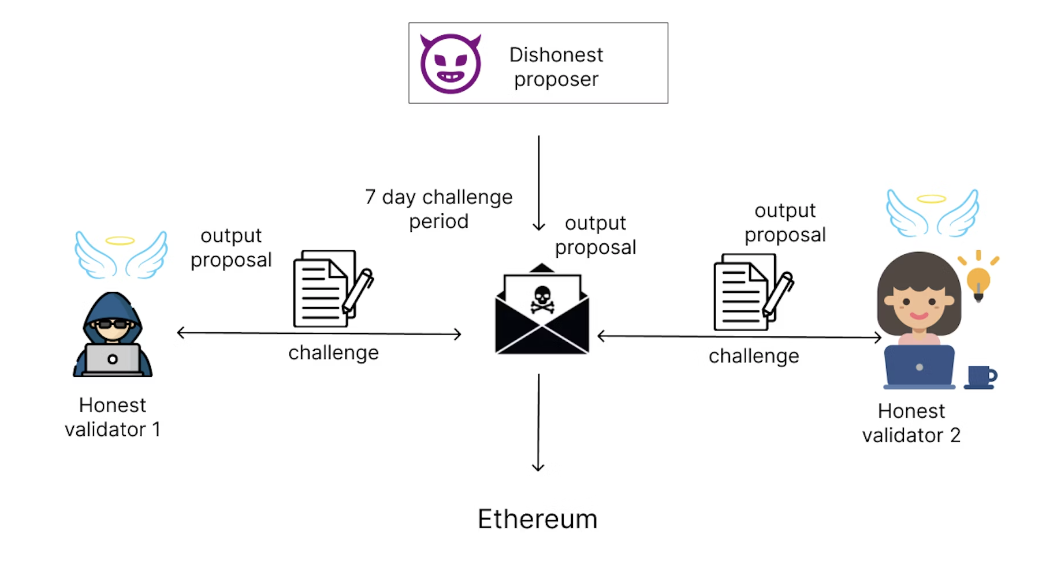
Optimistic rollups assume transactions are valid and post them to Ethereum, relying on a challenge period for security. ZK rollups generate a cryptographic proof (validity proof) for every batch before posting, which allows for faster finality without waiting for a dispute window.
Which framework is better for high-frequency trading?
ZK rollups generally offer better performance for high-frequency trading because they provide immediate finality. Optimistic rollups require a 7-day withdrawal period for security, which can be a bottleneck for traders needing instant access to funds.
Can I migrate my dApp from one framework to another?
Migration depends on the smart contract language. Most frameworks support Solidity, making migration relatively straightforward. However, ZK rollups may require additional setup for proof generation, which often involves specific tooling like Polygon zkEVM or Arbitrum Nitro.
Are there books or tools to help me choose the right rollup?
Choosing the right rollup requires understanding the trade-offs between security, speed, and cost. For developers looking to deepen their knowledge, the following resources provide foundational insights into Layer 2 scaling and rollup architectures.

As an Amazon Associate, we may earn from qualifying purchases.
No comments yet. Be the first to share your thoughts!